
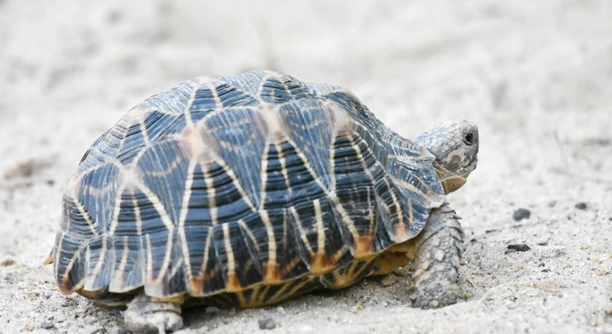
When setting up a turtle aquarium, choosing the right plants can be a challenge. Water plants are essential for creating a healthy environment, but some may be better suited for your turtle’s needs than others.
The best water plants for a turtle aquarium are those that thrive in a turtle’s environment. These plants should be resilient, easy to care for, and able to tolerate the turtle’s activities. Certain plants also help maintain water quality.
Selecting the ideal plants for your turtle aquarium will enhance the ecosystem and create a more enjoyable space for your pet. These plants will support your turtle’s natural behaviors and contribute to a healthier aquarium environment.
Anubias: A Strong Choice for Turtles
Anubias is one of the most reliable plants for turtle aquariums. It thrives in low light and can survive in various water conditions, making it perfect for your turtle tank. Anubias has thick, tough leaves that resist damage from curious turtles. It also grows slowly, so it won’t quickly outgrow your tank. This plant doesn’t require a lot of maintenance, making it ideal for beginner aquarium owners. Its resilience allows it to handle both the occasional nibble from your turtle and the changes in the water environment.
Anubias can be placed on rocks or driftwood rather than being fully submerged. This ensures the plant can grow well without being uprooted by your turtle’s movement. It’s an excellent option for both decorations and water purification, as its leaves filter the water.
For those with turtle aquariums, this plant offers versatility and practicality. Anubias also helps keep your tank’s water clean, supporting the overall ecosystem. Its low-maintenance nature and resilience make it a top contender for any turtle owner’s tank setup.
Water Lettuce: A Floating Delight
Water lettuce is a floating plant that adds beauty and function to a turtle aquarium. It provides shade and hides, offering your turtle a sense of security.
This plant is great for balancing the water conditions in your turtle tank. Water lettuce absorbs excess nutrients and helps keep the water clean. The plant thrives on the surface, so it doesn’t take up much room in the tank. It also produces a natural filtration system, which can benefit the water quality in your turtle’s habitat. Its floating nature ensures that it won’t be easily uprooted by the turtle.
However, water lettuce may need some maintenance to prevent overgrowth. When not controlled, it can quickly cover the entire surface of your tank, blocking out light. Regular pruning helps prevent it from overwhelming your aquarium setup. Its water-filtering properties are especially beneficial in a tank with multiple turtles.
Java Fern: Easy and Durable
Java fern is another plant that works well in turtle aquariums. It’s tough, low-maintenance, and thrives in different conditions. The leaves are sturdy enough to withstand the activity in the tank. Java fern can attach itself to rocks, wood, or even the aquarium glass, making it very versatile.
It grows slowly, meaning it won’t need frequent trimming. This makes it an ideal choice if you want a plant that requires little attention but still provides great benefits. The roots also help with water filtration, improving the overall quality of the tank.
The plant is not only resilient but also aesthetically pleasing. It has lush green foliage that creates a natural and attractive environment for your turtle. Whether you have a small or large aquarium, Java fern fits well and enhances the aesthetic appeal while contributing to the tank’s ecosystem.
Duckweed: A Floating Benefit
Duckweed is another floating plant that is easy to care for. It grows quickly and can provide additional shade and cover for your turtle. While it may need some regular trimming, it’s an affordable way to maintain a healthy tank environment.
This small plant is great for controlling excess nutrients in the water. Duckweed floats on the surface and absorbs the nutrients that can otherwise lead to algae blooms. It’s a simple yet effective way to balance the water in your turtle’s habitat, helping to keep it clean.
It does require a bit of maintenance since it tends to multiply quickly. Regular removal ensures that the plant doesn’t take over the entire surface of the tank. Duckweed’s ability to filter the water makes it a valuable addition to any turtle aquarium.
Hornwort: A Resilient Choice
Hornwort is a hardy plant that works well in turtle tanks. It can grow fully submerged or float freely. Its fast growth helps absorb excess nutrients and keeps the water clear. The plant is virtually indestructible and requires minimal care.
Its ability to grow in low light conditions makes it easy to maintain. Hornwort is a great option for beginners who want a plant that doesn’t require a lot of attention. It can even tolerate changes in water temperature, making it a versatile addition to your turtle’s aquarium.
Water Sprite: A Versatile Plant
Water sprite is a popular plant choice for turtle aquariums. It grows quickly and provides excellent coverage. Its feathery leaves create a lush environment that turtles appreciate. It also offers beneficial hiding spots for your turtle, helping them feel secure.
In addition to being aesthetically pleasing, water sprite works to improve water quality by absorbing excess nutrients. It grows best in moderate light but can adapt to low-light conditions. While it may need occasional trimming, water sprite is easy to care for and adds natural beauty to your tank. It also provides additional oxygen, benefiting the overall health of the aquarium.
Cabomba: A Beautiful Addition
Cabomba is an attractive plant that adds a lot of visual interest to a turtle aquarium. It has delicate, fern-like leaves that grow in dense clusters. This plant does best in well-maintained tanks with regular water changes. Its bright green color contrasts nicely with other plants in the tank.
FAQ
How can I keep my plants safe from my turtle?
Turtles love to explore and often nibble on plants. To prevent damage, consider choosing plants with tougher leaves, such as Anubias or Java fern. These plants are more resistant to being eaten or uprooted. Additionally, anchoring plants to rocks or driftwood can prevent them from floating around too much, making them less accessible for your turtle to pull out. It’s also helpful to provide your turtle with plenty of other activities or food options so they’re not as focused on the plants.
Can I grow plants in a tank with both turtles and fish?
Yes, you can grow plants in a tank with both turtles and fish. However, it’s important to select plants that are hardy enough to withstand the activity of both. Plants like Anubias, Java fern, and Hornwort can thrive in these mixed environments. Some fish may nibble on plants, but most of these options can still manage in a shared tank. It’s also important to ensure that the plants are properly anchored to avoid being uprooted by either the turtles or the fish.
Should I choose floating or submerged plants for my turtle tank?
Both floating and submerged plants can be beneficial in a turtle tank. Floating plants like Water lettuce or Duckweed provide shade and help reduce algae growth by absorbing excess nutrients. Submerged plants like Java fern and Anubias offer more stability and provide hiding spots for turtles. A mix of both types can create a balanced environment, improving water quality and providing the turtles with natural spaces to explore.
How often should I trim the plants in my turtle tank?
Trimming frequency depends on the type of plant and how fast it grows. For example, plants like Duckweed and Water lettuce may need frequent trimming as they grow quickly. Java fern and Anubias grow slowly and typically need less trimming. Regular pruning helps prevent overgrowth, ensuring the plants don’t overwhelm the tank and obstruct the light needed for other plants to thrive. Typically, you should check your plants every few weeks to see if trimming is needed.
Can my turtle eat the plants in the aquarium?
Turtles may nibble on plants, and some species are more plant-focused than others. However, it’s not harmful for your turtle to eat some of the plants, as long as they are non-toxic. Providing a variety of plant types can help distract the turtle and keep them from over-consuming one species. For example, Anubias and Java fern are tough and less appealing to most turtles, while softer plants like Water lettuce are more likely to be eaten.
How do I prevent algae growth in my turtle tank?
Algae can become a problem in turtle tanks, especially since turtles produce waste that adds nutrients to the water. To prevent algae growth, keep the tank clean and change the water regularly. Adding plants like Hornwort, Duckweed, and Water lettuce can also help reduce excess nutrients that encourage algae. You can also install a good filtration system to keep the water clear and maintain a healthy balance of light in the tank, as excessive light can fuel algae growth.
Are there any plants that are toxic to turtles?
Yes, there are a few plants that can be harmful or toxic to turtles. For example, plants like azalea, oleander, and foxglove are toxic to many animals, including turtles. It’s important to research the plants you introduce into your turtle tank and make sure they are safe. Most aquarium plants like Anubias, Java fern, and Cabomba are safe for turtles. Avoid using any plants from outside or garden centers unless you are certain they are non-toxic to your pet.
Can I plant directly in the substrate or should I use pots?
You can plant directly in the substrate or use pots, depending on the plant species and your preference. Substrate planting works well for plants like Cabomba, which have roots that need to anchor. However, many turtle tanks have soft or fine gravel, which can be difficult for plants to take root in. Using pots or placing plants on rocks or driftwood may be easier in some setups. It’s essential to ensure that the plant roots are properly anchored to prevent them from being uprooted by your turtle.
What should I do if my turtle keeps uprooting plants?
If your turtle keeps uprooting plants, try anchoring them in rocks, driftwood, or using pots. Turtles often dig or move around in the tank, which can disturb plants. Placing plants in areas where the turtle is less likely to dig, or choosing plants that don’t require rooting in the substrate, can reduce the issue. Additionally, heavier plants with more substantial root systems are less likely to be uprooted. Offering your turtle other activities or enrichment, such as hiding spots or toys, can also help reduce their interest in the plants.
What are the best plants for low-light turtle tanks?
If your turtle tank has low light, you should choose plants that don’t require intense lighting to grow. Java fern and Anubias are both excellent options for low-light tanks. They are hardy and can grow slowly without much light. Hornwort is also a good choice as it can survive in a variety of conditions, including low light. These plants thrive without the need for extra lighting and still provide excellent benefits to your tank, like water purification and hiding spaces for your turtle.
Final Thoughts
Choosing the right plants for your turtle tank is essential for maintaining a healthy and visually appealing environment. The plants not only enhance the beauty of the tank but also play an important role in improving water quality. Plants like Java fern, Anubias, and Hornwort are easy to care for and can withstand the active nature of turtles. These plants provide shelter and hiding spaces for your turtles, while also helping to absorb excess nutrients, which reduces algae growth. It’s important to select plants that are both durable and safe for your turtle to ensure their long-term health.
Turtles are naturally curious and will often interact with the plants in their tank. Some turtles may nibble on plants, so it’s essential to choose plant species that are tough enough to handle their activity. Plants like Java fern, Hornwort, and Water Sprite are known for their resilience and can survive the occasional nibbling. Additionally, providing a variety of plants ensures that your turtle has enough options to explore. A mix of floating and submerged plants creates a balanced ecosystem, offering your turtle the perfect environment for both relaxation and exploration.
Remember, proper maintenance is key to keeping both the plants and the tank in good condition. Regular water changes and trimming of plants are necessary to prevent overgrowth and maintain a healthy tank. Avoid plants that are toxic to turtles, as some species can be harmful if ingested. By selecting the right plants and maintaining a clean environment, you can create a thriving, healthy aquarium for your turtle that also looks great.

Hello,
If you enjoy the content that we create, please consider saying a "Thank You!" by leaving a tip.
Every little bit helps us continue crafting quality advice that supports the health, happiness, and well-being of pets around the world, for pets of all shapes, sizes, and species.
We really appreciate the kindness and support that you show us!