
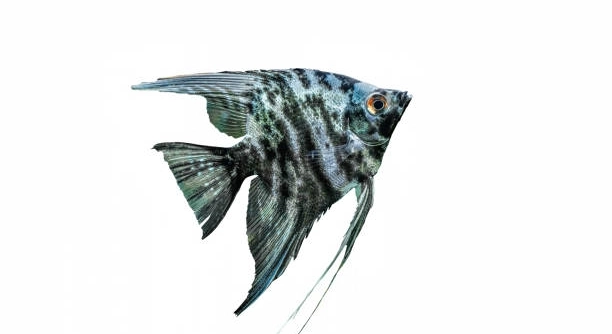
Keeping your angelfish healthy starts with creating the right environment for them. Water parameters play a vital role in their overall well-being, and understanding them is key to successful care.
The seven most important water parameters to maintain for angelfish are temperature, pH, hardness, ammonia, nitrite, nitrate levels, and oxygen levels. Keeping these parameters stable and within optimal ranges ensures your angelfish stay healthy and thrive in their environment.
By managing these water conditions, you can help your angelfish live a long, healthy life.
Temperature: A Crucial Factor for Angelfish Health
Temperature is one of the most important water parameters to consider for angelfish. They thrive in warm water, typically between 76°F and 82°F (24°C to 28°C). Temperatures outside of this range can cause stress, leading to a weakened immune system and increased susceptibility to disease. Angelfish are tropical species, so it’s essential to keep their water consistently warm.
To maintain stable water temperature, use a reliable aquarium heater. Check the water temperature regularly with a thermometer to avoid sudden fluctuations, which can stress your fish. Investing in a heater with an adjustable thermostat is a good choice to maintain a steady temperature.
Rapid changes in temperature can result in illness or even death for angelfish. It’s also important to keep in mind that other factors, like water flow and the placement of the tank in your home, can impact the temperature stability. Keeping the tank in a location away from direct drafts or heaters will help maintain an even environment for your fish.
pH Levels: Balancing Acidity for Healthier Angelfish
pH levels in the water are essential for the overall health of angelfish. They prefer a slightly acidic to neutral pH, ranging from 6.5 to 7.5.
Maintaining a stable pH is important because fluctuating acidity or alkalinity can cause stress, affecting the fish’s ability to digest food and process nutrients. It can also lead to illness over time.
Water Hardness: Finding the Right Balance
Water hardness is another key factor for angelfish health. They prefer moderately soft to slightly hard water, with a range of 3 to 8 dGH (degrees of general hardness). Keeping water hardness within this range helps them maintain proper mineral balance.
Soft water can lead to weak bones, while overly hard water can stress fish by making it difficult for them to absorb nutrients. Using water conditioners or mineral additives can help maintain the right hardness for your angelfish, especially if you have tap water that fluctuates.
Test your water regularly to ensure the hardness is consistent. If you need to adjust it, make gradual changes to avoid shocking your fish. The right hardness helps angelfish feel more at ease, contributing to their overall health.
Ammonia: The Silent Threat
Ammonia is highly toxic to fish, even in low concentrations. Levels should be kept at zero to avoid poisoning your angelfish. Ammonia is produced by fish waste, uneaten food, and decaying plant matter.
A good filtration system and regular water changes can help keep ammonia levels in check. Test your water frequently for ammonia spikes, as these can occur quickly in a tank with high bio-load. Overfeeding your angelfish can also contribute to ammonia buildup.
To reduce ammonia, ensure that your tank is properly cycled. During the cycling process, beneficial bacteria are established to break down harmful toxins. Regular maintenance and proper feeding will help prevent ammonia problems in your tank.
Nitrites: Another Toxic Element to Avoid
Nitrites, like ammonia, are harmful to angelfish even in small amounts. The ideal level is zero. Nitrites are typically found in tanks that are not fully cycled.
Regular water testing can help detect nitrites early. Once detected, a water change is necessary to dilute their concentration. A reliable filtration system will also help prevent nitrites from accumulating.
Proper cycling ensures that beneficial bacteria break down harmful substances. It’s important to monitor nitrites consistently, especially in new tanks. Over time, as the system matures, the nitrite levels will stabilize, keeping your angelfish safe.
Nitrates: Keeping Levels Low
Nitrates are less toxic than ammonia and nitrites, but high levels can still stress your angelfish. Nitrate levels should ideally be under 20 ppm.
The best way to lower nitrate levels is by performing regular water changes. Additionally, using live plants in the tank helps absorb nitrates and keeps the water cleaner. Keep in mind that overfeeding or overstocking the tank can lead to higher nitrate levels.
FAQ
How often should I test my water parameters for angelfish?
Testing water parameters weekly is ideal for angelfish. This ensures that any sudden changes, like fluctuations in pH or ammonia levels, are detected quickly. If you notice any issues, test more frequently until the water stabilizes. Regular tests help prevent potential health problems before they become serious.
Can I use tap water for my angelfish tank?
You can use tap water, but it’s important to treat it before adding it to your tank. Tap water often contains chlorine, chloramine, and heavy metals that can harm fish. Use a water conditioner to neutralize these chemicals. You should also test your tap water for pH, hardness, and ammonia to ensure it’s safe for your angelfish.
How do I maintain the ideal temperature for my angelfish tank?
To maintain a steady temperature, use a high-quality aquarium heater. Place it near the filter for even water distribution. Make sure to check the temperature regularly with a thermometer. Avoid placing the tank in areas with drafts or direct sunlight, as these can cause temperature fluctuations.
Why is my angelfish not eating?
If your angelfish isn’t eating, it could be due to stress, water quality issues, or illness. Start by testing the water parameters and adjusting them if needed. Make sure the food you’re offering is appropriate for their diet. If the problem persists, consult an aquarium professional to check for any diseases.
How can I improve water quality for angelfish?
Regular water changes (about 25% every 1-2 weeks) are crucial for maintaining water quality. Invest in a good filtration system to remove waste and harmful substances. You can also add live plants to help absorb excess nutrients and maintain clean water. Regular testing will help you monitor parameters and make necessary adjustments.
What should I do if my angelfish shows signs of illness?
If your angelfish shows signs of illness, first check the water parameters. Poor water quality is often the cause of stress and illness. If the water is fine, observe your fish for any unusual behavior or physical symptoms. Isolate the affected fish if necessary, and consider using aquarium medications after identifying the issue.
Are there any specific water parameters for breeding angelfish?
For breeding, angelfish prefer slightly acidic water with a pH between 6.5 and 6.8. The temperature should be around 80°F (27°C). Maintain low nitrate and ammonia levels to ensure healthy eggs and fry. A stable, clean environment is crucial for successful breeding and raising the young angelfish.
How do I prevent ammonia spikes in my angelfish tank?
Ammonia spikes can be caused by overfeeding, overcrowding, or poor filtration. To prevent them, don’t overfeed your fish, remove uneaten food promptly, and perform regular water changes. Make sure your filtration system is appropriately sized for your tank’s volume, and check it regularly to ensure it’s functioning correctly.
How can I adjust the hardness of the water for angelfish?
To raise water hardness, you can add crushed coral or limestone to your filter or substrate. To lower it, use water softening products or mix in distilled water. Make changes gradually to avoid shocking your angelfish. Always test the water after making adjustments to ensure it falls within the ideal range for your fish.
What is the best way to keep nitrates low in an angelfish tank?
To keep nitrates low, perform regular water changes, remove uneaten food promptly, and avoid overstocking the tank. Adding live plants can help absorb excess nitrates. If your tank has a lot of fish, consider increasing the frequency of water changes to maintain a healthy environment for your angelfish.
Can I keep other fish with my angelfish?
Angelfish can live with peaceful community fish that are not too small. Avoid aggressive species or very small fish that might be seen as food. Good tank mates include tetras, corydoras, and gouramis. Always make sure the other species’ water requirements are similar to those of angelfish.
How do I handle sudden changes in water temperature?
If the temperature drops suddenly, you can raise it gradually using an aquarium heater. Never make drastic changes, as this can shock the fish. If the temperature is rising too quickly, turn down the heater or place ice cubes in a sealed bag in the water to lower it slowly.
Why is my angelfish’s color fading?
Color fading in angelfish can be caused by stress, poor water quality, or insufficient nutrition. Check your water parameters and ensure that the fish is getting a varied and balanced diet. If the problem persists, consider moving the angelfish to a quieter area to reduce stress and observe any changes.
What is the role of oxygen levels in my angelfish tank?
Angelfish need sufficient oxygen to thrive. Poor oxygenation can lead to stressed fish and health problems. Ensure that your tank has proper surface agitation to allow oxygen exchange. A good filtration system also helps oxygenate the water. Test oxygen levels if you notice your angelfish swimming near the surface or gasping.
Should I quarantine new fish before adding them to my angelfish tank?
Yes, quarantining new fish is highly recommended to prevent the spread of diseases. A separate quarantine tank gives you the chance to monitor the new fish for signs of illness before introducing them to the main tank. This reduces the risk of infecting your healthy angelfish.
What is the best filtration system for an angelfish tank?
The best filtration system for an angelfish tank is one that provides both mechanical and biological filtration. A hang-on-back (HOB) filter or a canister filter are both good choices. Make sure the filter is not too strong, as angelfish prefer calm water. Regular maintenance is essential to keep the filter working efficiently.
How do I deal with algae growth in my angelfish tank?
To manage algae growth, reduce excess light and limit the nutrients available to algae by performing regular water changes. Adding algae-eating fish or invertebrates, like snails, can help control algae. Be cautious with algae treatments, as some may harm your angelfish if used improperly.
Final Thoughts
Maintaining the right water parameters for your angelfish is essential to their health and well-being. The key to success is consistency in monitoring and adjusting the water quality regularly. Testing the water often will help you catch any issues before they become serious. By paying attention to the basic factors—like pH, ammonia, nitrites, and nitrates—you can create a stable and safe environment for your angelfish to thrive. It’s not just about the water itself but also about how you manage the overall tank conditions, such as feeding habits and tank cleanliness.
Water changes, a good filtration system, and proper temperature control are fundamental steps to ensuring a healthy environment. With these measures in place, your angelfish will be able to live in conditions that closely resemble their natural habitat. Don’t forget to pay attention to other factors like tank size and stocking levels, as overcrowding or poor water circulation can lead to problems. Ensuring the water stays balanced and oxygenated is a continuous process that needs regular attention to detail.
Ultimately, the health of your angelfish depends on the quality of care you provide. A stable, clean tank with optimal water parameters will help prevent many of the common issues angelfish face. By monitoring their environment, you’ll not only be giving your angelfish the best chance to thrive but also enjoy watching them grow healthy and vibrant. Regular testing and maintenance are the keys to achieving long-term success in keeping these beautiful fish.

Hello,
If you enjoy the content that we create, please consider saying a "Thank You!" by leaving a tip.
Every little bit helps us continue crafting quality advice that supports the health, happiness, and well-being of pets around the world, for pets of all shapes, sizes, and species.
We really appreciate the kindness and support that you show us!