
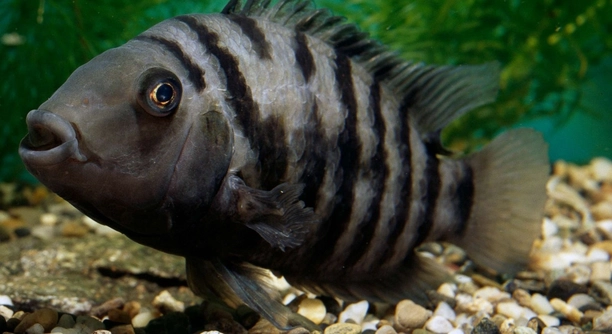
African cichlids are colorful and lively fish that many hobbyists enjoy keeping. To keep them healthy, it is important to maintain the right water conditions in their tank. Proper water parameters help these fish thrive and show their best colors.
The best water parameters for African cichlids include a pH range of 7.8 to 8.6, water hardness between 10 and 20 dGH, and a temperature of 75 to 82°F. These conditions mimic their natural habitat and support their well-being.
Knowing the ideal water conditions will help you care for your cichlids more effectively. This article will guide you through the key factors to maintain a healthy environment for your fish.
pH Levels for African Cichlids
Maintaining the correct pH level is crucial for African cichlids. These fish come from alkaline lakes, so they thrive best in water with a pH between 7.8 and 8.6. If the pH drops below this range, the fish can become stressed, which weakens their immune system and makes them prone to illness. Regularly testing your tank’s water with a reliable pH test kit helps ensure stability. Sudden changes in pH should be avoided, as they can shock your fish. Using natural methods like crushed coral or limestone in the substrate can help maintain alkaline water. Adjusting pH slowly over several days is safer than quick fixes. Keeping the water stable allows your cichlids to show their natural behavior and vibrant colors.
A stable alkaline pH mimics the natural habitat of African cichlids. This helps keep them healthy and reduces stress.
Proper pH control supports fish health, breeding success, and overall tank balance. It also prevents harmful bacteria and algae growth that prefer acidic water. Ensuring consistent pH protects both your fish and the beneficial microorganisms in your tank. Testing weekly and making small adjustments helps keep your aquarium environment comfortable for your cichlids.
Temperature Requirements
African cichlids do best in water temperatures between 75°F and 82°F. Keeping the temperature steady is important, as fluctuations can cause stress and illness. Use a reliable heater with a thermostat to maintain this range. Avoid placing the tank near windows or vents where temperature swings may occur.
Temperature directly influences fish metabolism and immune function. Within the ideal range, cichlids are more active and healthy.
If the water is too cold, cichlids may become lethargic and stop eating. If it is too warm, oxygen levels can drop, making it harder for fish to breathe. Consistent warmth supports their digestive system and immune responses. In addition, breeding is more successful in stable temperatures. Monitoring with a thermometer ensures you catch changes early. Heating devices with built-in thermostats are recommended for better control. A well-maintained temperature also reduces stress and helps prevent diseases, making your tank a comfortable home for your fish.
Water Hardness
Water hardness for African cichlids should be between 10 and 20 dGH. This range provides the minerals they need to stay healthy. Hard water also helps maintain stable pH levels.
Hard water contains calcium and magnesium, which support the fish’s bone and scale development. It also prevents rapid pH swings, which can stress the fish. Using crushed coral or mineral additives helps raise hardness if your tap water is too soft. Testing water hardness regularly ensures it stays within the ideal range. Keeping hardness steady promotes a balanced tank environment, reducing health problems and encouraging active behavior.
If the hardness is too low, cichlids may have difficulty regulating their bodily functions. Too high hardness, however, can cause stress and reduce oxygen levels. Maintaining moderate hardness supports the natural environment African cichlids need to thrive and breed successfully.
Ammonia and Nitrite Levels
Ammonia and nitrite levels in the aquarium must always be at zero. These compounds are toxic to fish, even in small amounts. Proper filtration and regular water changes keep these levels safe.
Ammonia forms from fish waste and leftover food. Beneficial bacteria convert ammonia into nitrite, which is also harmful. Another group of bacteria then changes nitrite into nitrate, which is less dangerous but still needs to be controlled. Testing your water weekly is essential to detect any buildup early. Cycling your tank before adding fish ensures these bacteria are established and able to handle the waste. If ammonia or nitrite appear, immediate water changes and filter maintenance are needed to protect your cichlids.
Ignoring ammonia and nitrite buildup can quickly lead to fish stress, illness, and death. Keeping these toxins at zero helps your cichlids live longer and healthier lives. It also supports a cleaner, more stable tank environment for all aquatic life.
Nitrate Levels
Nitrate should be kept below 20 ppm in an African cichlid tank. High nitrate can cause stress and weaken fish over time. Regular water changes help control nitrate buildup effectively.
Excess nitrate encourages algae growth and can reduce oxygen levels. Maintaining low nitrate keeps the environment healthy and clear.
Oxygen Levels
Adequate oxygen is essential for cichlids to breathe and stay active. Proper aeration through filters or air stones ensures enough oxygen dissolves in the water. Without sufficient oxygen, fish may gasp at the surface or become lethargic.
Tank Cleanliness
Keeping the tank clean reduces harmful waste buildup. Regular gravel vacuuming and filter maintenance help maintain water quality. Clean tanks prevent disease and keep cichlids healthy and vibrant.
FAQ
What is the ideal pH level for African cichlids?
African cichlids thrive best in water with a pH between 7.8 and 8.6. This alkaline range matches their natural habitat and supports their health. Keeping the pH stable within this range reduces stress and helps prevent diseases.
How often should I test water parameters?
Testing water parameters at least once a week is recommended. Regular checks allow you to catch changes early and adjust conditions before problems develop. Consistent monitoring keeps your cichlids comfortable and healthy.
Can I keep African cichlids in soft water?
Soft water is not ideal for African cichlids since they need moderate to hard water, usually between 10 and 20 dGH. Soft water can cause health issues and make it difficult to maintain stable pH levels. Using mineral additives or crushed coral can help increase hardness if your water is too soft.
What temperature should I keep for African cichlids?
The best temperature range is 75°F to 82°F. Maintaining a stable temperature within this range supports metabolism, immune function, and breeding success. Fluctuations or extremes outside this range may stress your fish and increase the risk of illness.
How do I control ammonia and nitrite levels?
Ammonia and nitrite should always be kept at zero. Use a properly cycled tank with beneficial bacteria that convert these toxic substances into less harmful nitrate. Regular water changes and filter cleaning also prevent buildup. Testing these levels weekly is important.
Is nitrate harmful to African cichlids?
High nitrate levels can stress fish and lead to poor health. It should be kept below 20 ppm through regular water changes and tank maintenance. Excess nitrate also promotes algae growth, which can affect water clarity and oxygen levels.
What are signs of low oxygen in the tank?
If oxygen levels are low, fish may gasp at the surface, show sluggish behavior, or lose appetite. Proper aeration from filters or air stones keeps oxygen dissolved in the water, supporting fish respiration and activity.
How often should I clean the tank?
Cleaning the tank regularly is essential. Perform partial water changes weekly or biweekly, vacuum the substrate to remove debris, and maintain your filter to ensure good water quality. A clean tank reduces disease risk and keeps fish vibrant.
Can sudden changes in water parameters harm African cichlids?
Yes, sudden changes in pH, temperature, or hardness can shock fish, causing stress or even death. Always make adjustments slowly over several days to allow your cichlids to adapt safely.
Are African cichlids sensitive to water changes?
African cichlids tolerate water changes well if done correctly. Changing 20-30% of the water weekly keeps conditions stable. Use water conditioners to remove chlorine and match the temperature of the new water to the tank’s water.
What happens if the water is too hard?
Water that is too hard may cause stress and reduce oxygen availability. It can also affect fish metabolism and behavior. Keeping hardness in the recommended range supports health and comfort for your cichlids.
How do I maintain stable water parameters?
Use tested methods like adding crushed coral to substrate, regular water testing, stable heater settings, and consistent maintenance routines. Avoid overfeeding and overcrowding, as they can cause parameter fluctuations.
Can African cichlids live in community tanks?
African cichlids are territorial and aggressive, especially in smaller tanks. They may not mix well with peaceful species. Choosing compatible tank mates and providing plenty of hiding spaces helps reduce aggression.
What is the best way to cycle a new tank for African cichlids?
Cycling involves establishing beneficial bacteria that break down ammonia and nitrite. This can take 4 to 6 weeks using fishless cycling methods with ammonia sources or adding hardy fish to start bacteria growth.
How important is lighting for African cichlids?
Lighting affects fish behavior and plant growth if you have live plants. Moderate lighting highlights the vibrant colors of cichlids and helps regulate their natural day-night cycle. Avoid overly bright lights that can stress the fish.
Can water additives harm African cichlids?
Some additives may alter water chemistry or introduce toxins. Use products specifically designed for cichlids and follow instructions carefully. Avoid frequent or unnecessary chemical treatments to maintain a natural, stable environment.
These questions cover essential care aspects for African cichlids, helping you maintain a healthy tank and enjoy these beautiful fish for years.
Final Thoughts
Maintaining the right water parameters is essential for keeping African cichlids healthy and happy. These fish come from specific environments that have unique water conditions. Matching these conditions in your tank helps the cichlids thrive, show their natural colors, and behave normally. Parameters like pH, water hardness, temperature, and clean water free of harmful chemicals are all important. Paying close attention to these factors and testing regularly can prevent many common health problems. When the water conditions are stable and appropriate, your fish will live longer and require less medical care.
It’s easy to overlook how much water quality affects your fish until problems arise. Stress from poor water parameters can weaken cichlids’ immune systems and make them more prone to illness. Even small changes in pH or temperature can cause discomfort. Keeping ammonia and nitrite at zero, controlling nitrate levels, and providing good oxygenation also plays a big role in their well-being. Simple habits like weekly water tests, proper filtration, and regular partial water changes go a long way. These efforts create a clean, balanced environment where your African cichlids can flourish.
Taking care of African cichlids requires some patience and consistency, but the rewards are worth it. When you maintain the ideal water parameters, you not only protect the fish’s health but also enjoy their bright colors and lively behavior. The right water conditions support natural breeding and reduce aggression in the tank. With good care, your aquarium becomes a peaceful and beautiful home for your cichlids. Staying informed and attentive to water quality ensures that your fish will remain strong and vibrant for a long time.

Hello,
If you enjoy the content that we create, please consider saying a "Thank You!" by leaving a tip.
Every little bit helps us continue crafting quality advice that supports the health, happiness, and well-being of pets around the world, for pets of all shapes, sizes, and species.
We really appreciate the kindness and support that you show us!