
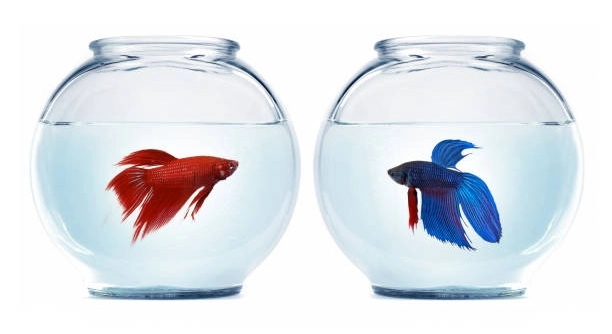
When it comes to Betta fish, the right water flow can significantly impact their health and happiness. Betta fish are sensitive to water conditions, and understanding the ideal flow level can make a difference in their well-being.
The optimal water flow for Betta fish is generally calm and gentle. Strong currents can stress them out, leading to health issues. A low to moderate water flow, with proper filtration, creates a more comfortable and natural environment for them.
Finding the ideal water flow for Betta fish is essential for their comfort and health. This guide will help you determine the best flow levels and how to create an ideal aquatic environment for your Betta.
Why Water Flow Matters for Betta Fish
Betta fish are naturally found in slow-moving waters like rice paddies and shallow ponds, so they thrive in calm environments. Excessively strong water flow can stress them, leading to issues such as exhaustion or difficulty swimming. Betta fish often struggle with navigating strong currents, which may result in them hiding or even avoiding certain areas of the tank. Without the right water flow, Betta fish might also stop eating or show signs of physical stress like faded colors and loss of appetite. A stable, gentle current allows them to move freely and engage more naturally with their surroundings.
For optimal health, it’s essential to ensure the flow in your Betta’s tank mimics their natural habitat. A gentle filter is key to keeping the water clean without creating a strong current.
Choosing the right filter with adjustable flow is crucial to achieving the proper water balance. It provides both water circulation and filtration while maintaining a comfortable environment.
How to Adjust Water Flow for Betta Fish
Creating the perfect water flow isn’t difficult. Start by selecting an aquarium filter with adjustable flow settings.
To adjust water flow, start by testing the filter at its lowest setting. A sponge filter can be a great option for reducing current while still keeping the water clean. If you use a power filter, placing a diffuser or baffle can further slow down the current. Keep the filter near the corner of the tank, where Betta fish often like to retreat from strong currents. Additionally, incorporating live plants can help absorb some of the flow while giving your Betta natural hiding spots. This will create a peaceful habitat, allowing your Betta fish to swim freely, explore, and feel secure.
By adjusting your aquarium equipment properly, you can create an environment that feels safe and natural for your Betta. With some patience and trial, your Betta will adapt and thrive in their new home.
How Strong Current Affects Betta Fish
A strong current in the aquarium can cause stress and prevent your Betta from swimming comfortably. They are not built for fast-moving water and can become fatigued trying to swim against it. In some cases, this may even lead to physical strain and injuries.
Betta fish, being slow swimmers, often struggle with currents that are too strong. This stress can lead to a decrease in appetite, color fading, or general lethargy. Excessive water flow forces Betta fish to spend more energy fighting the current than they would naturally, affecting their overall health. It is important to monitor how your Betta reacts to the flow and make adjustments to reduce the stress.
To mitigate the effects, you can position your filter near the tank’s edge or use a baffle to redirect the current. This will ensure a calmer environment where your Betta can move freely without being constantly pushed by the water flow.
Signs Your Betta Fish Is Struggling with the Current
If your Betta fish is constantly hiding or avoiding certain areas of the tank, it may be reacting to the current. Look for signs of stress such as faded colors or unusual swimming patterns.
One clear sign is if your Betta is constantly swimming in one spot, not exploring the tank. Betta fish are naturally curious and will often explore their surroundings, but strong currents prevent them from doing so. Another sign is when your Betta starts swimming erratically or near the surface where the water is calmer. If you notice these behaviors, it’s time to adjust the water flow. Keep in mind that Betta fish thrive in calm waters, and any signs of stress or unusual behavior often point to an issue with water flow.
Best Filter Types for Betta Fish
Sponge filters are the best option for Betta fish. They provide gentle filtration without disturbing the water too much, creating a calm environment. These filters are perfect for smaller tanks and can also help oxygenate the water.
Sponge filters are easy to use and maintain. They don’t create strong currents, making them ideal for Betta fish. Another option is an adjustable power filter, where you can control the water flow. Be sure to place the filter in a corner where the water flow won’t be as strong.
Adjusting Water Flow in Smaller Tanks
In smaller tanks, water flow can be even more challenging. Smaller spaces can amplify the current from filters, making it important to monitor the situation carefully.
For smaller Betta tanks, ensure that you choose the smallest power filter available, or go with a sponge filter. Placing decorations or plants near the filter can also help slow the current, providing your Betta with areas to retreat when needed. Creating a balance of water flow is essential for a peaceful and healthy environment.
Using Tank Decorations to Block Strong Current
Placing tank decorations can be an effective way to reduce the impact of strong water flow. You can strategically arrange rocks, plants, or driftwood to break the current.
Adding live plants to your tank not only provides natural hiding places for your Betta but also absorbs some of the water flow. Aquatic plants, like Java Ferns or Anubias, are particularly useful for this. They create a more natural environment, giving your Betta a safe place to rest away from the current. This also keeps the water cleaner without sacrificing your Betta’s comfort.
FAQ
What is the ideal water flow for Betta fish?
Betta fish prefer calm water with minimal current. The ideal water flow for Betta fish should be gentle, mimicking the slow-moving streams and shallow waters of their natural habitat. Too strong a current can stress your Betta, making it difficult for them to swim naturally or feel secure. A low to moderate flow ensures they can swim comfortably and explore their environment without struggling against strong currents.
How do I know if the current is too strong for my Betta fish?
If your Betta fish seems to hide often, struggles to swim, or stays in one place, the current might be too strong. Look for signs such as swimming against the current, staying near the tank’s surface, or showing signs of stress like fading colors. If your Betta is avoiding certain areas of the tank, this could indicate that the flow is uncomfortable for them.
Can I use a regular filter for my Betta tank?
Using a regular filter is possible, but it needs to be adjustable to control the flow. Most standard filters are designed to create a strong current, which can stress Betta fish. Choose a filter that allows you to reduce the flow or opt for a sponge filter that provides gentle filtration without disturbing the water too much. A sponge filter is particularly useful for Betta tanks, as it ensures both water circulation and gentle filtration.
How do I adjust water flow for Betta fish in my tank?
To adjust water flow, first check your filter’s settings. If it’s too strong, you can reduce the flow rate or add a baffle to deflect the water and slow it down. For sponge filters, they are already gentle enough for Betta fish, but you can use a lower-rated filter for smaller tanks. Positioning decorations like plants or rocks near the filter also helps diffuse the flow and create areas with calmer water.
What kind of filter is best for a Betta tank?
Sponge filters are the best option for Betta tanks because they provide gentle water flow and efficient filtration without creating strong currents. These filters are particularly useful in small tanks where strong currents can be more challenging. For larger tanks, an adjustable power filter may be suitable, but it’s important to ensure the flow is set to a low setting to avoid stressing your Betta.
Can Betta fish live in tanks with strong currents?
Betta fish can survive in tanks with strong currents, but it is not ideal for their health. Strong currents can cause stress, exhaustion, and even damage their fins. Betta fish are not strong swimmers and prefer calm waters. A tank with a gentle water flow will encourage better swimming, reduce stress, and keep your Betta healthier.
How do I know if my Betta is stressed by the water flow?
Signs of stress in Betta fish due to strong water flow include swimming erratically, staying in one spot, or swimming against the current. If your Betta is frequently hiding or avoiding certain parts of the tank, it could be due to discomfort caused by the water flow. Other stress indicators include faded colors, loss of appetite, or inactivity.
Can Betta fish tolerate a filter with adjustable flow?
Yes, Betta fish can tolerate a filter with adjustable flow, as long as the water flow is kept low to moderate. Filters with adjustable flow settings allow you to customize the current in the tank to ensure it suits your Betta’s needs. Be mindful of the setting you choose, as Betta fish prefer calm waters and may get stressed if the flow is too strong.
What type of decorations can help block strong water flow?
Tank decorations like rocks, driftwood, and live plants are useful for blocking strong water flow. Placing these items near the filter helps break up the current and creates pockets of calm water where your Betta can swim freely. Live plants, such as Java Ferns or Anubias, not only help slow the flow but also provide hiding spots for your Betta. These decorations can enhance your Betta’s environment and improve their overall comfort.
How does water flow affect Betta fish behavior?
Water flow has a direct impact on Betta fish behavior. Strong currents can make Betta fish more lethargic and less inclined to explore their environment. If the water flow is too intense, Betta fish may avoid swimming altogether, resulting in poor appetite and less interaction with their surroundings. In contrast, calm water flow encourages natural swimming patterns, curiosity, and a more active and healthy Betta.
Can I use a filter with a Betta fish and other tank mates?
Yes, you can use a filter in a Betta tank with other fish, but you need to ensure the water flow is suitable for all tank mates. If your Betta shares a tank with species that prefer stronger currents, such as some types of tetras, you may need to find a balance by adjusting the flow. Using an adjustable filter or a sponge filter will help maintain calm conditions for your Betta while ensuring the water is clean for other fish.
How do live plants help with water flow in Betta tanks?
Live plants can be very helpful in moderating water flow in a Betta tank. Plants like Java Moss, Anubias, and Java Ferns not only provide a natural aesthetic but also help slow down the current. Their leaves and stems act as barriers that diffuse the flow, allowing your Betta to move around the tank more easily. Plants also absorb nutrients, keeping the water cleaner without increasing flow speed.
What’s the role of a water baffle in a Betta tank?
A water baffle is an accessory used to redirect or block the water flow created by a filter. It’s particularly useful in reducing the strength of the current for Betta fish. By placing the baffle on the filter outlet, you can slow down the flow and direct it in a way that prevents disturbing the water too much. This creates a more comfortable environment for your Betta to thrive in.
Final Thoughts
Creating the right water flow environment for your Betta fish is essential to their well-being. Betta fish thrive in calm waters, and ensuring that their tank has the proper flow will help reduce stress and promote natural behaviors. Too much current can make them anxious, which may lead to physical and mental stress. Understanding their natural habitat, which consists of slow-moving waters, can guide you in creating a space that best supports their needs.
The best way to manage water flow in a Betta tank is by using a filter that offers adjustable flow or opting for a sponge filter. Sponge filters are gentle and provide both filtration and water movement without overwhelming your Betta. Additionally, adding tank decorations such as plants, rocks, and driftwood can help break up the water flow and provide your Betta with calmer areas to swim. Creating a balance between water filtration and water movement is key to making sure your Betta feels secure and comfortable in its environment.
In conclusion, maintaining the right water flow is crucial for keeping your Betta fish healthy and happy. Regular observation of their behavior can help you gauge whether the current is too strong or too weak for them. With proper care and attention to water flow, you can ensure your Betta enjoys a stress-free and comfortable environment, which will contribute to their overall health and longevity.

Hello,
If you enjoy the content that we create, please consider saying a "Thank You!" by leaving a tip.
Every little bit helps us continue crafting quality advice that supports the health, happiness, and well-being of pets around the world, for pets of all shapes, sizes, and species.
We really appreciate the kindness and support that you show us!