
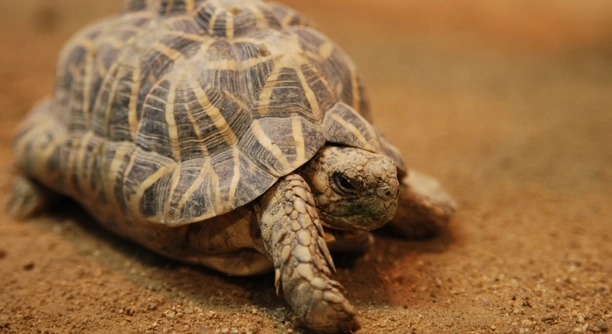
Turtles need proper lighting to stay healthy, and UVB bulbs are essential for their well-being. Choosing the right one can be a challenge, but it’s important to find the best fit for your turtle’s needs.
UVB bulbs are crucial for turtles as they help them synthesize vitamin D3, which is vital for calcium absorption and bone health. The right UVB bulb ensures your turtle gets the necessary UV rays for a healthy life.
Understanding which bulbs are best for your turtle’s habitat can make a big difference in its overall health. Let’s explore some of the top UVB bulbs available to ensure your turtle gets the best care.
Importance of UVB Lighting for Turtles
Proper UVB lighting is essential for a turtle’s health, as it allows them to produce vitamin D3, which is crucial for calcium absorption. Without adequate UVB exposure, turtles can suffer from shell deformities, weak bones, and other health problems. UVB light also supports their immune system and encourages natural behavior.
Choosing the right UVB bulb ensures your turtle thrives. Without it, your pet could face serious issues, affecting their overall well-being.
UVB bulbs mimic natural sunlight, and there are different types depending on the needs of your turtle. Some bulbs provide higher UVB levels, while others offer a more balanced spectrum. A good UVB bulb ensures that your turtle gets the proper exposure without causing stress or harm. This is why selecting a reliable UVB bulb is so important to keep your turtle active and healthy in their enclosure.
Types of UVB Bulbs Available
UVB bulbs come in various forms, such as fluorescent and mercury vapor bulbs.
Fluorescent UVB bulbs are a common choice, providing a consistent source of UVB light. They come in different strengths, which makes it easy to match the bulb with your turtle’s specific needs. Mercury vapor bulbs are another option, offering both UVB and heat. These bulbs are perfect for turtles that require warmth as well as UVB exposure.
When selecting a UVB bulb, consider the size of your turtle’s enclosure, their species, and the level of UVB required. The wattage and the distance of the bulb from the turtle’s basking area are other factors to keep in mind. A well-chosen bulb can improve your turtle’s health significantly, ensuring they thrive in their environment.
Choosing the Right Wattage for Your UVB Bulb
Wattage plays a crucial role in the effectiveness of a UVB bulb. Higher wattage bulbs produce stronger UVB rays, but they also emit more heat. It’s important to find a balance to suit your turtle’s needs.
When selecting wattage, consider the size of the enclosure. Smaller tanks may need lower wattage, while larger tanks require higher wattage to ensure proper UVB exposure. Too much heat can stress your turtle, while too little UVB exposure can lead to health issues. Opt for bulbs designed specifically for reptiles to ensure they provide the correct UVB intensity for your turtle.
If you’re unsure about the wattage, start with a medium wattage bulb, and monitor your turtle’s behavior and health. Adjust the wattage as needed based on their comfort and activity levels. By getting the wattage right, you can provide the best environment for your turtle’s health and vitality.
Duration of UVB Exposure
Turtles need consistent UVB exposure, but the duration varies depending on the species. Some turtles need longer periods of UVB light, while others may require less.
Typically, your turtle should have access to UVB light for about 10-12 hours each day. It mimics the natural daylight cycle, promoting healthy vitamin D3 production. If the UVB bulb is on too long, your turtle may get stressed, while insufficient exposure can lead to calcium deficiencies and poor shell development.
Make sure to turn off the UVB bulb at night to mimic the natural light cycle. You can use timers for consistency, making sure your turtle receives the right amount of UVB exposure daily.
UVB Bulb Placement
The placement of the UVB bulb in your turtle’s enclosure is crucial for effectiveness. Ideally, the bulb should be positioned above the basking spot, so your turtle can receive direct exposure.
Ensure the bulb is not too close, as it may cause overheating. Place it at a distance of 6-12 inches above the basking area. This distance allows the UVB rays to reach your turtle without risking burns or excessive heat. Regularly check the bulb’s distance from the basking spot to maintain proper UVB intensity and prevent any health issues.
Replacing Your UVB Bulb
UVB bulbs lose their effectiveness over time, even if they still produce light. They need to be replaced regularly to maintain proper UVB levels for your turtle.
Most UVB bulbs lose their UVB output after about 6-12 months, even if they continue to light up. It’s essential to track when the bulb was installed and replace it on schedule. You can use a UVB meter to check the intensity, but it’s easier to replace the bulb within the recommended timeframe to ensure your turtle gets the proper UVB exposure.
Considerations for Turtle Species
Different turtle species have varying UVB needs. Aquatic turtles may require more focused UVB light for specific basking spots.
Know your turtle’s species to better understand its UVB needs. Some species thrive with higher UVB exposure, while others may need lower levels. Always adjust the lighting setup to fit the specific requirements of your turtle’s species for the best health outcomes.
FAQ
How do I know if my turtle is getting enough UVB light?
Turtles that aren’t getting enough UVB light may show signs of poor health, including a weakened shell, sluggishness, or abnormal growth. If your turtle isn’t basking as much or seems lethargic, it might not be getting the right amount of UVB exposure. Healthy turtles are usually active and spend time basking under the UVB light. You can also monitor your turtle’s shell to see if it’s softening, which could indicate a lack of calcium absorption due to insufficient UVB light.
How long does a UVB bulb last for turtles?
UVB bulbs typically last between 6 to 12 months before they lose their effectiveness, even if they still emit visible light. Unlike regular light bulbs, UVB bulbs gradually lose their UVB output, so it’s important to replace them within that time frame. Keeping track of the installation date can help you stay on top of replacement schedules. It’s better to replace the bulb a little early than risk exposing your turtle to insufficient UVB.
Can I use a regular light bulb instead of a UVB bulb for my turtle?
No, regular light bulbs do not provide the necessary UVB rays that turtles need. Standard bulbs only emit visible light, which doesn’t help turtles with their vitamin D3 production and calcium absorption. Only UVB-specific bulbs can provide the UV rays essential for their health. Make sure to use bulbs specifically designed for reptiles to ensure your turtle gets the proper UVB exposure.
What is the difference between UVB and UVA lighting for turtles?
UVB light helps turtles produce vitamin D3, which is essential for calcium absorption and healthy shell development. UVA light, on the other hand, is not as important for calcium metabolism but still plays a role in promoting natural behaviors like basking and foraging. While UVB lighting is critical for your turtle’s health, a balanced lighting setup that includes both UVB and UVA bulbs will help keep your turtle happy and active.
Do I need both heat and UVB lights for my turtle?
Yes, both are important. Turtles need a heat source to regulate their body temperature, and they also need UVB light to produce vitamin D3 and absorb calcium. These two light types serve different purposes: the heat light helps your turtle bask and stay warm, while the UVB light is crucial for their overall health. You can find combined bulbs that offer both heat and UVB, but it’s essential to ensure the setup works well for your turtle’s habitat.
How far should the UVB bulb be from my turtle?
The UVB bulb should be placed at a safe distance from the basking area—typically 6 to 12 inches. This distance ensures that your turtle gets the right amount of UVB exposure without being too close to the heat source, which can cause overheating. If the bulb is too far away, your turtle may not get enough UVB light, while too close may result in excessive heat. Regularly check the distance to ensure your turtle gets optimal UVB rays.
Can UVB light cause harm to my turtle?
While UVB light is essential for your turtle’s health, too much exposure can be harmful. Overexposure to UVB rays can cause burns or stress. It’s important to monitor the amount of time your turtle spends under the light and ensure it’s not too close to the bulb. Using a timer can help regulate the duration of exposure, keeping it within safe limits.
Can I use a UVB bulb for my turtle at night?
No, UVB bulbs should not be used at night. Turtles, like most reptiles, need a regular day-night cycle to stay healthy. UVB exposure should be limited to daytime hours, usually around 10 to 12 hours a day. At night, turtles should have a period of darkness to mimic natural conditions and help them sleep. Using a timer for your UVB bulb can help ensure it turns off at night.
What should I do if my turtle isn’t basking under the UVB light?
If your turtle is not basking, it may not be getting enough UVB or heat. First, check the bulb’s effectiveness by replacing it if it’s past its lifespan. Ensure the temperature and UVB intensity are appropriate for your turtle’s needs. If your turtle continues to avoid basking, it could be stressed or unwell, so consider consulting a vet for a check-up.
Is it safe to use a UVB bulb in a tank with water?
Yes, it is safe, but the placement of the UVB bulb is key. If you have an aquatic turtle, make sure the UVB light reaches the basking spot, where the turtle can absorb it while dry. Water can block UVB rays, so your turtle must have access to a dry area where they can bask under the UVB light for the best results.
Final Thoughts
Choosing the right UVB bulb for your turtle is crucial for their overall health and well-being. UVB lighting helps turtles produce vitamin D3, which is necessary for calcium absorption and proper shell development. Without proper UVB exposure, turtles can develop soft shells, weakened bones, and other health issues. It’s important to remember that not all UVB bulbs are the same, and selecting the right one depends on your turtle’s specific needs. You should also keep track of the bulb’s lifespan since UVB output decreases over time, even if the bulb still produces light.
It’s not just the type of bulb that matters but also the placement and wattage. The bulb should be positioned above the basking area, ensuring that your turtle receives direct UVB exposure. Too much heat or UVB light can cause stress, while too little can lead to health problems. By finding the right wattage and adjusting the bulb’s distance from the basking spot, you can create a balanced environment for your turtle. Monitoring your turtle’s behavior and shell health can also help you determine if adjustments are needed. Over time, you may need to replace the bulb to maintain its effectiveness, ensuring your turtle continues to get the benefits of UVB exposure.
Lastly, don’t forget about your turtle’s species-specific needs. Some turtles require higher UVB exposure, while others may need less. Knowing what your turtle needs and adjusting the lighting accordingly can make a big difference in its health. By choosing the correct UVB bulb, placing it correctly, and maintaining it regularly, you can provide the best care for your turtle. Taking the time to create the right environment will lead to a happier, healthier pet.

Hello,
If you enjoy the content that we create, please consider saying a "Thank You!" by leaving a tip.
Every little bit helps us continue crafting quality advice that supports the health, happiness, and well-being of pets around the world, for pets of all shapes, sizes, and species.
We really appreciate the kindness and support that you show us!