
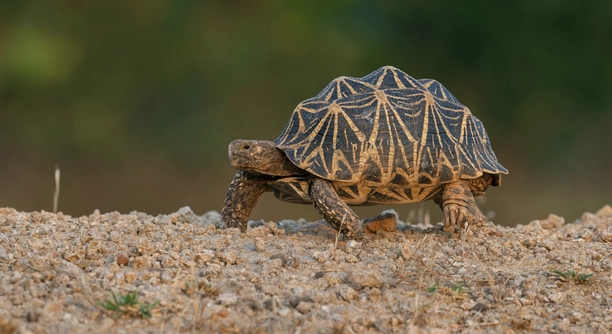
Turtles need the right water to thrive in their habitats. Water quality directly impacts their health and well-being. Choosing the best water type is important to ensure they stay healthy and comfortable in their environment.
The best types of water for turtles include dechlorinated tap water, bottled spring water, or filtered water. Tap water can be used if treated with a dechlorinator, ensuring it is safe and free from harmful chemicals that could affect your turtle’s health.
Selecting the right water type is essential to your turtle’s health. Understanding the options will help create the best environment for your pet’s long-term well-being.
Dechlorinated Tap Water
Dechlorinated tap water is one of the most common and accessible options for your turtle. Chlorine and chloramine in tap water can be harmful, but you can easily remove them by using a water conditioner or dechlorinator. This makes tap water safe for your turtle to live in.
Using dechlorinated tap water can be an easy, cost-effective solution for your turtle’s habitat. It’s available in most areas, and all you need is a simple treatment to ensure your turtle stays healthy. You can treat the water with a dechlorinator that removes chemicals before placing it in your turtle’s tank.
Keep in mind that while dechlorinated tap water is safe, it’s important to monitor the overall water quality. Regular water changes and testing ensure that it remains free from harmful substances like chlorine or ammonia. The water’s pH levels should also be checked regularly to keep everything balanced.
Bottled Spring Water
Bottled spring water is a reliable alternative to tap water for your turtle. It’s naturally filtered and free of chemicals like chlorine and chloramine, which can be harmful to your turtle’s health.
Spring water can be convenient, especially if you’re unsure about your tap water’s quality or if it’s not easily dechlorinated. It provides a natural, clean water source for your turtle. However, it is important to keep in mind that bottled water can be more expensive than tap water, so it’s best to evaluate how much you’ll need for your tank and whether this is a sustainable option in the long run.
The key benefit of using bottled spring water is its purity. Since it’s sourced from natural springs, it generally has fewer added chemicals, making it a safer choice for your turtle. Just make sure to change the water regularly and avoid stagnant water to keep your turtle’s environment fresh and healthy.
Filtered Water
Filtered water is another great choice for your turtle’s habitat. Using a water filter ensures that harmful chemicals, such as chlorine and heavy metals, are removed. This option helps maintain a clean and healthy environment for your turtle.
There are different types of water filters, including carbon and reverse osmosis filters, both of which can help purify your tap water. Carbon filters are more affordable and can effectively remove chlorine, while reverse osmosis filters provide the highest level of purification. Depending on your setup, either option can be a solid choice.
Filtered water also reduces the buildup of contaminants that may harm your turtle over time. If you use a filter, ensure it’s regularly maintained and replaced according to the manufacturer’s recommendations. This will keep your turtle’s water quality optimal and help prevent potential health issues.
Distilled Water
Distilled water is free from minerals, chlorine, and other chemicals. It’s an option you may consider if you want the purest form of water for your turtle. It’s completely safe as long as you’re aware of a few important details.
While distilled water can be great for turtles with specific health needs or those in very controlled environments, it lacks the minerals found in natural water. This means you’ll need to supplement the water with proper minerals, either through supplements or by mixing it with other water types. Otherwise, your turtle may develop deficiencies over time.
One of the advantages of distilled water is its purity. If your turtle has sensitive skin or respiratory issues, using distilled water can help reduce exposure to contaminants. However, make sure to monitor water conditions regularly and add back necessary nutrients to avoid any imbalances in your turtle’s health.
Well Water
Well water is a natural water source that can work well for turtles if it’s properly filtered. It’s often free from chlorine and other chemicals, making it a safer option than regular tap water.
If you’re using well water, it’s important to test the water regularly. Wells can sometimes contain harmful minerals or bacteria that may pose a risk to your turtle. Installing a filtration system helps ensure that the water is safe and clean.
Regular maintenance of your well water system is key to ensuring your turtle has a healthy environment. Regular testing will keep water quality in check, preventing any harmful surprises.
Rainwater
Rainwater is an eco-friendly option for your turtle’s tank, as it’s naturally free from chlorine and other chemicals found in tap water.
Rainwater can be collected and stored for use in your turtle’s habitat. However, it’s important to ensure that the water is properly filtered before use. Rainwater can pick up pollutants from the environment, so filtration is necessary to keep it safe. Also, storing rainwater in a clean container is crucial to avoid contamination.
While rainwater is a great option, make sure it’s tested for any contaminants that could affect your turtle’s health. This option can work well if you live in an area with minimal pollution.
FAQ
What is the best type of water for my turtle?
The best type of water depends on the specific needs of your turtle and what’s available to you. Dechlorinated tap water, bottled spring water, and filtered water are all good options. However, always make sure to treat tap water to remove chlorine or chloramine. The key is ensuring that the water is free from harmful chemicals, clean, and well-maintained.
Can I use regular tap water for my turtle?
You can use regular tap water, but it needs to be treated first. Tap water often contains chlorine or chloramine, which are harmful to turtles. You can use a dechlorinator to remove these chemicals and make the water safe. Without this step, your turtle could develop skin or respiratory issues.
Is bottled spring water safe for my turtle?
Yes, bottled spring water is safe for your turtle. It’s naturally filtered and free of chlorine or chloramine. However, it’s important to check if the water is mineral-rich or purified. If it’s too pure, you might need to add minerals back into the water to keep your turtle healthy.
Can I use well water for my turtle?
Well water can be used, but it should be tested regularly. Wells can sometimes contain minerals or bacteria that could harm your turtle. Filtering the water and regularly testing for any harmful substances is crucial. It’s a natural source but needs to be managed carefully to avoid potential risks.
Is distilled water good for turtles?
Distilled water is free from minerals and chemicals, which can make it a safe option. However, since it lacks the natural minerals your turtle needs, you must add supplements or mix it with another water type to prevent deficiencies. It’s a good option for sensitive turtles but requires more attention to maintain proper balance.
What type of filter should I use for my turtle’s tank?
The best filter depends on the size of the tank and the water’s condition. A strong, multi-stage filter that can handle both mechanical and chemical filtration is ideal. A canister filter or a powerful internal filter works well for larger tanks, while smaller filters may be sufficient for smaller setups.
How often should I change my turtle’s water?
You should change your turtle’s water regularly to maintain a clean environment. For tanks up to 20 gallons, changing 25% of the water once a week is usually sufficient. Larger tanks may need water changes every two weeks, but always monitor the water quality and adjust accordingly.
Can I use tap water without a dechlorinator?
It’s not recommended. Tap water typically contains chlorine or chloramine, both of which are toxic to turtles. Using a dechlorinator ensures the water is safe. Without it, your turtle may suffer from chemical burns or respiratory problems. Dechlorination is an easy and necessary step to keep your turtle healthy.
How can I test the water for my turtle?
You can test the water using water test kits available at pet stores or online. These kits measure pH, ammonia, nitrites, nitrates, and hardness. Testing at least once a week will help you keep track of your water’s quality. Make sure to adjust as necessary to maintain a balanced environment for your turtle.
Is rainwater safe for my turtle?
Rainwater is a natural option, but it requires careful consideration. Rainwater is generally free of chlorine, but it can pick up pollutants from the air and surfaces it lands on. Make sure to filter the rainwater before using it in your turtle’s tank. Also, store it properly to avoid contamination.
What happens if my turtle is exposed to chlorinated water?
Exposure to chlorinated water can cause irritation to your turtle’s skin, eyes, and respiratory system. Prolonged exposure can lead to more serious health issues, including skin infections and difficulty breathing. Always make sure that your turtle’s water is free from chlorine and other harmful chemicals by using dechlorinated water.
Can I use tap water if I don’t have a dechlorinator?
If you don’t have a dechlorinator, it’s best not to use tap water for your turtle. Without treatment, the chlorine or chloramine in tap water can be harmful. If you’re in a pinch, you can leave the water in an open container for 24 hours to allow the chlorine to evaporate, but this won’t remove chloramine.
How do I know if my turtle’s water is clean?
Your turtle’s water should be clear, odor-free, and have a balanced pH. Test the water regularly and monitor the ammonia, nitrite, and nitrate levels. If the water looks cloudy or smells bad, it’s time to clean the tank and change the water. Regular water changes and proper filtration will help keep the water clean.
What is the ideal pH level for turtle water?
The ideal pH level for turtle water is between 6.5 and 7.5. This range is safe for most species of turtles. It’s important to monitor the pH regularly, especially if you’re using tap or well water, as their pH levels can fluctuate over time. You can adjust the pH with additives if necessary.
Should I use soft or hard water for my turtle?
Most turtles prefer water that is moderately hard, with a calcium hardness level between 100-300 ppm. Soft water lacks essential minerals, while very hard water can lead to scale buildup. Check your water’s hardness regularly and adjust accordingly to provide the best environment for your turtle.
Can I use a water conditioner for my turtle?
Yes, water conditioners can be used to remove harmful chemicals like chlorine, chloramine, and heavy metals from tap water. If you’re using tap water, adding a conditioner is necessary to make it safe. Always read the product instructions to ensure it’s safe for your specific turtle species.
Final Thoughts
Choosing the right water for your turtle is essential for its health and well-being. Whether you use tap water, filtered water, or natural options like well water or rainwater, it’s important to consider the specific needs of your turtle. Regular water changes, proper filtration, and water testing are key practices to maintain a safe and clean environment. By understanding the various types of water and how to treat them, you can ensure your turtle thrives in a healthy habitat.
Turtles are sensitive to water quality, and their environment directly impacts their overall health. Chlorine, chloramine, and harmful minerals can cause skin, respiratory, and other health issues. Therefore, it’s crucial to either treat tap water or opt for water sources that are naturally free of chemicals, such as bottled spring water or rainwater. Regularly checking the water’s pH, hardness, and temperature will help you maintain a balanced tank. A good filtration system can help prevent the buildup of toxins, keeping the water clean for your turtle.
Ultimately, creating the best possible environment for your turtle requires understanding the different water options and their effects. With proper care, attention to detail, and routine maintenance, your turtle will be able to thrive in a healthy, safe aquatic habitat. Whether you’re using tap water or natural sources, it’s all about ensuring the water is clean, well-maintained, and suitable for your turtle’s needs. Keeping an eye on water quality will help you prevent health problems and allow your turtle to live a long, healthy life.

Hello,
If you enjoy the content that we create, please consider saying a "Thank You!" by leaving a tip.
Every little bit helps us continue crafting quality advice that supports the health, happiness, and well-being of pets around the world, for pets of all shapes, sizes, and species.
We really appreciate the kindness and support that you show us!