
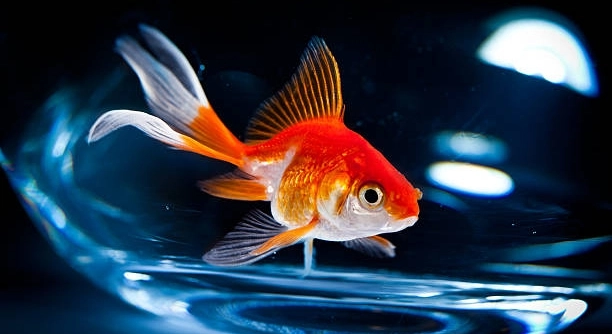
Goldfish are popular pets, known for their vibrant colors and graceful swimming. To keep them healthy, it’s important to feed them the right food. Choosing the best fish food ensures they get the proper nutrients for growth and vitality.
The best fish food for goldfish includes flakes, pellets, freeze-dried options, and live food. High-quality options help goldfish thrive, offering a balanced diet that supports their immune system and promotes long-term health. However, some foods should be avoided.
Choosing the right food for your goldfish can make a big difference in their health. Keep reading to discover the top choices and the ones to steer clear of.
Best Types of Fish Food for Goldfish
Goldfish need a well-balanced diet that includes different types of food to stay healthy. The most common options are flakes, pellets, freeze-dried, and live food. Each has its benefits depending on your goldfish’s size and preferences. Flake food is an easy-to-find option that works well for smaller goldfish. Pellets tend to last longer and are great for larger goldfish, while freeze-dried food offers extra nutrients. Live food, such as brine shrimp, is a treat that can mimic natural feeding habits.
While each food type has its pros and cons, offering a mix of these options can ensure your goldfish receives a variety of nutrients.
Flakes are popular because they’re easy to use and come in different formulas for specific needs like growth or color enhancement. Pellets are often more nutritionally dense, meaning fewer feedings are necessary. Freeze-dried and live food, although not as convenient, provide valuable protein and minerals that improve overall health. Make sure to rotate between these options to keep your goldfish’s diet varied and nutritious.
Foods to Avoid for Goldfish
Goldfish can be picky eaters, but some foods should be avoided.
Goldfish should not be fed with bread, processed foods, or human snacks. These foods can cause digestive issues and offer no nutritional value. Additionally, avoid foods that are too high in fat or sugar, as they can lead to obesity and other health problems.
Flake Food for Goldfish
Flake food is the most common and easily accessible option for goldfish. It is usually designed to meet the basic nutritional needs of your fish. However, not all flakes are created equal.
When choosing flake food, look for one that is specifically made for goldfish. It should provide a good balance of protein, fats, and vitamins. Flake food is ideal for smaller goldfish and works well as a daily staple. However, it tends to float on the surface, so ensure your goldfish is actively feeding. Overfeeding can cause water quality issues, so avoid excess flakes in the tank.
Some flake food also includes added color enhancers, which can help bring out your goldfish’s natural hues. However, keep in mind that not all color-enhancing additives are necessary for your fish’s health. Always prioritize nutritional value over appearance when selecting flake food.
Pellet Food for Goldfish
Pellet food is another popular choice for feeding goldfish. It’s often denser and more filling than flakes.
Pellets are great for larger goldfish since they tend to sink to the bottom, making them ideal for bottom feeders. These foods are more nutritionally dense, meaning your goldfish can get full faster without consuming too much. Be mindful of how much you feed, as leftover pellets can deteriorate quickly in the tank and affect water quality. It’s important to choose high-quality pellets made specifically for goldfish, as some generic brands can be too high in fillers.
If you feed pellets, make sure your goldfish can chew and swallow them easily. Some goldfish may have trouble with large pellets, so look for appropriately sized options. Also, pellets come in both sinking and floating varieties, so choose based on your goldfish’s feeding habits.
Freeze-Dried Food for Goldfish
Freeze-dried food offers a different texture and taste for your goldfish. It’s a great treat, but should be fed in moderation.
Freeze-dried food typically contains high-quality protein, making it a great addition to your goldfish’s diet. It’s available in options like brine shrimp, bloodworms, and daphnia, all of which goldfish enjoy. These foods provide variety and extra nutrients, but should not replace regular meals.
Goldfish should only get freeze-dried food a few times a week to ensure they don’t overeat. It’s also important to rehydrate freeze-dried food before feeding it, as dry food can expand in your fish’s stomach, causing discomfort.
Live Food for Goldfish
Live food is the most natural option for goldfish, often providing the best nutritional value.
Live foods like brine shrimp, worms, and daphnia closely mimic what goldfish would eat in the wild. They offer high protein levels and are excellent for stimulating your fish’s natural hunting instincts. However, live food is more challenging to store and maintain than flakes or pellets.
Make sure you’re sourcing live food from a reputable supplier to avoid contamination. This food type should be fed as an occasional treat to enrich your goldfish’s diet.
FAQ
What is the best food for goldfish?
The best food for goldfish depends on their size, age, and activity level. A combination of flakes, pellets, and occasional live or freeze-dried food is ideal. Flakes are perfect for smaller fish, while pellets work better for larger goldfish. Freeze-dried and live food add variety and extra nutrients, but should not be the primary diet. Goldfish thrive on a balanced diet that includes high-quality, species-specific food to ensure they get all the necessary nutrients for their health.
How often should I feed my goldfish?
Goldfish should be fed two to three times a day, but only what they can eat in about two minutes. Overfeeding can lead to water quality problems, as leftover food decomposes in the tank. Keep feeding times consistent, and adjust based on the goldfish’s activity and appetite. Young or growing goldfish may require more frequent feeding, but adult goldfish can be fed less often.
Can goldfish eat vegetables?
Yes, goldfish can eat certain vegetables. Vegetables like peas, lettuce, zucchini, and spinach are great for them. Peas, in particular, help with digestion, and lettuce provides extra fiber. Be sure to blanch or soften the vegetables before feeding them to ensure they are easy for your goldfish to eat. However, vegetables should not replace regular fish food, as they lack the necessary nutrients goldfish need for overall health.
Is it okay to feed goldfish only pellets?
Pellets can be a convenient and nutritious option for goldfish, but feeding them exclusively isn’t ideal. A diet based solely on pellets can lack variety and might not provide all the nutrients that goldfish need in the long run. Offering different types of food, such as flakes, vegetables, and occasional live or freeze-dried treats, will ensure your goldfish receives a more balanced and enriching diet.
Can goldfish eat bread?
Goldfish should not be fed bread. Bread contains too many carbohydrates and little nutritional value for goldfish. It can cause digestive issues and may lead to water pollution if not consumed. Avoid feeding your goldfish human foods like bread, crackers, or anything high in sugar or fat. Stick to foods designed for their dietary needs.
What happens if I overfeed my goldfish?
Overfeeding goldfish can cause several problems. Leftover food will decay in the tank, leading to poor water quality and a higher chance of algae growth. Overfed goldfish can also become overweight, which might lead to health issues like swim bladder problems or other internal complications. It’s important to feed only what your goldfish can consume within a few minutes and avoid excessive portions.
Can I feed my goldfish live worms?
Yes, goldfish can eat live worms, and they can be a great source of protein. Earthworms, blackworms, and tubifex worms are commonly used as live food for goldfish. Live worms stimulate natural hunting instincts and provide additional nutrients for growth and health. However, they should be used sparingly as an occasional treat, as overfeeding can disrupt your fish’s regular diet.
Do goldfish need special food?
Goldfish have specific dietary needs that require a balance of proteins, fats, and vitamins. While they can eat a variety of foods, it’s best to feed them high-quality food designed for goldfish. Foods like flake and pellet formulas are often tailored to their nutritional needs. Avoid feeding them foods made for other types of fish, as they may not meet goldfish’s requirements.
How can I tell if my goldfish is not eating enough?
Signs that your goldfish might not be eating enough include lethargy, loss of color, or a noticeable decline in health. If your goldfish is consistently underweight or not growing properly, it could indicate that it is not getting enough food. It’s important to ensure that your goldfish is eating regularly and that the food is suitable for its size and age. If there’s a persistent issue, consider adjusting its diet or consulting a vet.
Are there foods that can harm goldfish?
Certain foods can harm goldfish if fed regularly. Foods that are too fatty, sugary, or high in carbohydrates, like bread, should be avoided. Additionally, avoid feeding goldfish any food meant for other pets or human snacks. Some plants, like lettuce with pesticides, should also be avoided. Stick to goldfish-specific foods to ensure their health and well-being.
Final Thoughts
Choosing the right food for your goldfish is essential for their health and well-being. Goldfish need a balanced diet to thrive, and providing a variety of food types can help ensure they get all the nutrients they need. Foods like flakes, pellets, and freeze-dried or live options each have their benefits and should be included in their diet. However, it’s important to remember that not all foods are suitable for goldfish, and some can even harm them. Avoid feeding them human foods, especially those high in fats, sugars, or carbohydrates, as these can lead to digestive problems and other health issues.
Feeding your goldfish the right amount is just as important as choosing the right food. Overfeeding is a common mistake and can lead to water quality problems and health issues for your goldfish. Offering small, balanced portions a few times a day is the best approach. It’s also essential to monitor your goldfish’s behavior and appearance. If they are becoming lethargic or showing signs of poor health, it might be time to adjust their diet or feeding schedule. Consistency is key, and a good feeding routine will contribute to your goldfish’s long-term happiness and health.
Finally, maintaining a proper feeding routine will also make aquarium care easier. Overfeeding can cause excess waste in the tank, affecting the water quality and leading to problems like algae growth. By feeding your goldfish only what they can eat in a couple of minutes and using quality food, you’ll not only help them stay healthy but also keep your aquarium cleaner. Variety in their diet is important, so don’t stick to one type of food for too long. A mix of flakes, pellets, and occasional live or freeze-dried food will keep your goldfish happy and thriving.

Hello,
If you enjoy the content that we create, please consider saying a "Thank You!" by leaving a tip.
Every little bit helps us continue crafting quality advice that supports the health, happiness, and well-being of pets around the world, for pets of all shapes, sizes, and species.
We really appreciate the kindness and support that you show us!