
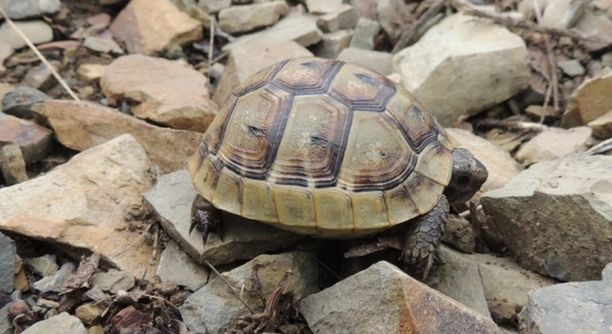
Toys and enrichment items are important for keeping your Russian tortoise healthy and active. These items help provide mental stimulation, physical exercise, and a more enriching environment. A variety of products can support your tortoise’s well-being.
The best toys and enrichment items for Russian tortoises include tunnels, climbing structures, food puzzles, and foraging toys. These items stimulate natural behaviors like digging, climbing, and searching for food, improving their physical and mental health.
Incorporating these enrichment tools will keep your tortoise entertained and satisfied, while promoting natural behaviors that support its overall health.
1. Tunnels and Hiding Spaces
Russian tortoises love exploring spaces that allow them to feel safe and secure. Tunnels and hiding spaces are perfect for this. These items mimic the natural burrows tortoises seek in the wild. Providing a place for them to retreat when feeling stressed or tired can help them feel more comfortable in their environment. Look for tunnels made from non-toxic materials like plastic, ceramic, or even wood. These materials are easy to clean and won’t harm your pet if chewed on.
A simple tunnel setup can provide hours of entertainment for your tortoise. They’ll spend time exploring and finding their way in and out, mimicking the activities they would do in their natural habitat.
These hiding spaces also promote a healthy sense of security. When your tortoise has a safe spot to retreat, they’ll be less stressed. It’s essential to ensure the tunnel is the right size, allowing them to move freely without feeling cramped.
2. Climbing Structures and Obstacles
Climbing structures offer a great way to help your Russian tortoise exercise and maintain a healthy weight. By encouraging them to climb, you stimulate their natural behaviors and enhance their physical fitness. It’s important to choose items that are stable and won’t tip over easily, ensuring your tortoise’s safety while climbing.
Obstacle courses can be designed using platforms, rocks, and other natural materials. These items help keep your tortoise engaged and encourage movement throughout the day. Ensure that obstacles are not too high for your tortoise to safely climb, as they may become frustrated or hurt themselves trying to scale them. Combining climbing structures with tunnels or other enrichment items will keep your tortoise’s environment varied and exciting. The more diverse their habitat, the more they’ll be motivated to explore.
3. Foraging Toys and Food Puzzles
Foraging toys are a great way to stimulate your Russian tortoise’s natural hunting instincts. These toys encourage them to search for food, which can reduce boredom and keep them active. Look for simple toys like treat dispensers or hidden compartments that allow your tortoise to “hunt” for food.
Food puzzles are excellent for mental stimulation, requiring your tortoise to figure out how to access their treats. It can take a little time for your tortoise to learn, but once they do, it keeps them engaged. Try using toys that hide vegetables, fruits, or their favorite snacks to encourage foraging. Be sure to rotate the toys regularly to maintain their interest and challenge them further. This activity will also help mimic the natural process of searching for food in the wild.
4. Outdoor Enclosures and Sunbathing Platforms
Outdoor enclosures are beneficial for Russian tortoises, providing them with ample space to explore. These enclosures allow them to engage in natural behaviors like grazing and digging. If you have a safe, enclosed yard, setting up an outdoor space for your tortoise can make a huge difference in their happiness and health.
Sunbathing platforms are a great addition to the outdoor space. Russian tortoises need access to sunlight for proper vitamin D production. A safe, elevated platform allows them to bask in the sun, warming up their bodies and aiding digestion. Be sure to place the platform in an area with proper shade to prevent overheating. Regular sun exposure will promote healthy bones and overall well-being. Pair this with some plants for added enrichment. Your tortoise will love the opportunity to explore and bask outdoors.
5. Digging Boxes and Sand Pits
Digging is a natural behavior for Russian tortoises, and providing them with a digging box or sand pit can be a great way to keep them entertained. Fill the box with safe, non-toxic sand or soil, giving them a space to dig, explore, and express this instinct.
These digging areas mimic the environments tortoises would seek in the wild, where they dig for food or to find cooler spots. It also provides mental stimulation and helps with physical exercise. Make sure the digging box is spacious enough for them to move around comfortably, and keep it clean to ensure a healthy environment.
6. Swimming Pools and Water Dishes
While not all Russian tortoises enjoy swimming, some benefit from shallow water dishes or small pools. A small, shallow pool can give them a place to cool off and hydrate. The key is to ensure that the water is not too deep, as tortoises are not strong swimmers.
Using water dishes in the enclosure is another simple way to support hydration. Ensure the water is fresh and changed regularly, as clean water is essential to your tortoise’s health. Some tortoises may even enjoy soaking for short periods to keep their skin healthy. Always observe your tortoise to ensure they’re comfortable around the water.
FAQ
What type of toys should I avoid for my Russian tortoise?
Avoid toys made from toxic materials like lead or harmful plastics. Small toys that could easily be swallowed, such as rubber items or small plastic objects, should be kept out of reach. Stick to safe, natural materials that won’t break apart easily. Wooden toys are usually a safe option, but ensure they’re untreated and non-toxic. Avoid items that have small parts that could be a choking hazard. Additionally, toys with sharp edges can hurt your tortoise, so inspect them regularly for safety.
Can Russian tortoises play with other pets?
It’s generally not advisable to allow your Russian tortoise to interact directly with other pets, especially more active or predatory ones like dogs and cats. These animals could unintentionally harm your tortoise or cause it stress. However, if you have other reptiles or small animals, it’s best to keep them separate to avoid the risk of disease transmission or territorial conflicts. If you’re considering introducing another pet to your tortoise’s environment, make sure the setup is safe for both species.
How often should I provide enrichment for my Russian tortoise?
Enrichment should be provided regularly to keep your tortoise mentally stimulated and physically active. Rotate toys and other enrichment items every few days to maintain their interest. You don’t need to overwhelm them with constant changes, but introducing new items occasionally will prevent boredom. Additionally, incorporating natural behaviors like foraging, digging, and climbing into their daily routine will help maintain their health and happiness. Observe your tortoise to gauge its preferences and tailor enrichment accordingly.
Do Russian tortoises need a variety of toys?
Yes, variety is key to keeping your tortoise engaged. A combination of toys that encourage different behaviors, like foraging, climbing, and digging, can provide a richer environment. For example, a digging box combined with a food puzzle can offer both physical and mental stimulation. It’s important to provide opportunities for your tortoise to express its natural instincts, which vary from tortoise to tortoise. The goal is to create an environment where your tortoise can engage in different activities throughout the day.
Are there any toys specifically designed for Russian tortoises?
While there are no toys specifically made just for Russian tortoises, there are many options available that are suitable for them. Look for toys designed for reptiles or small animals, such as tunnels, foraging toys, and climbing structures. Many items intended for other reptiles, like geckos or bearded dragons, will also work for your tortoise, as long as they are safe, sturdy, and appropriately sized. Be sure to choose toys that promote natural behaviors, such as digging, climbing, and foraging.
How can I create a natural environment for my Russian tortoise?
Creating a natural environment involves replicating your tortoise’s native habitat as closely as possible. Provide a variety of surfaces like rocks, sand, and soil for digging and climbing. You can add plants, both real and artificial, to create hiding spots and offer extra stimulation. Include a shallow water dish for hydration, but avoid making the area too humid, as Russian tortoises thrive in drier conditions. A secure outdoor enclosure or a spacious indoor habitat with UV lighting and a heat source will also help replicate their natural environment.
What should I do if my Russian tortoise seems uninterested in its toys?
If your tortoise isn’t engaging with its toys, try changing things up. Introduce new toys or rotate existing ones. Sometimes, tortoises get bored if they have the same items for too long. You might also need to reassess the toy’s size, material, or type to better suit your tortoise’s preferences. Ensure that the habitat is set up in a way that encourages exploration, with plenty of space and opportunities to engage in natural behaviors. Also, make sure your tortoise is healthy and active, as a lack of interest could indicate an underlying health issue.
How can I tell if my Russian tortoise is getting enough exercise?
A well-exercised tortoise will spend time exploring, climbing, and foraging. If your tortoise is becoming lethargic or seems to avoid activity, it may not be getting enough stimulation. Providing climbing structures, foraging toys, and space to roam will encourage your tortoise to stay active. Regular outdoor exposure is also important, as natural sunlight and additional space can promote healthy movement. Keep an eye on your tortoise’s weight and physical condition. If it becomes too sedentary or shows signs of obesity, it may be a sign that more exercise is needed.
Can Russian tortoises get bored?
Yes, Russian tortoises can get bored, especially if they don’t have enough stimulation or space to explore. Without proper enrichment, they may become less active or exhibit repetitive behaviors. Providing a variety of toys, climbing structures, and digging areas will keep your tortoise engaged. Regularly changing their environment by introducing new challenges or hiding food in different places will also help prevent boredom. Remember, a bored tortoise may not show outward signs, so it’s important to keep an eye on their activity levels and behaviors.
Are there any dangers of over-enriching my Russian tortoise’s environment?
Over-enriching your tortoise’s environment can create stress or overwhelm them. If there are too many toys or obstacles, your tortoise might feel crowded and unable to find a comfortable space. It’s important to balance enrichment with areas for rest and relaxation. Make sure the enclosure isn’t cluttered, allowing your tortoise to freely roam and rest without feeling cramped. Overly stimulating environments might cause your tortoise to become anxious, so always observe their behavior and adjust the setup as needed.
Final Thoughts
Russian tortoises are wonderful, curious creatures that need the right environment to thrive. Providing the proper toys and enrichment items can enhance their well-being and help them feel more comfortable in captivity. These tortoises benefit from activities that mimic their natural behaviors, such as digging, climbing, and foraging. By offering a variety of safe and engaging items, you can create a space that encourages exercise, mental stimulation, and overall health. While they are independent animals, they do need a little extra care to ensure they stay active and content.
When selecting toys and enrichment items, always prioritize safety and natural behaviors. Choose materials that are non-toxic and durable. Consider the size and strength of your tortoise to ensure the toys are appropriate. Items like digging boxes, tunnels, and climbing structures can promote healthy physical activity. Food puzzles and foraging activities stimulate their mind and encourage natural searching behaviors. Additionally, you should rotate the items and change things up every so often to keep your tortoise interested and engaged. The goal is to offer them a variety of experiences that match their instincts.
Remember that each tortoise is different, and preferences may vary. Some may love water, while others may prefer to stay dry. It’s essential to observe their reactions to new toys and activities to understand what they enjoy the most. Enrichment is not just about providing toys, but about ensuring a balanced environment that allows your tortoise to live a full, healthy life. Regular monitoring of their behavior and physical health will guide you in making adjustments as needed. By offering the right combination of toys and activities, your Russian tortoise will have the best chance at a happy and active life.

Hello,
If you enjoy the content that we create, please consider saying a "Thank You!" by leaving a tip.
Every little bit helps us continue crafting quality advice that supports the health, happiness, and well-being of pets around the world, for pets of all shapes, sizes, and species.
We really appreciate the kindness and support that you show us!