
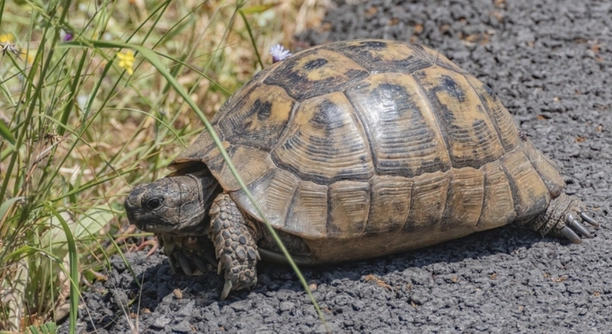
Russian tortoises, like all pets, thrive when their environment stimulates both their minds and bodies. Providing them with the right toys and enrichment activities can help meet their natural instincts and keep them healthy.
The best toys and activities for Russian tortoises include puzzle feeders, digging boxes, and climbing structures. These encourage natural behaviors like foraging, digging, and climbing, promoting physical exercise and mental stimulation. These activities contribute to their overall well-being.
Offering your tortoise proper enrichment helps them lead a more active and fulfilling life. The right toys will keep them engaged while supporting their health.
Puzzle Feeders: A Great Way to Keep Your Tortoise Engaged
Puzzle feeders are an excellent way to stimulate your Russian tortoise’s mind. These feeders encourage them to work for their food, which taps into their natural foraging instincts. By making them solve simple challenges to access their meals, you provide mental stimulation that helps prevent boredom. You can easily find puzzle feeders designed for reptiles or use safe DIY options, like a box with hidden treats. Make sure the puzzles are not too complex, as your tortoise should be able to solve them within a reasonable time frame. This activity will keep your pet busy and healthy, ensuring they get the physical and mental exercise they need.
Puzzle feeders are more than just entertainment; they help replicate some aspects of the tortoise’s natural feeding habits. By working for their food, tortoises engage in a more natural routine, which helps prevent weight gain and promotes overall health. You can gradually increase the difficulty of the puzzle to keep your tortoise challenged, making each feeding an engaging activity.
Digging Boxes: Encouraging Natural Behavior
Digging is a natural behavior for Russian tortoises, and providing a digging box can satisfy this instinct.
A simple container filled with soil or sand will do. Your tortoise can dig, burrow, and explore its environment, mimicking the natural behavior they would display in the wild. This provides both physical activity and enrichment.
Climbing Structures: Physical Exercise and Fun
Climbing structures are a great addition to your tortoise’s habitat. These structures encourage them to use their legs and shells to climb, mimicking the terrain they would naturally encounter in the wild. Simple ramps, small logs, or flat rocks can be arranged to create these structures.
Climbing helps improve their overall strength and flexibility. It also promotes their muscle development, as the tortoise has to work to climb over obstacles. It’s important to ensure that the climbing structure is safe, not too steep, and offers a comfortable height for your tortoise to climb without risk of injury.
Incorporating climbing elements into your tortoise’s environment helps prevent obesity, encourages exercise, and provides mental stimulation. By offering a variety of surfaces and climbing heights, you create an engaging space for your pet to explore. Be sure to regularly check the stability of any climbing structures to ensure safety.
Hiding Spots: Making Your Tortoise Feel Secure
Hiding spots are essential for your Russian tortoise’s well-being. Tortoises, like other reptiles, need a place where they can retreat to feel safe.
You can create hiding spots using caves, plants, or boxes. This helps reduce stress, allowing your tortoise to rest and recharge in a secure space. Providing a few hiding options around their habitat allows them to choose where they feel most comfortable.
Tortoise-Safe Toys: Keep Them Safe and Entertained
Tortoise-safe toys are a great way to keep your pet entertained and mentally stimulated. Look for non-toxic, durable options that can withstand the wear and tear of chewing and play. Avoid small parts that could be swallowed, as safety should always come first.
Wooden blocks, rubber balls, and plastic tunnels are excellent choices for safe, durable toys. Make sure they are the right size for your tortoise to avoid any choking hazards. The key is to choose items that encourage movement and curiosity without being harmful to your pet. Regularly check toys for any signs of damage.
Bath Time Fun: A Relaxing and Stimulating Activity
Bath time is an enriching activity that benefits both the mental and physical health of your Russian tortoise.
Giving your tortoise a bath helps with hydration, encourages movement, and can be a soothing experience. Gently place your tortoise in shallow, lukewarm water for about 10-15 minutes. This can also help stimulate their digestive system.
Variety is Key
Variety is essential in keeping your tortoise engaged. Providing a mix of activities ensures that they won’t get bored.
Rotate toys and enrichment activities regularly to give your tortoise something fresh to explore. A balanced approach to play, combined with climbing, digging, and foraging, will promote a healthy, active life for your pet.
FAQ
How often should I change my tortoise’s toys?
Tortoises enjoy variety, so it’s best to rotate their toys every couple of weeks. This keeps them engaged and prevents boredom. If a toy shows signs of wear or damage, replace it immediately to ensure your pet’s safety.
Can my tortoise play with plastic toys?
Plastic toys can be safe if they are large enough to prevent accidental swallowing and free from small, detachable parts. Always choose non-toxic plastic materials and inspect the toys regularly for cracks or damage. Avoid any plastic that could pose a choking hazard.
Do Russian tortoises need social interaction?
Russian tortoises are solitary animals and don’t require social interaction in the same way as some other pets. They will enjoy the enrichment activities provided, but they don’t need companionship from other tortoises or animals. Interaction should be limited to handling them for brief periods.
What is the best substrate for my tortoise’s digging box?
For a digging box, use a natural, safe substrate like organic soil, coconut coir, or a mix of sand and soil. These materials allow for natural digging behavior and won’t harm your tortoise if ingested in small amounts. Always ensure the substrate is kept clean and dry.
How can I ensure my tortoise stays hydrated?
Keep a shallow water dish in your tortoise’s habitat, changing the water daily to ensure freshness. Bathing your tortoise regularly also helps with hydration, especially if your tortoise isn’t drinking enough on its own.
Should I give my tortoise treats?
Treats should be offered sparingly and should consist of safe, tortoise-friendly foods like leafy greens, flowers, and vegetables. Overfeeding treats can lead to obesity or digestive issues, so they should not make up more than 10% of your tortoise’s diet.
Is it okay to let my tortoise roam outside?
Letting your tortoise roam outside is okay, but only in a secure, enclosed area. Be sure the environment is safe from predators and extreme weather conditions. Avoid direct sun exposure for too long and always supervise your tortoise during outdoor time.
How long do Russian tortoises live?
Russian tortoises can live up to 50 years or more with proper care. Providing a healthy diet, suitable habitat, and regular veterinary check-ups will help extend their lifespan. Ensure they have enough space to roam, and their environment stays clean and safe.
Can I use a heat lamp for my tortoise’s habitat?
Yes, a heat lamp is a good option to provide warmth for your tortoise, especially if they are kept indoors. Ensure the lamp is positioned correctly to maintain a proper temperature gradient in the habitat. It’s important not to overheat the enclosure, as tortoises need areas to cool down.
How can I tell if my tortoise is stressed?
Signs of stress in tortoises include lack of appetite, hiding more than usual, pacing or scratching at the walls of their enclosure, or a change in their behavior. Make sure their environment is stable and provides adequate space, hiding spots, and proper temperature.
Are Russian tortoises good pets for children?
Russian tortoises can make good pets for children, but it’s important for adults to supervise the care. Tortoises need proper handling, a stable environment, and consistent feeding schedules. Teach children how to treat the tortoise gently and respect its space.
Can I keep more than one Russian tortoise together?
Russian tortoises are solitary by nature and should be housed separately to avoid territorial disputes. Males, in particular, may become aggressive towards other males. If you do keep them together, ensure there is enough space and hiding spots to reduce potential stress.
What kind of lighting does my tortoise need?
Your Russian tortoise needs both UVB and heat lighting to stay healthy. UVB light helps them process calcium, while heat lighting ensures they have a proper temperature gradient. Avoid using standard household bulbs, as they do not provide the UVB rays tortoises need.
How much space does my Russian tortoise need?
Russian tortoises need a large enclosure to roam. A minimum of 4×8 feet is recommended for one adult tortoise. The enclosure should have plenty of space for hiding spots, climbing structures, and areas to explore. Larger spaces will help keep them physically and mentally stimulated.
Can I feed my tortoise fruits?
Fruits should only be offered occasionally and in moderation. While they are safe, fruits are high in sugar, which can upset your tortoise’s digestive system if fed too often. Stick to feeding leafy greens and vegetables as the main part of their diet.
What is the best diet for a Russian tortoise?
The best diet for a Russian tortoise includes a variety of leafy greens like dandelion greens, collard greens, and kale, along with other vegetables such as carrots and squash. You can also feed them occasional flowers and grasses. Avoid feeding them too much fruit or protein.
Final Thoughts
Providing the right toys and enrichment activities for your Russian tortoise is essential for their well-being. These activities help stimulate their natural behaviors, keep them mentally and physically active, and prevent boredom. Simple items like wooden blocks, tunnels, and small climbing structures can make a significant difference. Enrichment should be varied and rotated regularly to keep your tortoise engaged and content. Always ensure that the toys are safe and suitable for your pet’s size to avoid any hazards.
Tortoises thrive in environments that offer both mental stimulation and physical challenges. Offering activities like digging boxes, hiding food, or letting them explore new areas will encourage their curiosity. When they are mentally stimulated, tortoises are more likely to remain healthy and active. Their behavior can become more lively and engaging when they have space to move around and things to interact with. Regularly changing the scenery or adding new items to their habitat keeps them alert and satisfied.
In the end, caring for a Russian tortoise goes beyond just providing food and shelter. A happy, healthy tortoise requires a well-rounded environment that includes plenty of enrichment opportunities. While it’s easy to focus on diet and habitat, giving your tortoise the chance to play, explore, and discover new things is just as important. By offering the right toys and activities, you are helping to ensure your pet’s long-term happiness and well-being.

Hello,
If you enjoy the content that we create, please consider saying a "Thank You!" by leaving a tip.
Every little bit helps us continue crafting quality advice that supports the health, happiness, and well-being of pets around the world, for pets of all shapes, sizes, and species.
We really appreciate the kindness and support that you show us!