
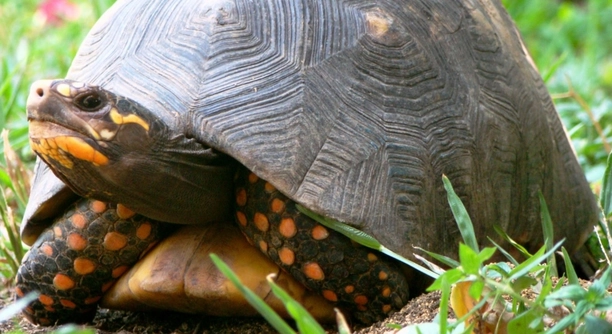
Red-footed tortoises are fascinating creatures that need more than just food and water to thrive. Providing them with stimulating toys and activities is essential for their well-being. In this article, we will explore the best options for your pet.
The best toys and activities for red-footed tortoises include items that promote physical exercise and mental stimulation. Safe, interactive toys like puzzles, tunnels, and natural enrichment items help prevent boredom and support their health by encouraging natural behaviors.
These activities are perfect for keeping your tortoise engaged and healthy. They not only provide fun but also help your tortoise live a more active and fulfilling life.
Importance of Mental Stimulation for Red-Footed Tortoises
Mental stimulation plays a key role in keeping red-footed tortoises healthy and happy. These tortoises are naturally curious and intelligent creatures. Without proper enrichment, they may become bored, stressed, or develop undesirable behaviors. Toys and activities that challenge their problem-solving skills can keep their minds active, which is important for their overall well-being. Providing opportunities for mental engagement is just as essential as physical exercise. It can improve their quality of life and promote healthy development. Items like puzzle feeders or toys with hidden treats are ideal for encouraging mental exercise. These activities tap into their natural foraging instincts, keeping them engaged for longer periods.
Physical and mental stimulation go hand in hand. For example, allowing your tortoise to explore new environments in a safe manner can keep them both physically active and mentally engaged. Regularly changing the toys or hiding food can also increase interest and prevent them from becoming disinterested.
If you want your tortoise to live a longer, healthier life, offering stimulating activities is key. A happy tortoise is an active one, and mental stimulation plays a large part in keeping them well-rounded and content.
Best Toys for Red-Footed Tortoises
Red-footed tortoises need toys that are safe, durable, and engaging. Some of the best options include puzzle feeders, tunnels, and rocks for climbing. These toys allow the tortoises to explore and interact with their environment.
Tunnels are excellent for encouraging exploration and physical movement. You can use plastic or wooden tunnels, ensuring they are large enough for your tortoise to crawl through comfortably. They also provide a place for your tortoise to hide, which can reduce stress. Puzzle feeders are another great choice. These feeders require the tortoise to work to get their food, simulating natural foraging behavior. You can hide small pieces of food inside the puzzle or under rocks, encouraging your tortoise to problem-solve.
Climbing rocks and ramps offer the perfect balance of exercise and mental stimulation. Red-footed tortoises are naturally inclined to climb, and adding rocks or ramps to their habitat helps build muscle and coordination. By rotating these toys regularly, you can maintain their interest and keep them active.
Natural Enrichment for Red-Footed Tortoises
Providing natural enrichment is one of the best ways to keep a red-footed tortoise engaged. This involves using items from their natural habitat, like leaves, flowers, and branches, which they can interact with. Natural elements can stimulate their senses and make their environment feel more like their wild home.
You can also add plants they can safely eat, such as dandelions or clover. This encourages natural foraging behavior and can help prevent boredom. Some red-footed tortoises enjoy digging or burrowing, so providing soil or sand can also give them a chance to express these instincts. Make sure any plants or materials used are non-toxic.
Natural enrichment also includes introducing items like logs or tree branches, which encourage climbing and exploring. These items mimic the kind of environment they would encounter in the wild, allowing them to exercise both physically and mentally.
Importance of Physical Exercise
Physical exercise is essential for red-footed tortoises to stay healthy. Like other reptiles, they need regular movement to maintain strong muscles and bones. Encouraging your tortoise to walk, climb, or dig will help with their physical development and prevent obesity.
Providing open space for them to roam, with safe obstacles like rocks or low branches, can increase physical activity. This also helps with their coordination and overall health. It’s important not to confine them to a small area for too long, as this could lead to lethargy and weight gain.
Some tortoises enjoy swimming, so offering a shallow water dish or pond can add variety to their physical exercise routine. This keeps them active while also giving them the chance to cool off and hydrate. Keeping your tortoise active ensures they stay fit and strong, which is key to a long, healthy life.
Treats and Food-Based Activities
Food-based activities are a fun and effective way to engage your red-footed tortoise. Using food as a reward for completing tasks or exploring helps stimulate their natural foraging instincts. It also creates a positive association with activities that challenge them.
Offering treats inside puzzle feeders or hiding food in different areas of their enclosure makes them work for their meal. This not only provides mental stimulation but also encourages them to move around and explore their habitat. Be sure to use healthy, tortoise-safe treats like fruits, vegetables, and edible flowers.
Tortoises enjoy a bit of variety, so using different types of food can keep them interested and motivated. A good mix of food-based activities ensures they are both satisfied and mentally engaged.
Benefits of Interactive Play
Interactive play allows red-footed tortoises to engage with their environment and with their owners. It strengthens the bond between you and your tortoise, helping them feel secure and comfortable. Regular interaction can also help reduce stress levels.
Interactive toys, like balls or toys that make noise, grab their attention and encourage them to move around. By introducing these toys into their space, you provide them with new challenges, making their habitat more interesting. This helps to prevent the boredom that can lead to unhealthy behaviors.
Providing a balance of interactive play and other enrichment activities ensures that your tortoise remains mentally and physically active. It’s a great way to enhance their well-being.
Safe and Easy DIY Toys
Creating DIY toys for your red-footed tortoise can be a fun and affordable way to enrich their life. Items like cardboard boxes, PVC pipes, and natural branches can all be repurposed to create stimulating toys.
You can create mazes with cardboard or hide food in boxes to encourage problem-solving. PVC pipes can be used to make tunnels, which gives them a space to explore. These toys are safe, customizable, and can be easily updated as your tortoise’s preferences change.
FAQ
What are the best toys for red-footed tortoises?
The best toys for red-footed tortoises are those that encourage natural behaviors like foraging, climbing, and exploring. Puzzle feeders are excellent for stimulating their minds, as they have to work to access the food. Tunnels and climbing rocks provide both physical and mental enrichment. Wooden or safe plastic toys, such as hideouts and ramps, also help keep them active. Make sure the toys are non-toxic and large enough for your tortoise to interact with safely. Regularly changing the toys and hiding food in different locations will also keep things interesting for your tortoise.
Can I use household items as toys for my tortoise?
Yes, many household items can be safely used as toys for your tortoise. Things like cardboard boxes, paper towel rolls, and plastic containers can make great toys. Just make sure they are large enough for your tortoise to explore and free of harmful chemicals. You can also create DIY tunnels by cutting holes in cardboard boxes or use small pieces of untreated wood for climbing. However, avoid using anything that might be toxic, like colored plastics or anything with paint. Always supervise your tortoise while using these items to ensure they don’t chew or ingest anything harmful.
How do I make my tortoise’s environment more stimulating?
To make your tortoise’s environment more stimulating, provide a variety of things for them to interact with. Add natural elements like leaves, flowers, and branches, which they can explore, climb, and nibble on. Using different substrates, such as soil or sand, allows them to dig and burrow, which taps into their instincts. You can also introduce rocks, logs, or ramps to encourage physical activity. Creating a dynamic environment with a mix of items that challenge their senses helps keep them mentally and physically active.
How often should I change my tortoise’s toys or activities?
It’s a good idea to change your tortoise’s toys and activities every few weeks. This prevents them from getting bored with the same items and keeps them engaged. Red-footed tortoises are naturally curious, so rotating toys or hiding food in new spots will encourage them to keep exploring. If they lose interest in a toy, try giving it a break for a while and then reintroduce it. Variety is key to maintaining their interest and ensuring they stay mentally and physically stimulated.
Is it safe to give my tortoise treats as part of their enrichment?
Yes, providing treats can be an enjoyable and rewarding part of your tortoise’s enrichment routine. You can hide treats inside puzzle feeders or scatter them around their enclosure to encourage foraging behavior. Be sure to use tortoise-safe foods, such as leafy greens, edible flowers, and small pieces of fruit, like strawberries or melon. Avoid giving too many high-sugar treats, as this can lead to health issues like obesity or shell deformities. Treats should be used in moderation, and it’s important to ensure they complement a well-balanced diet.
Can I let my tortoise roam outside?
Yes, you can let your red-footed tortoise roam outside, provided it is safe to do so. Ensure the area is secure, with no escape routes or potential predators. The temperature should also be appropriate for their species, as red-footed tortoises thrive in warm, humid environments. Always supervise them while outside to prevent accidents or injury. Outdoor time can provide natural sunlight and extra space for physical activity, which is beneficial for their health. However, be mindful of the ground they walk on, as some outdoor surfaces may be harmful to their feet or shells.
How much space does my red-footed tortoise need?
Red-footed tortoises require a large space to roam, especially in captivity. A minimum enclosure size of 8 feet by 4 feet is recommended for one tortoise. The larger the space, the better it is for their mental and physical health. The enclosure should include areas for hiding, climbing, and exploring, with enough space for them to move freely. Outdoor enclosures can also be an option, provided they are secure and offer enough room for them to roam and forage. The key is to give them enough space to express natural behaviors.
What kind of environment does a red-footed tortoise need?
A red-footed tortoise needs an environment that mimics its natural habitat in the wild. This means providing warmth, humidity, and space to move. You should keep the temperature around 75-85°F during the day, with a basking area reaching 90°F. Nighttime temperatures should be cooler but not below 70°F. Humidity is also crucial, so aim for a humidity level of around 70-80%. Offering a substrate like coconut coir or a mix of soil and sand allows for natural digging and burrowing. It’s also important to include hiding spots and plenty of natural enrichment, like plants and logs.
What do red-footed tortoises like to eat?
Red-footed tortoises are omnivores and enjoy a variety of foods. Their diet should consist of leafy greens, such as collard greens, dandelion greens, and mustard greens, along with vegetables like squash, carrots, and bell peppers. They also enjoy fruit, like papaya, mango, and berries, but these should be given in moderation due to their high sugar content. Red-footed tortoises can also eat flowers like hibiscus, and occasionally, you can offer protein-rich foods such as cooked eggs or lean meat. It’s important to avoid feeding them toxic plants or foods high in oxalates, such as spinach.
How can I keep my tortoise active indoors?
Keeping your tortoise active indoors requires a variety of toys, activities, and space to explore. Provide tunnels, ramps, and climbing structures to keep them moving. Change their environment by introducing different substrates or arranging their habitat in new ways. You can also hide food in different locations, encouraging them to forage. Interactive toys, like puzzle feeders, are also great for mental stimulation. Allowing your tortoise to explore different areas of your home, under supervision, can keep them physically engaged. Avoid small enclosures, as this can lead to a lack of exercise and unhealthy weight gain.
Final Thoughts
Taking care of a red-footed tortoise goes beyond providing food and water. To ensure they live a happy and healthy life, it’s important to offer them a variety of toys and activities that stimulate both their mind and body. These tortoises are naturally curious and intelligent, so they need activities that challenge them and mimic their natural behaviors. Puzzle feeders, tunnels, and natural enrichment like plants and branches can keep them engaged and reduce the risk of boredom. Providing a mix of physical and mental stimulation will not only keep them happy but also support their overall well-being.
It’s important to remember that red-footed tortoises are not solitary creatures by nature. They need a safe and secure environment where they can move around freely, explore, and engage with the world around them. Creating an enriching space for them is key. This means offering plenty of space for them to roam, along with things like climbing structures, hiding spots, and safe, edible plants. Rotating their toys and activities regularly will prevent them from losing interest and will keep their habitat exciting. The more stimulating their environment is, the more likely they are to stay active and healthy.
Lastly, while toys and activities are essential, diet and proper care remain the foundation of a tortoise’s health. Make sure your tortoise is getting the right food, such as leafy greens, safe fruits, and the occasional protein. Keeping the environment at the correct temperature and humidity levels is just as important as giving them things to do. With the right balance of physical exercise, mental stimulation, and proper care, your red-footed tortoise will thrive and remain content for many years.

Hello,
If you enjoy the content that we create, please consider saying a "Thank You!" by leaving a tip.
Every little bit helps us continue crafting quality advice that supports the health, happiness, and well-being of pets around the world, for pets of all shapes, sizes, and species.
We really appreciate the kindness and support that you show us!