
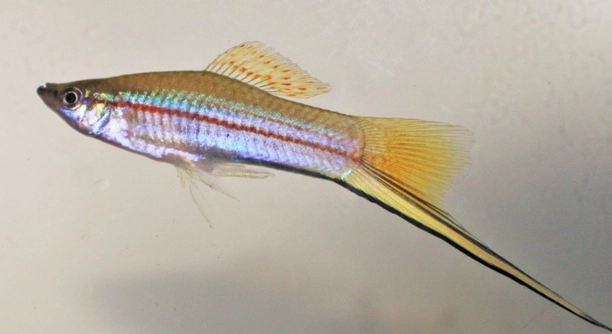
Swordtail fry are delicate creatures that require careful attention to survive. As they grow, they need the right environment and care to thrive. Keeping them healthy and safe can be a rewarding but challenging task for any fish keeper.
To keep swordtail fry alive, it’s crucial to provide a stable and clean environment, ensure proper water quality, and offer appropriate food. You should also be mindful of tank mates, as aggressive species can harm the fry. Regular monitoring of conditions is essential.
By following a few basic tips, you can increase the chances of your swordtail fry growing into strong, healthy fish. Proper care and attention can go a long way in ensuring their survival.
Maintain Optimal Water Conditions
Keeping your swordtail fry alive starts with the basics: clean, stable water. The water should be warm, slightly acidic, and free from harmful toxins. Aim for a temperature of around 76–80°F (24–27°C) and a pH between 7.0 and 7.5. Ammonia and nitrite levels should always be kept at zero, as even low amounts can cause stress or death.
Regular water changes are essential to keep the environment healthy. Change 25–30% of the water weekly to remove excess waste. You can also use a water filter to maintain a steady flow without creating strong currents that might harm the fry. Keeping the tank clean and monitoring the water parameters regularly is critical for their survival.
If you notice any changes in behavior, such as lethargy or reduced swimming, it could be a sign of water quality issues. Test the water often to ensure all conditions remain optimal. By staying on top of these water requirements, you’ll have a better chance of keeping your fry alive and healthy.
Provide Adequate Food
Fry need tiny, frequent meals. Feed them foods designed for small fish or baby fish. Keep portions small to avoid overfeeding.
Proper nutrition is important for healthy growth. Fry thrive on live foods like infusoria or crushed flake food, as these are easy to digest and packed with nutrients. You can gradually introduce more variety, like baby brine shrimp or daphnia. Feeding small amounts several times a day is essential to keep them strong. Avoid overfeeding to prevent waste buildup, which can affect water quality.
Avoid Aggressive Tankmates
It’s important to choose tank mates carefully. Swordtail fry are vulnerable, and aggressive fish can stress them or even eat them. Keep them with peaceful species that won’t harm them. Avoid large or territorial fish that might see the fry as food.
In the early stages, swordtail fry are small and fragile. Even the smallest of fish can pose a threat. Species like tetras, guppies, or small mollies make good tankmates, as they are peaceful and won’t disturb the fry. It’s also a good idea to keep the fry in a separate breeding tank if you’re concerned about aggression from other fish.
If you decide to include other fish, keep an eye on their behavior. If you notice any signs of aggression, like chasing or nipping, it may be time to separate them. A peaceful environment helps reduce stress and ensures the fry can grow without danger.
Use a Fine Mesh Net for Fry Protection
A fine mesh net can be useful for protecting swordtail fry from potential predators, including other fish. You can use it as a barrier within the tank to separate the fry from more aggressive species.
Having a net with tiny holes allows the fry to swim freely while keeping them safe. This is especially important if you don’t have a separate breeding tank. The mesh will also allow water to flow through, ensuring proper circulation while still keeping the fry protected. Make sure to place the net in an area with good water flow so the fry have enough oxygen.
The mesh netting can also provide hiding places, giving the fry a chance to escape if needed. This simple setup can dramatically reduce the chances of fry being eaten. It’s an easy way to create a safe space for them within the tank.
Provide Plenty of Hiding Spaces
Swordtail fry need places to hide, especially when they are first born. A well-planted tank with plenty of plants, rocks, or decorations will help keep them safe from potential predators. These hiding spots give them a chance to recover from any stress and grow stronger.
Plants like java moss, hornwort, or other fine-leaved plants are perfect for fry to hide in. The more plants and decorations you have, the better they can escape from the sight of other fish. Fry will feel more secure and less stressed, which promotes healthy growth.
When you add decorations, make sure there are no sharp edges that could hurt the fry. Small caves or hiding spots are ideal. A tank with good hiding spots will allow your fry to feel more comfortable and reduce their chances of being eaten.
Control Lighting for Fry Safety
Lighting in the tank should be soft and gentle. Too much light can stress the fry, while dim lighting can help them feel more secure. Swordtail fry are more sensitive to light than adult fish.
Aim for natural, indirect lighting. Avoid placing the tank in direct sunlight, which can cause sudden temperature changes or algae growth. Keep the lighting on a regular schedule to mimic a day and night cycle, which helps the fry feel more at ease. Low-light conditions allow them to hide and avoid being seen by other fish, especially during the first few weeks.
Be Mindful of Tank Temperature
The right water temperature is crucial for the survival of swordtail fry. Too cold or too hot water can weaken their immune system and cause stress. The optimal range for swordtail fry is between 76-80°F (24-27°C).
When the temperature fluctuates too much, the fry can become lethargic or even die. It’s important to use a reliable heater with a thermometer to maintain a stable temperature. Avoid placing the tank in areas with temperature extremes, like near windows or air conditioners, which could affect the fry’s health. A steady, warm environment will support healthy growth and development.
FAQ
How often should I feed swordtail fry?
Swordtail fry should be fed small amounts multiple times a day. Since they are growing rapidly, they require frequent feedings to maintain their energy levels. A good rule of thumb is to feed them 2-3 times a day, offering tiny portions they can consume within a few minutes. Be sure to remove any uneaten food after feeding to maintain good water quality.
Start with finely crushed flake food or specialized fry food. As they grow, you can introduce more variety, such as baby brine shrimp or daphnia. Keep the food particles small to match their tiny mouths. Overfeeding can lead to poor water conditions, so monitor the amount of food and adjust accordingly.
What should I do if my swordtail fry aren’t swimming?
If your swordtail fry aren’t swimming, it could be a sign of water quality issues or stress. Check the water temperature and pH levels to ensure they are within the ideal range. Poor water conditions are one of the most common reasons for lethargic fry.
Sometimes, swordtail fry may stay still due to being frightened by larger fish or bright tank lighting. Make sure there are plenty of hiding spots in the tank to provide them with a sense of security. If your fry are still not swimming, you can isolate them in a separate, calmer tank to monitor their recovery.
How can I tell if my swordtail fry are healthy?
Healthy swordtail fry should be active, swimming around the tank, and eating regularly. They should have clear, bright eyes and their bodies should appear smooth and intact. Any signs of discoloration, faded markings, or abnormal swimming patterns may indicate illness or poor water quality.
Check the fry frequently to make sure they aren’t showing signs of stress, such as clamped fins or lethargy. Fry that are consistently eating and swimming are usually a good sign of health. Regular water changes, proper feeding, and maintaining a clean environment are all factors that help keep the fry healthy.
Can I mix swordtail fry with adult swordtails?
Mixing adult swordtails with fry can be risky. Adult swordtails, especially males, may see the fry as food or could stress them with their territorial behavior. If you decide to keep adults and fry together, make sure there are plenty of hiding places for the fry to escape the adults’ attention.
A good alternative is to use a breeding net or separate tank for the fry until they are big enough to hold their own. This way, the fry can grow without the risk of being eaten. Once they are larger, you can gradually introduce them to the adult tank.
How do I prevent swordtail fry from being eaten by other fish?
To prevent swordtail fry from being eaten, create a safe environment with lots of hiding places, such as plants, rocks, or aquarium decorations. Fine-leaved plants like java moss work well for providing cover for small fry. A separate breeding tank or net can also be helpful in keeping them safe from adult fish.
It’s also important to choose peaceful tankmates. Avoid aggressive species, as they can target the fry. By controlling the tank’s environment and being cautious about which fish you add, you can reduce the risk of the fry being eaten.
Do I need to add anything special to the water for swordtail fry?
For swordtail fry, it’s important to maintain good water quality rather than adding anything special. Make sure the water is free from toxins like ammonia or nitrites. A reliable filtration system and regular water changes will keep the water clean and safe.
However, if you’re breeding swordtails and raising fry, you may want to add a gentle filter to prevent strong currents. This will ensure the fry are not swept away while still maintaining good water flow. Keep the water temperature within the recommended range, and avoid introducing any harsh chemicals or additives that could harm the fry.
When can I move swordtail fry to the main tank?
Swordtail fry can be moved to the main tank once they are large enough to avoid being eaten. Typically, this happens when they reach about 1 inch (2.5 cm) in length. At this size, they are less likely to be seen as food by adult swordtails.
Before transferring the fry, make sure the water conditions in the main tank are optimal and that there are no aggressive fish present. It’s also a good idea to monitor the fry closely for the first few days in the main tank to make sure they’re adjusting well and not being harassed by other fish.
How can I tell if my swordtail fry are male or female?
It can be hard to tell the difference between male and female swordtail fry early on. As they grow, males will develop longer, more pointed tails with a noticeable “sword” shape, while females will have shorter tails.
At around 3–4 months of age, you’ll start to see more obvious differences. Female swordtails tend to be larger and have a rounder, fuller body, while males are typically smaller and more slender. If you’re trying to separate them for breeding purposes, this is when it becomes easier to identify them.
Final Thoughts
Caring for swordtail fry requires patience and attention to detail, but the effort can be incredibly rewarding. By focusing on the right water conditions, feeding habits, and providing a safe environment, you can significantly improve the chances of your fry surviving and growing into healthy adults. A clean, stable tank with enough hiding places allows the fry to thrive without stress from aggressive tankmates or harsh conditions. Regular water changes and proper temperature control are also key to keeping your fry healthy.
One of the most important aspects of raising swordtail fry is monitoring their growth and development. In the first few weeks, they are extremely vulnerable and need constant care. As they grow, you can start introducing more variety into their diet and gradually allow them to mix with other fish in the tank. However, until they are large enough to defend themselves, it’s essential to keep them in a safe space where they aren’t at risk of being eaten or stressed out. A dedicated breeding tank or breeding net can make a significant difference during these early stages.
While caring for swordtail fry can seem challenging, it’s all about creating the right environment and being consistent. Over time, as you get used to their needs, raising swordtail fry can become a straightforward process. By following a few simple guidelines, like providing proper nutrition, maintaining clean water, and avoiding aggressive tankmates, you can help ensure that your fry grow strong and healthy. If you stay attentive to their care, you’ll soon see them flourish into adult swordtails, completing the life cycle you’ve helped nurture.

Hello,
If you enjoy the content that we create, please consider saying a "Thank You!" by leaving a tip.
Every little bit helps us continue crafting quality advice that supports the health, happiness, and well-being of pets around the world, for pets of all shapes, sizes, and species.
We really appreciate the kindness and support that you show us!