
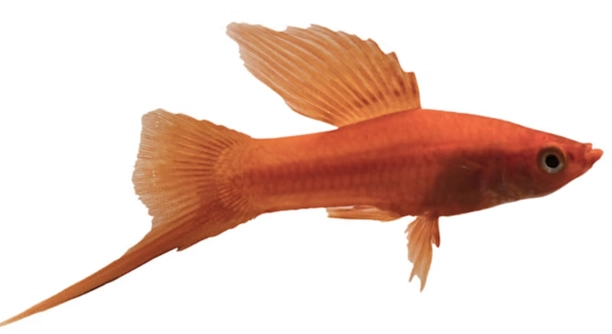
Swordtails are popular fish, often admired for their vibrant colors and active nature. However, ensuring their healthy growth requires attention to a few key factors. These tips can help boost your swordtail’s growth and overall health.
To encourage optimal growth in swordtails, it is crucial to provide a balanced diet, maintain proper water conditions, and reduce stress. Regular water changes, a varied diet, and proper tank mates can all contribute to healthy development.
Following these tips will support your swordtail’s growth, ensuring they thrive in your aquarium. Healthy habits and a suitable environment are key for their long-term well-being.
Provide a Balanced Diet
Swordtails need a balanced diet to grow to their full potential. A variety of high-quality fish food, such as pellets, flakes, and occasional live or frozen foods like brine shrimp or daphnia, will ensure they get the right nutrients. In addition, offering vegetables like spinach or zucchini can also provide essential vitamins and fiber. This variety helps in promoting strong growth, vibrant colors, and overall health.
A consistent feeding schedule is important. Feed them once or twice a day, ensuring they consume all food within a few minutes to avoid water contamination.
Overfeeding can be a problem, leading to water quality issues. Avoid leaving uneaten food in the tank for too long. Keep the diet varied to maintain the right balance of nutrients.
Maintain Optimal Water Conditions
Clean water is essential for swordtail growth. Regular water changes, ideally 25-30% per week, ensure the environment remains healthy. Swordtails prefer slightly acidic to neutral water, with temperatures between 72°F and 78°F. Keep an eye on ammonia, nitrite, and nitrate levels to prevent harmful spikes.
In addition to proper water chemistry, aeration and filtration are crucial. These keep the water oxygenated and free of toxins, creating an ideal environment for swordtails to thrive. Use a filter with appropriate flow to avoid stressing the fish while ensuring efficient water circulation.
Reduce Stress
Swordtails can grow more effectively when their environment is calm. Avoid overcrowding in the tank, as this can lead to aggression and stress, which negatively impacts growth. Make sure each fish has enough space to swim and thrive.
Tank decorations should be arranged to create hiding spots, giving the swordtails a sense of security. Ensure that other fish are compatible in terms of temperament and size. Aggressive species can disrupt the peaceful environment swordtails need.
Lighting is another factor that can contribute to stress. Keep the lighting gentle, as too much light or erratic light cycles can disturb their natural rhythm. Swordtails feel most comfortable in steady, moderate light.
Keep the Tank Clean
Maintaining a clean tank is essential for swordtail growth. Accumulated waste can pollute the water, impacting both water quality and fish health. Regularly clean the tank by removing debris from the substrate and wiping down the glass.
Also, keep up with the filter maintenance to ensure it’s working effectively. A dirty filter can result in poor water circulation and higher levels of toxins, both of which can stunt swordtail growth. Be mindful of the filter’s capacity, especially in larger tanks.
Using a gravel vacuum during water changes is a simple and effective method to remove waste that settles at the bottom. Keeping the tank clean minimizes the risk of disease, contributing to stronger, healthier swordtails.
Avoid Aggressive Tank Mates
Swordtails thrive when housed with peaceful tank mates. Aggressive or overly active fish can stress them out, leading to poor growth. Select species that are not territorial and avoid fish that are known to be aggressive, such as cichlids.
Maintaining a peaceful community setup reduces stress and encourages healthy swordtail growth. Make sure all fish in the tank are similar in size and temperament to prevent bullying or competition for food.
Provide Proper Tank Size
Swordtails need space to swim freely, which contributes to their health and growth. A tank of at least 20 gallons is recommended for a small group of swordtails. This gives them ample room to explore and reduces the risk of territorial behavior.
A larger tank also provides more stable water conditions, making it easier to maintain proper temperature and water chemistry. Overcrowding leads to stress and poor water quality, hindering their growth.
FAQ
How often should I feed my swordtails?
Swordtails should be fed once or twice a day. Offer small portions of food that they can eat within a few minutes to avoid overfeeding. Their diet should include a variety of foods, including high-quality pellets, flakes, and occasional live or frozen foods like brine shrimp and daphnia.
What is the best water temperature for swordtails?
Swordtails prefer water temperatures between 72°F and 78°F (22°C – 26°C). Keeping the water within this range supports their immune system, encourages growth, and prevents stress. Use a reliable aquarium heater to maintain a stable temperature, especially during colder months.
Can swordtails live with other fish?
Yes, swordtails can live with other peaceful fish. They are generally non-aggressive, but it’s important to avoid species that may be too aggressive or territorial. Other livebearers, tetras, or peaceful bottom dwellers make good tank mates for swordtails.
How do I know if my swordtail is stressed?
Signs of stress in swordtails include faded colors, erratic swimming, hiding more than usual, or refusing to eat. Stress can be caused by poor water quality, overcrowding, or incompatible tank mates. Addressing these issues promptly can help alleviate the stress.
Do swordtails need a filter?
Yes, a filter is essential for maintaining clean water. Swordtails are sensitive to water quality, and a good filter helps remove toxins, waste, and excess food. Make sure the filter provides gentle water flow, as too much current can stress out the fish.
What should I do if my swordtail has fin rot?
If you notice signs of fin rot, such as frayed fins or discolored areas, it’s important to act quickly. Isolate the affected fish in a separate tank with clean water, and treat with a mild antibacterial medication. Check water parameters and keep the tank clean to prevent further infection.
How can I tell if my swordtail is pregnant?
Pregnant swordtails will show signs like a rounded belly or a dark spot near the back of the abdomen, which is the developing fry. You may also notice the fish acting slightly slower and hiding more often. Swordtails are livebearers and give birth to free-swimming fry.
What is the lifespan of a swordtail?
Swordtails generally live for 3 to 5 years if cared for properly. Providing a stable environment, proper diet, and maintaining good water quality will help extend their lifespan. Stress, poor water conditions, or disease can shorten their lifespan significantly.
Can swordtails be kept in a community tank?
Swordtails are peaceful fish and can be kept in a community tank with other non-aggressive species. Be mindful of their size and avoid keeping them with overly aggressive or large fish. Proper tank size and the right combination of fish will ensure a peaceful environment for all.
How often should I change the water in my swordtail tank?
Regular water changes are crucial for maintaining healthy water conditions. Aim to change about 25-30% of the water every week. This helps remove waste, excess nutrients, and toxins that can accumulate over time, ensuring your swordtails stay healthy and grow properly.
What size tank do swordtails need?
A tank of at least 20 gallons is recommended for a small group of swordtails. A larger tank is better for maintaining stable water conditions and reducing stress. Swordtails are active swimmers and need plenty of space to thrive. Overcrowding can stunt their growth and harm their health.
Why are my swordtails not growing?
If your swordtails are not growing, it could be due to poor water quality, inadequate diet, or stress. Ensure that you are providing a balanced diet, maintaining proper water conditions, and minimizing stress factors in their environment. Regular water changes and a suitable tank size also contribute to healthy growth.
Can I breed swordtails in my aquarium?
Yes, swordtails are easy to breed in a well-maintained aquarium. To breed them, simply ensure the male and female are kept together in a tank with clean water and a suitable environment. Swordtails are livebearers, so the female will give birth to live young, which can be cared for in a separate tank if needed.
How do I care for swordtail fry?
Swordtail fry are small and vulnerable when born. They should be kept in a separate breeding tank with fine mesh to prevent the adults from eating them. Provide them with finely crushed food or specialized fry food to ensure proper growth. Keep the water clean and stable to prevent disease.
What water parameters should I aim for in my swordtail tank?
Swordtails prefer slightly acidic to neutral water with a pH between 7.0 and 8.0. Ammonia and nitrite levels should always be at zero, while nitrates should stay below 20 ppm. Regularly test water parameters to ensure a healthy environment for your swordtails.
Do swordtails need a lot of plants in their tank?
While swordtails don’t require a heavily planted tank, having a few plants provides shelter and improves water quality by absorbing excess nutrients. Live plants like Java Fern or Anubias can help create a natural environment and reduce stress for your swordtails.
What temperature fluctuations can swordtails tolerate?
Swordtails are fairly hardy but should not be exposed to sudden temperature changes. Keep their water temperature between 72°F and 78°F (22°C – 26°C) for optimal growth. Minor fluctuations are acceptable, but drastic changes can cause stress and illness. Use a heater to maintain consistent temperature.
Final Thoughts
Proper care and a healthy environment are key factors in promoting the growth of swordtails. Keeping their tank clean, maintaining the right water conditions, and providing a balanced diet will help swordtails grow at their best. Regular water changes and proper filtration are essential in maintaining good water quality, as swordtails are sensitive to poor water conditions. By creating a peaceful and stress-free environment, swordtails are more likely to thrive and grow faster.
In addition to water quality and tank size, the choice of tank mates plays a significant role in swordtail growth. Aggressive or incompatible fish can cause stress, which negatively impacts growth. Choosing peaceful species that share similar care needs is important for creating a harmonious tank. Swordtails are best kept with other non-aggressive fish and should not be overcrowded. The tank should have enough space for each swordtail to swim freely and establish its territory, which helps prevent competition and aggression.
Lastly, maintaining a stable environment is crucial. Swordtails are sensitive to drastic changes in water temperature, lighting, and other environmental factors. A consistent temperature between 72°F and 78°F (22°C – 26°C) helps them grow well. Providing proper lighting and a tank that replicates their natural habitat, with hiding spots and gentle water flow, will also reduce stress. Swordtails are hardy fish, but keeping them in a well-maintained tank with minimal stress and a balanced diet is the best way to ensure healthy growth and a long, happy life.

Hello,
If you enjoy the content that we create, please consider saying a "Thank You!" by leaving a tip.
Every little bit helps us continue crafting quality advice that supports the health, happiness, and well-being of pets around the world, for pets of all shapes, sizes, and species.
We really appreciate the kindness and support that you show us!