
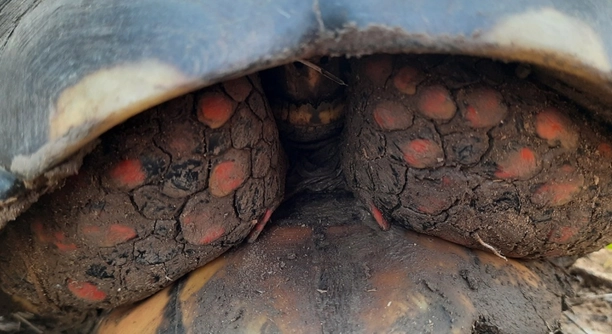
Owning a red-footed tortoise for the first time is an exciting experience. These unique creatures make fascinating pets, but they require special care. Knowing how to properly care for them will ensure they thrive in your home.
The key to a successful red-footed tortoise ownership lies in providing the right habitat, diet, and care routine. Ensuring proper humidity, temperature, and adequate space for them to roam will keep them healthy and content.
With the right environment and diet, your red-footed tortoise can thrive for many years. Read on for essential tips that will help you care for your new pet properly.
Create the Right Habitat
The red-footed tortoise needs a space where they can feel safe and comfortable. A large enclosure is essential, ideally 4×6 feet for one adult tortoise. Inside, you’ll need a substrate like coconut coir or soil, which should be kept slightly moist to help them stay hydrated. Make sure the area is warm and has areas for basking. You can use heat lamps and UVB bulbs to mimic the natural sunlight they need for vitamin D3 production. Keep in mind that red-footed tortoises are used to humid environments, so maintaining the right moisture is important.
The enclosure should have a hiding spot, whether it’s a simple log or a plant, for your tortoise to retreat and feel secure. Providing a place for them to dig or burrow can also be beneficial for their well-being.
Without a proper setup, your tortoise can become stressed, which may lead to health issues. Make sure the enclosure is escape-proof to avoid any accidents. Regularly clean the habitat to keep it free of mold or bacteria.
Provide a Proper Diet
Red-footed tortoises are primarily herbivores, so offering a variety of leafy greens and vegetables is key. They love dandelion greens, collard greens, and kale, as well as fruits like papaya, mango, and strawberries. Avoid feeding them iceberg lettuce, as it offers little nutritional value.
It’s important to balance their diet with a mix of fiber, calcium, and protein. Offer them high-fiber plants to help digestion. You can also sprinkle calcium powder on their food a few times a week to support their shell health. It’s wise to avoid too many high-protein foods, as it could cause kidney problems over time.
Water should always be available, preferably in a shallow dish, so they can drink freely. Some tortoises also enjoy soaking in water, which helps with hydration and keeping their skin healthy. Be sure to change the water daily to keep it clean.
Monitor Temperature and Humidity
Red-footed tortoises thrive in warm and humid conditions. The temperature inside their habitat should range from 75°F at night to 85°F during the day. Basking areas should be slightly warmer, around 90°F. You can use a heat lamp to achieve these temperatures.
Maintaining the right humidity is also crucial. Keep the humidity levels between 60% and 80% by misting the enclosure daily or using a humidity box. A dry environment can lead to respiratory issues or shell problems. If the air gets too dry, consider using a humidifier to help.
Make sure there is a temperature gradient in their habitat so your tortoise can move between warm and cooler areas as needed. Regularly monitor the temperature and humidity with reliable thermometers and hygrometers.
Avoid Overfeeding
It’s easy to overfeed a tortoise, especially since they enjoy their food. However, overfeeding can lead to obesity, which can cause long-term health problems like shell deformities or difficulty moving. Make sure to feed them the right portion size.
A good rule of thumb is to give your tortoise enough food to last 20-30 minutes per feeding session. If there’s food left over after this time, you’re likely offering too much. Always remove any uneaten food after a meal to prevent spoilage and unwanted pests.
Regularly Check for Health Issues
Even with the right care, health problems can arise. Check your tortoise regularly for signs of illness, such as lethargy, changes in appetite, or abnormal behavior. A healthy tortoise should be active and eating well.
Look for clear eyes and a smooth, well-formed shell. If you notice signs of infection or injury, it’s important to consult a vet who specializes in reptiles. Early detection of health issues can prevent more serious conditions down the road.
Ensure Proper Lighting
UVB lighting is essential for red-footed tortoises. Without it, they can develop metabolic bone disease due to a lack of vitamin D3. Make sure to provide a UVB light source for around 12 hours a day, simulating natural sunlight. Replace the bulb every 6 months.
Tortoises need both UVA and UVB light to maintain proper health. UVA helps regulate their behavior and appetite, while UVB helps them absorb calcium. Make sure the UVB bulb is placed close enough to them for effective exposure.
FAQ
How big does a red-footed tortoise get?
Red-footed tortoises can grow up to 16 to 18 inches in length and typically weigh between 10 to 20 pounds. Males tend to be slightly larger than females. It’s important to plan for a spacious habitat as they grow, providing enough room for movement and proper care.
How long do red-footed tortoises live?
Red-footed tortoises can live for 50 years or more with proper care. This long lifespan is one reason why owning one requires serious commitment. Ensure you’re ready to take care of them for decades by providing the right environment, diet, and attention throughout their life.
What temperature is best for a red-footed tortoise?
The ideal temperature for a red-footed tortoise ranges between 75°F and 85°F during the day. At night, they can tolerate slightly cooler temperatures, around 70°F. It’s important to have a temperature gradient in their habitat, allowing them to choose where they feel most comfortable.
How do I know if my tortoise is healthy?
A healthy red-footed tortoise will be active, eat regularly, and have a smooth, uncracked shell. Their eyes should be clear, and they shouldn’t show signs of lethargy or difficulty moving. If your tortoise seems inactive or doesn’t eat, it might be time for a vet visit.
Can red-footed tortoises eat fruit?
Yes, red-footed tortoises can eat fruits, but only in moderation. They enjoy tropical fruits like papaya, mango, and strawberries. However, fruits are high in sugar, so they should be offered as treats rather than a main part of their diet. Too much fruit can lead to digestive problems.
Do red-footed tortoises need a soaking bath?
Yes, red-footed tortoises enjoy soaking in water, which helps with hydration and overall health. You can offer a shallow dish of water for them to soak in. It also aids in shedding their scutes (the outer shell layers) and helps prevent dehydration, especially in dry environments.
Can red-footed tortoises be kept outdoors?
Red-footed tortoises can live outdoors, but only if the climate is suitable. They thrive in warm, humid environments. If you live in a place where temperatures drop too low, they should be kept indoors. Outdoors, their habitat should be secure, with plenty of shade and access to fresh water.
How often should I feed my red-footed tortoise?
Feed your tortoise every other day. Offer enough food to last them 20 to 30 minutes, then remove any leftover food. It’s important to provide a variety of leafy greens, vegetables, and occasional fruits. This ensures they get the nutrients they need without overfeeding.
Can red-footed tortoises live with other pets?
While red-footed tortoises can be kept with other reptiles, it’s essential to monitor their interactions carefully. They may not always get along with other pets, especially more aggressive animals or species with different care requirements. Always make sure the other pets won’t harm or stress the tortoise.
How do I clean my red-footed tortoise’s enclosure?
Clean your tortoise’s enclosure regularly to prevent mold and bacteria build-up. Remove uneaten food and waste daily. Every few weeks, deep clean the entire habitat by removing the substrate, washing it thoroughly, and disinfecting the enclosure. Make sure everything is dry before reassembling it.
What kind of substrate should I use for a red-footed tortoise?
A good substrate for red-footed tortoises is one that holds moisture but isn’t too wet. Coconut coir, organic topsoil, or a mix of both works well. You want it to be soft enough for digging, but not too sandy, as it may cause digestion issues if ingested.
Can I handle my red-footed tortoise?
Yes, you can handle your tortoise, but they prefer not to be picked up often. They are not as interactive as some other pets. When you do handle them, be gentle and avoid stressing them out. Always support their entire body, especially their shell, to avoid injury.
What should I do if my tortoise isn’t eating?
If your tortoise stops eating, it could be due to stress, improper temperature, or a health issue. Check their environment first to ensure the temperature and humidity are correct. If there’s no improvement after making adjustments, a visit to a reptile vet is recommended.
How do I provide UVB lighting for my red-footed tortoise?
UVB lighting is crucial for red-footed tortoises to metabolize calcium and keep their shells healthy. Use a UVB bulb designed for reptiles and position it 6 to 12 inches above the tortoise’s basking spot. Keep the light on for about 12 hours per day to mimic natural sunlight.
Do red-footed tortoises need a companion?
Red-footed tortoises don’t need a companion, but they can tolerate living with others of their species. If you choose to keep more than one, make sure each tortoise has enough space. Male tortoises can be territorial, so be mindful of their behavior to avoid aggression.
What is the best way to bathe my tortoise?
To bathe your red-footed tortoise, use a shallow container with lukewarm water. Let them soak for 15 to 20 minutes to help with hydration and to encourage shedding. Make sure the water level doesn’t cover their head, as they need to breathe easily.
Can red-footed tortoises eat weeds?
Yes, red-footed tortoises can eat some safe weeds. Dandelions, clover, and plantain are all great options. These weeds are rich in nutrients and fiber, making them an excellent addition to your tortoise’s diet. Just ensure that any plants you feed them haven’t been treated with pesticides.
Final Thoughts
Caring for a red-footed tortoise can be a rewarding experience, but it does require time, effort, and commitment. These animals live for many years, and their care needs are specific to ensure they remain healthy and happy. Providing the right habitat, diet, and environmental conditions is essential for their well-being. When done properly, your tortoise can become a long-term companion, thriving in the space you’ve created for them.
It’s important to be mindful of the details, such as temperature, humidity, and lighting, which directly affect your tortoise’s health. Regular monitoring of their environment and their behavior is key to catching any issues early. Tortoises are creatures of habit, so keeping their habitat clean and maintaining a consistent routine will help them feel safe and secure. Having a well-balanced diet with proper nutrients, like calcium, fiber, and occasional fruits, will contribute to their overall health. Overfeeding or underfeeding can lead to problems, so portion control is also something to keep in mind.
Taking care of a red-footed tortoise is not just about meeting their physical needs but also understanding their natural behaviors. They aren’t as interactive as some pets, but they can still be a fascinating part of your life. Their long lifespan means you’ll be their caretaker for many years, which is a big responsibility. However, with proper care, red-footed tortoises can become a fulfilling part of your home, bringing their unique charm and personality into your daily life. If you’re ready for the commitment, they can be a rewarding pet for years to come.

Hello,
If you enjoy the content that we create, please consider saying a "Thank You!" by leaving a tip.
Every little bit helps us continue crafting quality advice that supports the health, happiness, and well-being of pets around the world, for pets of all shapes, sizes, and species.
We really appreciate the kindness and support that you show us!