
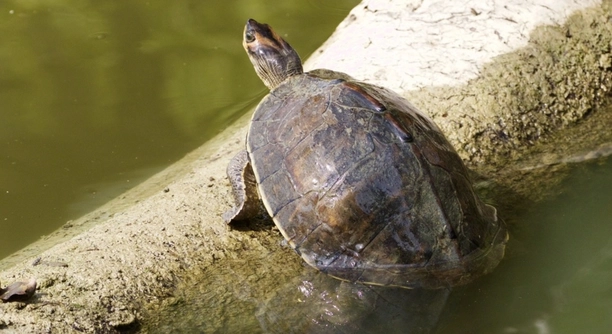
Finding the right temperature for your Indian Roofed Tortoise is crucial for its health and well-being. This species thrives in specific conditions, and understanding the ideal range can help you provide the best environment for your pet.
The ideal temperature range for an Indian Roofed Tortoise is between 80°F to 90°F (27°C to 32°C) during the day, with a slight drop at night to around 70°F to 75°F (21°C to 24°C). Proper temperature control ensures optimal health.
Maintaining the right temperature is vital for your tortoise’s behavior and digestion. Understanding these ranges will help you create a suitable habitat for your tortoise’s long-term health.
Understanding the Importance of Temperature for Indian Roofed Tortoises
The temperature in your tortoise’s habitat significantly impacts its health. Tortoises are ectothermic, meaning they rely on external temperatures to regulate their body heat. Without proper temperature management, they can experience stress, digestive issues, and reduced immunity. The right heat allows your tortoise to stay active, feed regularly, and even reproduce.
In the wild, Indian Roofed Tortoises thrive in warm, tropical environments. Therefore, replicating these conditions at home is crucial. If temperatures are too low, they may become lethargic, leading to a weakened immune system.
Temperature fluctuations affect their digestion and overall well-being. For example, when temperatures are too low, the tortoise’s metabolism slows down, affecting its ability to process food properly. This can lead to weight loss and other health complications. On the other hand, excessive heat can lead to dehydration and heat stress. Ensuring that you maintain a stable and appropriate temperature range is key to your tortoise’s long-term health.
Nighttime Temperature Ranges
At night, the temperature should be slightly cooler, falling between 70°F to 75°F. This drop simulates natural conditions, helping the tortoise rest comfortably.
During nighttime, a drop in temperature allows your tortoise to relax and recover. Providing a gradual decrease in heat encourages healthy sleep patterns and aids in maintaining its circadian rhythm.
Creating a Stable Temperature Environment
It’s essential to provide a stable temperature in your tortoise’s enclosure. Consistency helps your tortoise feel secure and active. Any sudden temperature drops or spikes can cause unnecessary stress. Use reliable thermometers to monitor temperature levels.
Investing in a quality heat source, like a basking lamp, is crucial for maintaining daytime warmth. Position it properly to ensure the tortoise can move between warmer and cooler areas as needed. Also, ensure the enclosure has enough ventilation. This allows for a balanced temperature gradient, where the tortoise can move to cooler spots if it gets too hot.
A digital thermostat can help maintain temperature stability. It controls the heat source, preventing overheating. Always double-check that the heat source does not get too close to your tortoise. Proper distance is necessary to avoid burns. Lastly, place a ceramic heat emitter or a night-time bulb for nighttime warmth.
Using Heat Lamps and Other Heat Sources
Heat lamps are a go-to solution for heating tortoise enclosures. They provide direct heat to a specific basking area, offering a warm spot for the tortoise to soak up energy.
Besides lamps, ceramic heat emitters work well as they don’t emit light but provide consistent warmth. These can be helpful if your tortoise needs additional warmth during the night. Always use heat sources that are safe and designed for reptile use. For the best results, monitor the temperatures regularly with a thermometer placed at different spots in the enclosure.
Proper Basking Spot
Ensure your tortoise has a designated basking spot with a temperature between 90°F and 95°F. This area allows your tortoise to regulate its body temperature effectively.
Use a heat lamp or a basking bulb to create this zone. Place the lamp in a way that gives your tortoise space to move closer or farther from the heat.
The basking spot is essential for digestion and overall health. Your tortoise needs this area to warm up its body after cooler periods. Without a proper basking spot, the tortoise might struggle with energy levels, affecting its behavior.
Cooling Down
The temperature in cooler areas should be between 75°F and 80°F. These zones offer a break from the heat, allowing your tortoise to regulate its body temperature.
Ensure your tortoise can access these cooler areas as it needs variety in temperature for optimal health. It will appreciate the choice of environments.
FAQ
What happens if my Indian Roofed Tortoise is kept in temperatures that are too low?
If your tortoise is exposed to temperatures below the ideal range, it can become sluggish, stop eating, and experience slower digestion. Prolonged exposure to cold can weaken its immune system, making it more susceptible to illness. Low temperatures can also lead to respiratory infections. It’s crucial to maintain the right warmth to prevent these health issues.
Can I use a heat mat to warm my Indian Roofed Tortoise’s enclosure?
Heat mats are generally not recommended for Indian Roofed Tortoises, as they only warm the surface. Tortoises need warmth from above, as they would receive from the sun in the wild. A heat lamp or basking bulb will provide the proper warmth. However, a heat mat can be used for creating a warm substrate, but it shouldn’t be the primary heat source.
Is it okay to let the temperature in my tortoise’s enclosure fluctuate during the day?
Minor fluctuations are normal and mimic natural environments. However, the temperature should stay within the optimal range. Drastic fluctuations or prolonged periods of extreme temperatures can stress your tortoise, affecting its health and behavior. It’s essential to have a controlled temperature system to avoid any sudden changes.
Can Indian Roofed Tortoises handle high humidity?
Indian Roofed Tortoises do well in a moderately humid environment. Humidity levels should be kept around 50-60%. Excess humidity can lead to respiratory issues, while too little can cause dehydration and skin shedding problems. It’s important to monitor both temperature and humidity levels to keep your tortoise comfortable.
What should I do if the temperature in my tortoise’s enclosure is too high?
If the temperature exceeds the ideal range, it’s important to move your tortoise to a cooler area immediately. Overheating can cause dehydration, heat stress, and even organ damage. Ensure that your heat sources are placed properly and use a thermometer to check the temperature regularly. If necessary, lower the heat source or turn it off for a period.
How do I know if my tortoise is too cold?
A tortoise that is too cold will appear lethargic, slow-moving, and may not eat. It could hide in its shell more often than usual. Cold temperatures can affect digestion and metabolism, so if your tortoise is inactive, it’s important to check the temperature in the enclosure and make adjustments. Make sure it has access to warm spots to regulate its body temperature.
Do I need a night-time heat source for my Indian Roofed Tortoise?
Yes, providing a low heat source at night is important, especially in cooler climates. Indian Roofed Tortoises require consistent warmth throughout the day and night. If temperatures drop below 70°F, consider using a ceramic heat emitter or another non-light-producing heat source. This will ensure your tortoise remains comfortable and does not experience any drastic temperature changes overnight.
Can I use a thermometer to monitor the temperature?
Yes, using a thermometer is essential for maintaining the right temperature for your tortoise. You should have at least two thermometers in the enclosure—one near the basking spot and one in the cooler area. This helps you monitor both temperature zones to ensure your tortoise has access to the right conditions.
Is it safe to use a heat lamp during the night?
It is not ideal to use a heat lamp at night, as the light can disturb your tortoise’s natural sleep cycle. Instead, opt for a ceramic heat emitter, which provides warmth without emitting light. This allows your tortoise to rest undisturbed while still receiving the necessary warmth during the cooler nighttime hours.
How can I adjust the temperature in my tortoise’s enclosure?
You can adjust the temperature in the enclosure by changing the type of heat source, adjusting the distance between the heat source and the tortoise, or adjusting the room temperature. If your enclosure has a thermostat, it can help maintain a stable temperature. Regularly check temperature levels to ensure they remain within the optimal range.
Should I worry about humidity affecting the temperature?
Humidity doesn’t directly affect temperature, but the two are related in maintaining a healthy environment. High humidity can cause excessive heat retention, raising temperatures in the enclosure. Conversely, low humidity can cause the environment to feel cooler. It’s important to maintain both temperature and humidity at optimal levels to keep your tortoise comfortable.
Final Thoughts
Maintaining the proper temperature range for your Indian Roofed Tortoise is crucial for its health and well-being. A stable environment helps your tortoise stay active and thrive. Temperature regulation plays a significant role in digestion, metabolism, and overall comfort. It is essential to ensure that both the basking area and cooler spots are within the recommended temperature ranges. By investing in reliable heat sources, thermometers, and thermostats, you can create an optimal habitat that promotes your tortoise’s health.
In addition to temperature, remember that humidity also plays a role in your tortoise’s comfort. A balance of humidity and temperature will help prevent issues like dehydration or respiratory problems. You should regularly check both factors to ensure the environment is suitable. Using the right type of heating equipment, such as basking bulbs or ceramic heat emitters, ensures your tortoise gets the warmth it needs without the risk of overheating. Consistent monitoring and adjustments can make a big difference in maintaining a stable and healthy habitat.
Lastly, remember that every tortoise is unique, and its needs may slightly vary depending on its age, size, and activity level. Observing your tortoise closely will help you understand what works best for it. While temperature control is vital, providing variety in its environment, such as safe hiding spots and a balanced diet, also contributes to its overall health. Maintaining the right temperature is not just about warmth, but about creating an environment where your tortoise can live comfortably and naturally.

Hello,
If you enjoy the content that we create, please consider saying a "Thank You!" by leaving a tip.
Every little bit helps us continue crafting quality advice that supports the health, happiness, and well-being of pets around the world, for pets of all shapes, sizes, and species.
We really appreciate the kindness and support that you show us!