
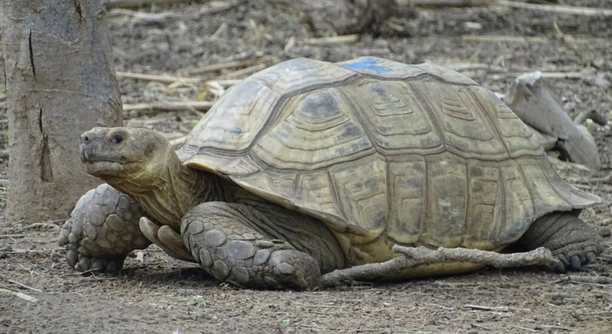
Tortoises can be shy and defensive, especially when they feel threatened. Learning how to handle these moments can help your pet feel more at ease and secure around you. This guide will help you manage your tortoise’s nervous behavior.
To handle a nervous or defensive tortoise, the key is to stay calm and approach slowly. Using positive reinforcement and allowing your tortoise time to adjust to new environments helps reduce anxiety and fear. Keep your movements gentle and predictable.
By following the right techniques, you’ll build trust with your tortoise. Understanding the proper approach can help them feel comfortable and safe.
Understanding Your Tortoise’s Behavior
Tortoises can often seem distant or nervous, especially in new environments or when they feel threatened. This behavior is normal and part of their natural instincts. Wild tortoises are used to being cautious and defensive to avoid predators. When they feel unsafe, they retreat into their shells or freeze, trying to remain unnoticed. Over time, this defensive posture can become a habit, even in captivity. The more we understand this, the better we can help them adjust to their surroundings. Approaching them with patience and respect will ensure a calm and trusting bond over time.
It’s important to recognize that tortoises don’t react like other pets. Their instinct is to stay safe and hidden when frightened. This can make handling a bit tricky.
Building trust with a nervous tortoise takes time and effort. Don’t rush things, and allow your pet to move at its own pace. Start by sitting quietly near them and letting them come to you. Gradually increase your interaction time, but never force them to be handled until they seem comfortable. With time, your tortoise will begin to trust you more, and the nervous reactions will lessen.
Creating a Calm Environment
A calm environment plays a significant role in reducing stress for your tortoise. If they feel safe in their habitat, they’ll be less likely to react defensively. Make sure their enclosure is quiet and secure, away from loud noises and fast movements. Providing hiding spots in the enclosure can help your tortoise feel more at ease.
Tortoises thrive in stable, peaceful environments. A consistent routine with minimal disruptions will give them confidence. Make sure the temperature, lighting, and humidity are just right for their species. Keeping everything steady allows them to focus on eating and relaxing instead of being constantly alert.
Slow and Steady Movements
When handling a nervous tortoise, slow and steady movements are essential. Quick or sudden gestures can startle them and increase their stress. Approach your tortoise with care, keeping your hands relaxed and close to the ground to avoid alarming them. This makes them feel safer.
By moving slowly, you give your tortoise time to assess the situation. If you approach too fast, they might retreat into their shell or become defensive. A calm, unhurried approach will allow them to understand you’re not a threat. Always let them observe you for a while before picking them up, and avoid making abrupt gestures. This method builds trust over time.
Tortoises also respond better to gentle touches. If you need to pick them up, make sure to support their body properly. Holding them too tightly can make them feel trapped and anxious. Let them crawl onto your hands instead of grabbing them. This provides them with control and reduces their stress levels. Over time, they’ll learn that being handled gently isn’t a threat.
Positive Reinforcement
Positive reinforcement is a helpful tool in reducing a tortoise’s nervousness. When your tortoise remains calm during handling, reward them with a small treat. This teaches them that staying calm leads to a positive outcome, encouraging similar behavior in the future. Consistency is key.
Start by offering a treat like leafy greens or fruit after each successful interaction. Over time, your tortoise will associate calm behavior with rewards, making them more willing to interact with you. It’s important to be patient and consistent with rewards. Never punish or force them, as this can lead to increased fear or defensive behavior. Let them make the connection themselves.
As your tortoise becomes more comfortable, they’ll look forward to these positive experiences. With enough reinforcement, their nervousness will decrease, and their behavior will improve. A calm and trusting relationship forms over time, where your tortoise sees handling as a positive experience.
Avoid Overhandling
Overhandling a nervous tortoise can make them more stressed and wary. It’s important to know when to give them space. If your tortoise seems uncomfortable, back off and let them relax in their enclosure. Handling them too much can push them into a defensive state.
Allow your tortoise to adjust at their own pace. Keep sessions short, especially when they’re still getting used to being handled. Frequent, gentle interactions will help them learn to trust you, but overdoing it can have the opposite effect. Let your tortoise choose when to engage. This will reduce their stress and help them feel more secure.
Handling and Picking Up Techniques
When it’s time to pick up your tortoise, support their body fully, especially their legs and shell. Never lift them by their tail or head, as this can cause discomfort or injury. A secure grip is important but avoid holding them too tightly. Always be gentle.
If your tortoise seems uneasy, try letting them crawl into your hands rather than grabbing them. This gives them a sense of control and reduces their anxiety. Once they’re comfortable with being held, you can begin increasing the length of time you spend with them. Patience is key here.
Routine and Consistency
Creating a consistent routine can help ease a tortoise’s nerves. When they know what to expect, they feel safer. Keep feeding, handling, and cleaning times the same each day. This predictability helps reduce stress.
By sticking to a routine, you build trust and security. Your tortoise will begin to feel comfortable with the environment and daily activities. It can take time for them to adjust fully, but consistency will eventually help them relax. The more stable and predictable their surroundings, the less anxious they will become.
FAQ
Why is my tortoise so nervous?
Tortoises are naturally cautious animals, and their nervousness is often a result of their instinct to stay safe from potential predators. In captivity, your tortoise may feel threatened by unfamiliar sounds, movements, or environments. If your tortoise is new to your home, it’s normal for them to be nervous as they adjust to their new surroundings. Older tortoises that are used to being handled may still show signs of anxiety if there are changes in their routine or environment. It’s important to give them time to get used to you and their new home.
How can I tell if my tortoise is stressed?
Signs of stress in a tortoise can include hiding in their shell, not eating, or being overly defensive. If your tortoise tries to escape or acts aggressively when approached, it’s a clear indication that they are stressed. If they seem to be moving around aimlessly or spending too much time in hiding, they could be trying to cope with their anxiety. Changes in their eating or bathroom habits can also signal stress. It’s crucial to monitor your tortoise’s behavior and adjust their environment if needed.
How do I reduce my tortoise’s anxiety when handling them?
To reduce anxiety, approach your tortoise slowly and calmly. Avoid sudden movements, and always support them properly when you pick them up. Allow them time to adjust to your presence without forcing them into interactions. Positive reinforcement, like offering treats after calm behavior, helps them associate handling with a pleasant experience. Keep handling sessions short at first and gradually increase the length as they become more comfortable. Always ensure their environment is calm and predictable, as changes in their surroundings can cause stress.
How often should I handle my tortoise?
Handling should be kept to a minimum, especially if your tortoise is nervous. Start with brief sessions and gradually increase the time as they get more comfortable. It’s best to handle them only a few times a week, especially in the beginning. If your tortoise is already showing signs of anxiety, limit handling until they settle down. Overhandling can cause stress and hinder their ability to adjust. Always ensure that their basic needs, like food, temperature, and shelter, are prioritized over frequent handling.
Can I train my tortoise to be less nervous?
Yes, with patience and consistency, you can help your tortoise become less nervous. Using positive reinforcement, like offering a treat after calm behavior, can teach them that being handled is a positive experience. Gradual exposure to handling and a consistent routine will help them feel more secure. Never force your tortoise to interact with you, as this can cause them to become more defensive. Over time, they will learn to associate you with positive experiences rather than fear.
Is it okay to let my tortoise roam around the house?
Allowing your tortoise to roam around the house can be stressful for them, especially if they’re nervous. It’s best to let them explore in a controlled environment like an enclosed area or a secure outdoor space. The unfamiliar sights, sounds, and smells of a house can overwhelm them. If you do allow them to roam, make sure the area is safe and free of hazards. Always supervise them to ensure they don’t get lost or hurt. Creating a designated play area can help reduce stress while giving your tortoise some freedom.
What should I do if my tortoise won’t eat?
If your tortoise refuses to eat, it could be a sign of stress, illness, or environmental issues. Check if the temperature, lighting, and humidity in their enclosure are ideal for their species. If everything seems fine, consider offering different foods to entice them. Make sure their food is fresh and varied to encourage appetite. If they continue to refuse food for more than a few days, consult a veterinarian to rule out any health problems. Stress from handling or environmental changes can also cause a loss of appetite.
How can I make my tortoise feel safer in its enclosure?
To make your tortoise feel safer, provide plenty of hiding spots in their enclosure. Tortoises often feel more secure when they have places to retreat to when they feel stressed. Ensure their habitat is quiet and free of sudden noises or disturbances. Consistent lighting, temperature, and humidity are essential for their comfort. Avoid placing the enclosure in high-traffic areas or near windows where outside animals or loud noises can create stress. Keeping a steady routine will also help your tortoise feel more secure and comfortable.
Is it okay if my tortoise hides in its shell a lot?
It’s normal for tortoises to retreat into their shells when they feel threatened or stressed. However, if your tortoise is hiding excessively, it could be a sign of anxiety or illness. Check for other signs of stress, like a change in eating habits or behavior. If your tortoise continues to hide for long periods, ensure that their environment is not too noisy or overwhelming. If their shell retraction is accompanied by other concerning symptoms, like lethargy or loss of appetite, consider consulting a veterinarian.
Can my tortoise get used to being handled if they are older?
Older tortoises can become accustomed to handling, but it may take longer than with younger ones. They may already have established habits or fears, making them more resistant to change. However, with patience and consistent positive reinforcement, older tortoises can still learn to tolerate handling. Keep sessions short and calm, and always respect their boundaries. Over time, they may begin to associate handling with comfort and safety.
Final Thoughts
Handling a nervous or defensive tortoise requires patience and understanding. Tortoises are naturally cautious creatures, and their instincts are to protect themselves from perceived threats. It’s important to remember that they aren’t being difficult on purpose; they are simply reacting to their environment. By understanding their behavior and responding gently, you can create a bond built on trust and safety. Whether they’re adjusting to a new home or just having a bad day, taking the time to ease their anxiety will benefit both you and your tortoise in the long run.
A calm, predictable environment is key to helping your tortoise feel secure. Ensure their enclosure is quiet, with plenty of hiding spots where they can retreat when feeling threatened. Consistency in their routine—such as feeding, cleaning, and handling—also makes them feel safe. When interacting with your tortoise, slow movements and soft touches are important. Forcing them into situations or handling them too often can increase their stress levels. Instead, give them space and allow them to approach you when they feel comfortable. Positive reinforcement, such as offering treats, can also help them associate handling with positive experiences.
It’s essential to be patient and allow your tortoise to set the pace. Every tortoise is different, and some may take longer to adjust than others. The goal is not to rush the process but to create a safe, trusting relationship over time. By respecting their boundaries and taking the necessary steps to reduce stress, your tortoise will eventually feel more comfortable and secure in your care. Whether you’re new to tortoises or have experience with them, understanding their unique needs will help you provide the best possible environment and care.

Hello,
If you enjoy the content that we create, please consider saying a "Thank You!" by leaving a tip.
Every little bit helps us continue crafting quality advice that supports the health, happiness, and well-being of pets around the world, for pets of all shapes, sizes, and species.
We really appreciate the kindness and support that you show us!