
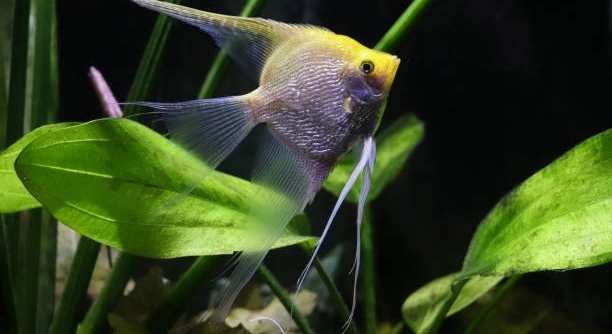
Are your angelfish showing signs of aggression, making it hard to maintain peace in your aquarium? Managing their behavior can feel challenging without the right techniques to guide you through the process effectively and gently.
The best techniques for managing angelfish aggression include adjusting tank size, maintaining proper group ratios, rearranging décor, providing hiding spots, and closely monitoring feeding routines. These steps support a balanced environment and reduce territorial behavior among your fish.
These methods can create a calmer tank atmosphere and support your angelfish’s overall health. Let’s take a closer look at how each technique can make a difference.
Increase Tank Size and Space
Angelfish need plenty of room to swim freely without constantly crossing into each other’s territories. A small tank can cause tension, especially as angelfish are semi-aggressive by nature. Upgrading to a larger tank gives them more space to claim as their own, helping to reduce direct confrontations. A 30-gallon tank is the minimum for a small group, but a 55-gallon tank is ideal if you want to see a noticeable difference in behavior. A spacious environment makes it easier to add plants, hiding spots, and structure, which also help calm aggressive tendencies.
Giving your angelfish more space helps lower stress levels and gives them more freedom to move without provoking others.
If aggression continues despite a larger tank, consider whether the tank layout encourages competition. Open areas without enough barriers or plants can lead to frequent chasing. Dividing space visually with tall plants or décor gives fish personal zones to retreat to. Angelfish feel safer with clear boundaries, and when they’re not constantly exposed to one another, their need to assert dominance often lessens. Watch for changes in swimming patterns and spacing after the upgrade. You’ll usually notice more relaxed behavior and fewer displays of aggression within a few days of making the change.
Adjust the Group Ratio
A common reason for angelfish aggression is an unbalanced social setup. Too many males or a mismatched pair can lead to dominance struggles.
Keeping angelfish in groups of five or more helps reduce targeted bullying, especially when there’s a balance of sexes. When there are only two or three, one fish often becomes dominant while the others become targets. In a larger group, aggression tends to be spread out, which reduces stress on any single individual. You can also introduce new fish at the same time to minimize territorial behavior. This way, none of them feels the tank is already theirs. Rehoming overly aggressive individuals may be necessary in some cases. If a single fish continues to attack others despite these changes, separating them may be the kindest option for all. Monitoring their behavior closely after adjusting the group can help you decide what’s best. Consistent pecking or fin nipping should not be ignored, as it can lead to injuries and infections.
Rearrange Décor and Break Line of Sight
Rearranging tank decorations helps break established territories. When angelfish can no longer recognize their previous zones, they become less territorial and aggressive toward others. Changing the setup regularly keeps the environment neutral and reduces repetitive dominance behavior.
Angelfish often claim specific corners or plants as their own, especially if the tank has remained the same for weeks or months. Shifting rocks, plants, and structures disrupts their memory of space and keeps them from reestablishing control. It’s important to make these changes when introducing new fish or after separating aggressive ones. Use tall plants, caves, or driftwood to create sight barriers. This keeps fish from constantly seeing each other, which lowers aggression. Try spreading out hiding spots to give each fish a place to retreat without needing to compete. This reduces stress and makes interactions less intense, especially in tanks with smaller groups or fewer hiding places.
Creating different zones in the tank helps each fish find a space of its own. Use vertical elements like stacked stones or taller plants to create sections that feel separate. This method is useful in community tanks where angelfish share the space with others. It also gives shy fish a better chance to relax and eat without being chased. Keep in mind that rearranging the tank does not need to be extreme. Small changes once a month can maintain a neutral space and prevent one fish from becoming overly dominant. Watch how the group behaves after a layout change—less pacing or chasing usually means it’s working.
Add Hiding Spots and Visual Barriers
Adding more hiding spots helps angelfish feel secure and gives them a place to retreat during stressful interactions. When fish have spaces to rest, aggression tends to decrease, especially in tanks with multiple fish or breeding pairs.
Use items like tall live plants, ceramic caves, driftwood, or tank-safe decorations to create shelters. These areas offer angelfish a place to cool off after being chased or to avoid conflict altogether. Grouping plants in bunches or creating tunnels with driftwood helps prevent eye contact, which reduces tension. Avoid placing all hiding spots in one corner—distribute them evenly so every fish has access. Keep the layout balanced so some areas remain open for swimming, while others provide shelter. When hiding spots are limited, fish may fight over them, increasing stress. By creating more privacy in the tank, you give each angelfish the space they need to stay calm and reduce confrontations.
Feed at the Same Time and in Separate Spots
Feeding angelfish at the same time each day helps reduce competition and stress. When fish know food is coming regularly, they are less likely to fight or chase others during feeding times.
Placing food in multiple areas of the tank prevents stronger fish from dominating a single spot. It gives all fish a fair chance to eat without conflict.
Watch for Pairing and Breeding Behavior
When angelfish pair off to breed, their aggression increases significantly. One or both fish will often guard a territory and push others away. This behavior is natural, but it can disrupt tank harmony. If you notice guarding, egg-laying, or repeated chasing, consider isolating the pair in a separate tank. This allows them to breed safely while reducing stress on the others. If moving them is not possible, rearrange the tank and increase hiding spots to distract and calm the group. Breeding aggression is intense but manageable when addressed quickly with space and visual barriers.
Remove Persistently Aggressive Fish
If one angelfish continues to bully others despite all changes, it may need to be separated. Keeping the peace sometimes means rehoming a fish that doesn’t adjust.
FAQ
Why are my angelfish so aggressive?
Angelfish are naturally territorial, especially when they feel their space is threatened. They can become more aggressive during breeding periods, or when they feel overcrowded or stressed. Providing enough space and hiding spots can help reduce aggression, as will maintaining a balanced group ratio.
How can I stop angelfish from fighting?
The key to stopping angelfish fights is reducing competition. Rearranging tank décor, increasing hiding spots, and providing a larger tank all help. Also, avoid keeping too many males in the same tank and ensure you have enough resources like food and space for all fish.
Can angelfish live with other fish?
Yes, but they need to be carefully matched with non-aggressive species. Small, peaceful fish may be bullied, while larger, more dominant fish might compete for space. Good tank mates include tetras, rasboras, and peaceful cichlids. Avoid aggressive fish like larger barbs or similar cichlids.
How do I know if my angelfish are stressed?
Stressed angelfish may exhibit signs like hiding, loss of color, rapid swimming, or fin clamping. They may also stop eating or show signs of physical damage like fin nipping. Monitor water quality, as poor water conditions are a common stressor for fish.
Is it normal for angelfish to chase each other?
Yes, some chasing is natural as angelfish establish their territories. However, continuous chasing or aggressive behavior like fin nipping may indicate that the tank is overcrowded or that certain fish are being bullied.
How do I deal with a breeding pair of angelfish?
When angelfish breed, they become highly territorial and protective. If they are causing problems for other tank mates, you may need to isolate them. Providing plenty of hiding spots and rearranging the tank can help reduce the intensity of their aggression.
What size tank is best for angelfish?
A 30-gallon tank is the minimum recommended size for a small group of angelfish. However, larger tanks like a 55-gallon offer more space and are ideal for maintaining peace in a community tank. The more space they have, the less likely they are to fight.
Should I add more plants to reduce aggression?
Yes, adding more plants can help reduce aggression by breaking up lines of sight and providing hiding spots. Angelfish, like many other species, feel safer with places to retreat. Use tall plants or structures like driftwood to create more zones within the tank.
Can I add new fish to a tank with aggressive angelfish?
It’s possible, but you should be cautious. Introduce new fish slowly and make sure the tank is large enough for all inhabitants. It’s also wise to add new fish when the angelfish are calm or when the tank layout has been changed.
What should I do if my angelfish are always fighting?
If fighting persists despite changing the environment, the fish may need to be separated. Consider isolating the aggressive individuals in a separate tank, especially if one fish is bullying others constantly. Rehoming them might be the most effective solution.
Are there any signs that an angelfish is sick or unhealthy?
Sick angelfish may display symptoms such as lethargy, faded color, bloated abdomen, or difficulty swimming. Look out for external signs like spots, lesions, or abnormal fin movement. Ensure the tank has good water quality and check for parasites or infections.
What do I do if my angelfish are not eating?
Loss of appetite in angelfish can be a sign of stress, illness, or poor water quality. Try offering a variety of foods and ensure that the water temperature and quality are ideal. If the problem persists, consult a veterinarian for further advice.
Can I keep angelfish with other cichlids?
Some cichlids can coexist with angelfish, but it depends on the species. Non-aggressive or smaller cichlids like keyhole cichlids may work well. Avoid larger, more dominant cichlids that may bully or outcompete the angelfish for space and food.
How often should I clean the tank to help with aggression?
Maintaining a clean tank is essential for keeping angelfish healthy and reducing aggression. Perform regular water changes, clean the substrate, and remove uneaten food. Keeping water quality high helps reduce stress and makes the fish feel more secure.
Can angelfish get along with other species in a community tank?
Angelfish can coexist with many community tank species, but careful selection is needed. Peaceful fish like tetras, catfish, and rasboras are good companions. Avoid aggressive species, as they may create conflict or trigger territorial disputes.
How do I prevent my angelfish from bullying each other?
Maintain a well-balanced tank with enough space, hiding spots, and food sources. Ensure that the tank has a good ratio of males to females, and avoid keeping too many dominant males in one space. If necessary, add new décor to break up territories.
Can water temperature affect angelfish aggression?
Yes, water temperature can influence angelfish behavior. Angelfish prefer temperatures between 76°F and 82°F (24°C to 28°C). If the temperature is too high or too low, it can stress them out, leading to increased aggression. Keep the tank at a stable, ideal temperature.
What types of food help reduce aggression in angelfish?
High-quality, varied food can keep angelfish healthy and less stressed. Offer a mix of pellets, flakes, and frozen foods like bloodworms or brine shrimp. A balanced diet improves overall well-being, which in turn can reduce aggressive tendencies.
Final Thoughts
Managing angelfish aggression requires patience and understanding of their behavior. These fish are territorial by nature, and conflicts can arise, especially in smaller tanks or when breeding. By paying attention to the environment, such as the size of the tank, the number of fish, and the available hiding spots, you can minimize stress and prevent aggression. Rearranging the tank layout, adding plants, and ensuring there is enough space for each fish will help maintain a peaceful setting. Additionally, careful attention to water quality and regular maintenance is essential to keep the fish healthy and less prone to aggression.
Feeding habits also play a key role in reducing aggression. Angelfish, like many species, can become competitive around food. Offering food at regular intervals and in multiple locations ensures that all fish have an equal opportunity to eat. Avoiding overfeeding or underfeeding will also prevent stress and the aggressive behavior that can result from food scarcity. Monitoring their behavior during feeding time can help identify early signs of aggression, allowing you to take action before the situation escalates.
Finally, if you are unable to reduce aggression with changes in the environment or feeding habits, it may be necessary to separate overly aggressive fish. In some cases, rehoming an individual angelfish can restore balance to the tank. While aggression is a normal part of their behavior, it should not lead to harm or stress for the other fish. Ensuring that all your fish have enough space and resources will help them live together more harmoniously. By being proactive and observant, you can create a peaceful environment for your angelfish and other tank mates.

Hello,
If you enjoy the content that we create, please consider saying a "Thank You!" by leaving a tip.
Every little bit helps us continue crafting quality advice that supports the health, happiness, and well-being of pets around the world, for pets of all shapes, sizes, and species.
We really appreciate the kindness and support that you show us!