
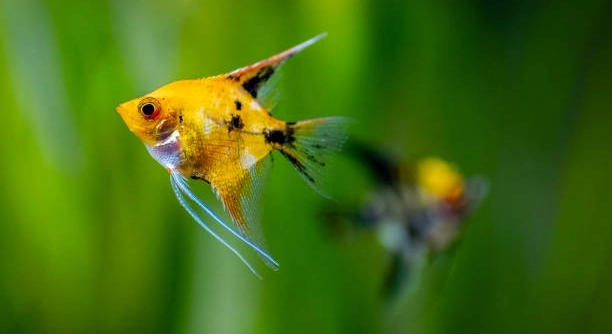
Are your angelfish showing signs of stress or not thriving as you expected? It could be related to the size of their tank. Choosing the right tank size plays a big role in their overall health and happiness.
The best tank sizes for keeping angelfish happy range from 20 to 55 gallons, depending on the number of fish and their growth stage. A larger tank provides better water stability, more swimming space, and helps reduce territorial behavior.
Understanding how different tank sizes affect angelfish behavior will help you make a smarter choice and create a more peaceful aquarium.
20-Gallon Tank for One or Two Angelfish
A 20-gallon tank is often considered the bare minimum for keeping angelfish, especially if you’re starting with juveniles. This size gives them room to swim while staying manageable for first-time keepers. It’s ideal if you’re only planning to house one or two angelfish without additional tankmates. Just be aware that angelfish grow quickly and need vertical space due to their tall fins. This means the tank should be taller rather than wider. Water changes and a reliable filter are essential to keep conditions stable, as smaller tanks can fluctuate more easily. If you’re choosing this size, make sure you’re prepared to upgrade if the fish outgrow the space or if you decide to add more fish later on. It’s a decent starting point but does come with limitations in the long run.
For small setups, this size works best with careful monitoring and limited additions to your tank community.
While it might feel convenient at first, this size requires more effort to maintain balance as your angelfish grow. A strict cleaning routine and regular water tests will help keep them comfortable and reduce the chances of aggression or stress. If things start to feel cramped, don’t hesitate to move them into something roomier for better results.
30-Gallon Tank for Growing Angelfish
A 30-gallon tank gives growing angelfish more room to swim and explore, which helps lower stress and aggressive behavior.
This size is often chosen by fish keepers who want a bit more flexibility. It’s large enough to comfortably house a pair of adult angelfish and still give them enough space to establish their own territories. Unlike the 20-gallon option, this tank provides a more stable environment, which reduces the chances of sudden water parameter swings. The added volume also allows for a few tankmates, as long as they are peaceful and not fin-nippers. Good filtration and moderate planting can help create a balanced, low-stress setup. While the tank is not massive, it hits a sweet spot between space and maintenance. It’s still small enough to fit into most rooms but big enough to offer a noticeable upgrade in comfort for your angelfish. A 30-gallon tank can help keep their colors vibrant and their movement natural.
40-Gallon Tank for a Peaceful Pair
A 40-gallon tank offers more swimming room, better water stability, and reduced chances of aggression between angelfish. It’s a reliable option if you’re keeping a mated pair or plan to introduce peaceful tankmates.
This tank size supports a pair of adult angelfish comfortably, especially if you add tall plants and hiding spots to break up sightlines. The extra volume keeps the water cleaner for longer and makes maintenance feel a little less demanding. You’ll still need a strong filter, regular water tests, and occasional partial water changes. With proper layout and consistent care, this setup encourages breeding behavior, smoother interactions, and calmer swimming. It’s also easier to control territory disputes and gives each fish their own space without constant chasing.
Choosing this size lets you start creating more of a community tank, but still with focus on the angelfish. Just make sure to choose tankmates that can thrive in similar water parameters. Avoid overly active species or those known to nip at fins. Instead, go for peaceful tetras, corydoras, or even a bristlenose pleco. Be careful not to overcrowd—keep the angelfish as the focal point of the tank, and allow them enough open space to swim comfortably. It’s a good balance of space and simplicity.
55-Gallon Tank for Small Groups
A 55-gallon tank opens up the option to keep a small group of angelfish, giving them room to swim, form bonds, and develop their natural hierarchy.
This size works well for three to five angelfish, depending on their size and temperament. With a wider tank, there’s more horizontal and vertical space, which helps minimize territorial disputes and allows shy fish to retreat when needed. It’s also easier to include tankmates, plants, and decorations without sacrificing swimming room. With stable water parameters, your angelfish will grow steadily and show more active, relaxed behavior. A well-planned 55-gallon tank helps mimic a more natural environment and creates a peaceful, balanced feel. Add filtration with a gentle current and plenty of cover—tall plants or driftwood work well—to help each fish establish its own safe area. With regular care, this tank size can support a small, thriving angelfish community for years.
75-Gallon Tank for Larger Groups
A 75-gallon tank is a solid choice if you want to keep a group of angelfish with plenty of room to swim. The extra space helps reduce stress and allows natural behaviors to develop.
This size lets you comfortably keep five to seven angelfish, depending on their personalities. It offers room for schooling tankmates and extra vertical height for décor and tall plants. With more gallons, water stays more stable, even with multiple fish. Keep in mind, though, that a larger group still requires monitoring—some angelfish can get territorial. Spread out decorations to give each fish a clear territory, and avoid overcrowding with fast or aggressive species. This tank is also great for those who want a beautiful planted setup that supports both plants and fish. Use good lighting, a soft substrate, and moderate water flow. The extra space also makes cleaning easier because debris has more room to settle without immediately impacting the fish.
90-Gallon Tank for Advanced Setups
A 90-gallon tank gives you enough space to create a well-balanced, heavily planted tank with multiple angelfish and tankmates. It works well for both visual appeal and long-term stability.
125-Gallon Tank for Maximum Comfort
This size gives angelfish plenty of space to form groups and swim freely without crowding. It’s ideal for advanced fishkeepers with room for a larger tank.
FAQ
What is the minimum tank size for a single angelfish?
A single adult angelfish needs at least a 20-gallon tall tank. The tall shape gives them enough vertical space for swimming. Although they can survive in smaller tanks when young, they need room to grow and move comfortably. Cramped spaces can lead to stress, stunted growth, and increased health problems. A taller tank mimics their natural environment and gives them space for calm, graceful movement.
Can angelfish live in a 10-gallon tank?
Angelfish should not be kept in a 10-gallon tank once they mature. It’s too small to provide enough swimming space or stable water conditions. Even young angelfish will outgrow it quickly. The small volume also makes it harder to keep ammonia and nitrite levels safe, which can harm the fish. If space is limited, it’s better to wait until a 20-gallon or larger tank is available before getting angelfish.
How many angelfish can I keep in a 55-gallon tank?
A 55-gallon tank can hold up to five angelfish, but it depends on the fish’s behavior and tank setup. Each fish needs its own territory to avoid constant chasing. Provide plants, driftwood, and tall decorations to help divide the space. Some angelfish are more aggressive than others, so always keep an eye on their interactions and be ready to separate them if needed.
Do angelfish need tall tanks?
Yes, tall tanks are better suited for angelfish because of their body shape and swimming style. Their long fins and upright posture make vertical space more important than width alone. A tank with height helps prevent damaged fins and promotes natural swimming behavior. Look for tanks labeled as “tall” or with more depth from top to bottom.
Can you keep angelfish in community tanks?
Angelfish can live in community tanks if their tankmates are peaceful and not fin nippers. Avoid fast or aggressive fish like barbs, which can stress or injure them. Good tankmates include corydoras, dwarf gouramis, and larger tetras. Make sure the tank is large enough, ideally 40 gallons or more, and always monitor their behavior when introducing new fish.
Is it okay to keep angelfish in groups?
Angelfish can live in groups, especially if raised together, but you’ll need a larger tank to prevent fighting. Tanks that are 55 gallons or bigger work well for small groups. Group dynamics change as they mature—some may pair off and become territorial. Watch for signs of bullying, and rearrange décor or remove aggressive fish if needed.
How often should I clean a tank with angelfish?
Regular maintenance helps keep angelfish healthy. Aim for weekly partial water changes of about 25–30%. Use a gravel vacuum to remove uneaten food and waste. Check water parameters weekly to make sure ammonia, nitrite, and nitrate levels stay within safe ranges. Clean the filter monthly, but avoid removing all beneficial bacteria.
What happens if the tank is too small?
A tank that’s too small can cause stress, stunted growth, and aggression. Angelfish might constantly chase each other without enough space to retreat. Poor water quality becomes a bigger issue in smaller tanks, and disease spreads more easily. Their immune systems also weaken under constant stress. A properly sized tank is key to long-term health.
Can angelfish be kept with live plants?
Yes, angelfish do well in planted tanks. They enjoy the natural cover and hiding spots. Live plants also help keep the water clean by absorbing excess nutrients. Use plants that can handle moderate lighting and warm temperatures, like Amazon swords, anubias, and java ferns. Just make sure plants don’t block too much swimming space.
Do angelfish grow to fit their tank size?
No, that’s a myth. Angelfish won’t stop growing just because the tank is small. In reality, a tank that’s too small will stunt their growth and cause long-term harm. They might appear to stop growing, but their organs keep developing, which can lead to health problems. Always choose the right tank size for their adult size.
Final Thoughts
Choosing the right tank size for angelfish makes a big difference in how healthy and comfortable they feel. These fish are tall, graceful swimmers that need plenty of vertical space to move without stress. While young angelfish may do fine in smaller tanks at first, they grow quickly and need larger spaces to live well. A tank that is too small can lead to stress, fighting, poor water quality, and long-term health issues. Giving them enough room helps prevent these problems and makes caring for them easier in the long run. Even if they seem fine in a small tank for a while, they won’t stay that size forever.
A 20-gallon tank is the smallest size you should consider for a single adult angelfish, and anything smaller will likely cause problems over time. For pairs or small groups, larger tanks like 29, 40, or even 55 gallons are much better. The more angelfish you have, the more space you’ll need to avoid territorial fights and crowding. Height matters too—go for tanks that offer vertical space so the fish can stretch their fins and swim naturally. Adding decorations like plants, rocks, or driftwood also helps break up the space and reduce aggression among tank mates. Just make sure to leave plenty of open swimming areas.
In the end, choosing a proper tank is one of the most important parts of keeping angelfish happy and healthy. It’s worth taking the time to plan ahead, especially if you’re hoping to keep more than one or want to set up a community tank. A bigger tank gives you more flexibility and helps your fish thrive, not just survive. Watching angelfish glide through the water in a well-sized tank is rewarding and peaceful, but it only happens when their environment fits their needs. Think of the tank size as part of their long-term care—one that affects everything from water quality to behavior. Making that choice early on saves you stress and helps your angelfish grow in the best way possible.

Hello,
If you enjoy the content that we create, please consider saying a "Thank You!" by leaving a tip.
Every little bit helps us continue crafting quality advice that supports the health, happiness, and well-being of pets around the world, for pets of all shapes, sizes, and species.
We really appreciate the kindness and support that you show us!