
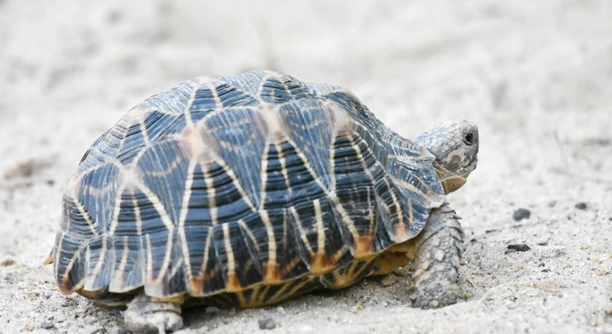
Setting up the perfect tank for your turtle is essential for its health and comfort. Different species require different setups, and knowing what works best can make a huge difference in your turtle’s life.
To ensure your turtle thrives, it’s important to cater the tank setup to the specific needs of its species. Each type of turtle has unique requirements, including water temperature, tank size, and basking areas, which must be considered.
By learning the right setup for your turtle species, you’ll be creating an ideal environment that promotes long-term well-being. Let’s explore how to build the best habitat for different turtles.
Setting Up for Red-Eared Sliders
Red-Eared Sliders are one of the most common turtle species, and their tank setup needs are quite specific. They require a large tank with both water and land areas. The water should be deep enough for them to swim comfortably and should be filtered to keep it clean. Red-Eared Sliders need a basking area where they can dry off and warm up, as they are cold-blooded and need heat to regulate their body temperature.
A 75-gallon tank is typically a good size for an adult Red-Eared Slider, but if you have more than one, you might need something larger. The basking area should have a heat lamp to maintain a temperature of around 85-90°F. The water temperature should stay between 75-80°F, with a UVB light to help them absorb calcium for healthy shell growth.
For optimal care, you will also need to invest in a strong filtration system. The water will get dirty quickly due to their eating habits and waste, so having a high-quality filter is crucial. Keeping their environment clean and warm will make all the difference in their health.
Creating the Perfect Habitat for Painted Turtles
Painted Turtles are another popular species with their own unique needs. They need a mix of both land and water in their tank.
A 40-gallon tank is usually sufficient for a single adult, though a larger tank is always better. A basking spot with access to a heat lamp and UVB light will keep them happy and healthy.
Tank Setup for Box Turtles
Box Turtles are more land-dwelling than aquatic, but they still need access to water for soaking and drinking. A 40-gallon tank will provide enough space for them to move around. The enclosure should have plenty of hiding spots, plants, and natural substrates like coconut husk or soil.
It’s important to maintain the right humidity level for Box Turtles. Keeping the tank at 60-80% humidity will help them thrive. You can also include a shallow water dish, but make sure it’s not deep enough for the turtle to drown. Box Turtles also need UVB light for calcium absorption and overall health.
You’ll want to make sure the temperature in the tank is regulated, too. During the day, it should range between 75-85°F, and at night, it can drop to around 65°F. A heat source like a ceramic heat emitter can help achieve this. The humidity combined with proper temperature control creates the best environment for a Box Turtle’s well-being.
Creating the Ideal Tank for Musk Turtles
Musk Turtles are small and prefer water over land. They require a tank with both deep water for swimming and a shallow area for basking. A 20-gallon tank is generally sufficient for a single adult.
Musk Turtles need a good filtration system because they tend to be messy eaters. Water quality is essential, so frequent water changes and high-quality filters are necessary to keep the tank clean. The water should be kept at around 75-80°F, and the basking area should be warm, around 85°F.
Tank Setup for Map Turtles
Map Turtles are primarily aquatic but do require a dry basking spot. A 40-gallon tank is typically ideal for one turtle, with enough space for swimming and land areas. The tank should include both UVB light and a basking lamp for heat.
In addition to these essentials, Map Turtles also need clean, well-filtered water. The temperature should be maintained around 75-80°F, and the basking spot should be kept around 85-90°F. With the right balance of heat, water conditions, and UVB exposure, Map Turtles will thrive in their environment.
Tank Setup for Snapping Turtles
Snapping Turtles are large and require a big space. A 75-gallon tank is the minimum for an adult, and even larger is better. These turtles need deep water to swim in, as well as a large, dry basking area.
Because of their size and strength, Snapping Turtles also need sturdy tank decorations and equipment. A strong filtration system is essential to keep the water clean, as they are messy eaters. The water temperature should stay between 75-80°F, with the basking area around 85-90°F.
FAQ
How often should I clean my turtle tank?
It’s important to clean your turtle’s tank regularly to maintain water quality. For most species, a full cleaning should be done once every 1-2 weeks. This includes replacing a portion of the water, cleaning the filter, and removing any waste or debris from the bottom. For heavily soiled tanks, you may need to clean more frequently. Always use a turtle-safe water conditioner to remove chlorine and chloramine from tap water.
Do I need a filter for my turtle tank?
Yes, a filter is essential. Turtles are messy animals, and their waste can quickly dirty the water. A good filtration system will help keep the water clean, remove toxins, and reduce the need for frequent water changes. Choose a filter rated for a larger tank than what you currently have, as it will provide more efficient filtration. Be sure to clean the filter regularly to maintain its effectiveness.
What should the water temperature be for my turtle?
Water temperature depends on the species of turtle, but generally, most turtles prefer water between 75-80°F. Some species, like Red-Eared Sliders and Map Turtles, prefer slightly warmer water. You can use an aquarium heater to maintain a stable temperature, but make sure the heater is rated for the size of your tank.
Do turtles need a UVB light?
Yes, UVB light is necessary for most turtle species. It helps them metabolize calcium, which is essential for healthy shell growth and overall well-being. Without UVB light, turtles can develop metabolic bone disease. You’ll want to provide a UVB light in the basking area, and it should be replaced every 6-12 months, as the UVB output diminishes over time.
How big should my turtle’s tank be?
The size of the tank depends on the species of turtle. As a general rule, larger species like Snapping Turtles will need a 75-100 gallon tank, while smaller species like Musk Turtles may only need a 20-40 gallon tank. A larger tank allows for better water quality and provides more space for your turtle to swim and explore. If you have more than one turtle, consider a larger tank to ensure they have enough room.
Do I need a basking area for my turtle?
Yes, turtles need a basking area where they can dry off and warm up. The basking area should be accessible, elevated, and equipped with a heat lamp. The temperature of the basking spot should be around 85-90°F, depending on the species. Providing a basking area helps your turtle regulate its body temperature and promotes healthy shell growth.
Can turtles live with other aquatic animals?
Turtles can live with other aquatic animals, but caution is needed. Some turtles, like Red-Eared Sliders, are known to be aggressive and may harm smaller fish or other tank mates. It’s best to house turtles with species that are similar in size and temperament. Always observe how your turtle interacts with other animals and be prepared to separate them if necessary.
What do turtles eat?
Turtles are omnivores, meaning they eat both animal and plant matter. Their diet typically consists of pellets designed for turtles, supplemented with fresh vegetables like leafy greens, carrots, and aquatic plants. They may also enjoy live food like insects, worms, and small fish. Be sure to vary their diet and avoid feeding them too much high-fat food, as this can lead to obesity.
Do I need to provide supplements for my turtle?
In most cases, yes. Turtles require calcium and other vitamins to stay healthy. A calcium supplement, typically in the form of powder, can be sprinkled on their food a few times a week. Additionally, if your turtle is not exposed to enough natural sunlight, a vitamin D3 supplement can help them absorb calcium. Always follow the dosage instructions and avoid over-supplementing.
Can I keep a turtle outside?
Keeping a turtle outside is possible, but it depends on the climate and the species of turtle. Some species, like Box Turtles, can live outside in a suitable enclosure, while others need a controlled environment. If you live in a warm climate, you can set up a turtle-friendly outdoor habitat with proper shade, water, and basking areas. Be sure to protect the turtle from predators and ensure the enclosure is escape-proof. If the temperature drops significantly in winter, it’s best to bring your turtle inside.
How can I tell if my turtle is healthy?
A healthy turtle should have a clean, smooth shell, clear eyes, and be active. Watch for any signs of illness, such as lethargy, loss of appetite, swollen eyes, or abnormal shell growth. A healthy turtle will bask regularly and swim actively. If you notice any changes in behavior or appearance, consult a veterinarian with experience in reptiles. Regular check-ups are also a good idea for keeping your turtle’s health in check.
How do I set up a tank for my baby turtle?
Baby turtles need a safe and warm environment to grow. For most baby turtles, a 20-gallon tank is sufficient. You’ll need to provide shallow water for them to swim in and a basking area where they can dry off. Ensure the water temperature is between 75-80°F, and the basking area should be around 85°F. Use a UVB light and a heat lamp to create the right conditions. Baby turtles are small and fragile, so be sure to keep the tank clean and free of hazards.
Can I use tap water for my turtle tank?
While you can use tap water, it’s important to treat it to remove chlorine and chloramine, which can harm your turtle. Use a water conditioner specifically made for reptiles to neutralize these chemicals. Additionally, make sure the water temperature is suitable before adding it to the tank. If your tap water has high mineral content, you may want to consider using bottled or filtered water to avoid buildup in the tank.
Final Thoughts
Setting up a proper tank for your turtle is essential for its health and well-being. Each species of turtle has its own specific needs, so it’s important to research and understand those requirements. Whether your turtle is aquatic, semi-aquatic, or more terrestrial, providing the right environment will help it thrive. Having the right tank size, temperature, lighting, and filtration system in place is key to keeping your turtle comfortable and happy. By making sure these factors are considered, you’ll be able to create a safe and welcoming space for your pet.
Taking care of a turtle may seem overwhelming at first, but once you have the right setup, it becomes much easier. Regular maintenance, like cleaning the tank and changing the water, is necessary but manageable. By being consistent with these tasks, your turtle will be healthier and more active. A good routine is important for monitoring your turtle’s health and ensuring the water stays clean. It’s also vital to provide a balanced diet, offer calcium and UVB light, and keep the temperature stable, so your turtle can grow strong.
Remember, your turtle’s habitat should be a space where it feels secure and able to behave naturally. As long as you follow the care guidelines specific to your turtle’s species and make adjustments as needed, your turtle should be happy in its environment. With a little effort, setting up and maintaining a tank for your turtle can be a rewarding experience.

Hello,
If you enjoy the content that we create, please consider saying a "Thank You!" by leaving a tip.
Every little bit helps us continue crafting quality advice that supports the health, happiness, and well-being of pets around the world, for pets of all shapes, sizes, and species.
We really appreciate the kindness and support that you show us!