
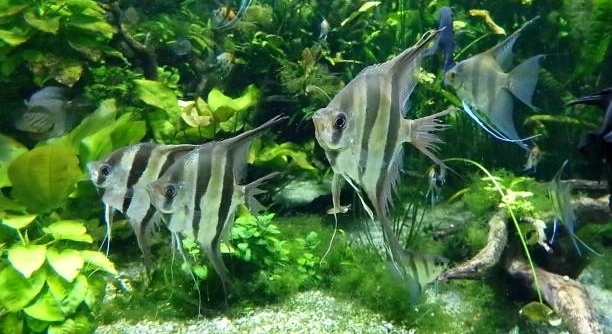
Angelfish are a beautiful and popular choice for home aquariums. If you want to breed them successfully, setting up the right tank is essential. Proper setup helps create a healthy environment for both parents and fry.
The best tank setups for breeding angelfish focus on creating a stable, clean environment. Ensure proper filtration, temperature control, and sufficient space. A breeding pair of angelfish will also need flat surfaces, like rocks or broad leaves, to lay eggs.
With these setups, your angelfish will have a better chance at thriving and reproducing. The following setups will guide you through creating the ideal space for your fish to breed and grow.
Tank Size and Space Requirements
When setting up a tank for breeding angelfish, tank size is crucial. A minimum of 20 gallons is recommended for a pair of angelfish, but larger tanks are preferable if you plan on breeding multiple pairs. This gives the fish ample space to swim, build nests, and avoid stress. Angelfish are territorial, so each breeding pair needs its own space to feel secure and comfortable. Too many fish in a small tank can lead to aggression and hinder breeding.
A 30-gallon tank is often ideal for breeding a pair of angelfish, as it offers enough space for the fish to thrive. Larger tanks can house more pairs, but make sure there are enough hiding spots and territorial boundaries.
The size of the tank directly impacts the health of the fish and the success of breeding. In addition to providing enough space for swimming, it’s important to ensure the tank has proper filtration and temperature control. A spacious tank promotes better water quality and reduces the buildup of harmful waste, which is crucial for the health of the breeding pair and their fry.
Tank Setup for Breeding Angelfish
Proper tank setup goes beyond just the size. You’ll need to create an environment that supports natural breeding behavior. First, make sure the water temperature is between 78-80°F, which is optimal for breeding. Next, maintain a pH level of 6.5-7.0 to replicate the angelfish’s natural habitat.
For breeding, you need flat surfaces where the female can lay her eggs. This could be broad-leaved plants, such as Amazon swords, or smooth stones. Adding a breeding cone can also be helpful. These items offer safe spots for the fish to lay their eggs and keep them protected from harm.
Additionally, make sure to keep the tank clean and free from excessive debris. Frequent water changes of about 20-25% weekly help maintain good water quality. As angelfish are sensitive to poor water conditions, keeping the tank clean is essential for the breeding process.
Filtration and Water Quality
A good filtration system is vital for keeping the water clean and ensuring the health of the angelfish. You don’t want the filter to be too strong, as it could disturb the fish or sweep away the fry. A gentle sponge filter or a well-placed hang-on-back filter is ideal.
Filtration helps remove excess waste and keeps the water oxygenated. Make sure to regularly clean the filter to avoid clogging and maintain consistent water flow. Quality filtration contributes to the success of breeding angelfish by promoting a healthy environment.
Water quality is important, and regular water changes are key. You should aim to change around 20% of the water every week. Testing water parameters like ammonia, nitrites, and nitrates ensures that everything stays in balance. Consistently checking water quality helps avoid any spikes in harmful chemicals that can harm both adults and fry.
Water Temperature and Heating
Maintaining a stable temperature of 78-80°F is essential for breeding angelfish. A reliable aquarium heater can help maintain this temperature range. If the temperature fluctuates too much, it can stress the fish and disrupt their breeding cycle.
A steady temperature helps mimic the tropical conditions angelfish thrive in. It encourages the fish to breed and also supports the growth of their fry. Avoid sudden temperature changes, as they can negatively impact breeding behavior and even cause illness. It’s also wise to use a thermometer to ensure the temperature stays consistent throughout the tank.
A heater with a built-in thermostat is a great investment, as it will regulate the temperature automatically. Keeping the tank at a stable, warm temperature is one of the most important factors in breeding success. Without this, angelfish might not spawn at all.
Breeding Pair Selection
Selecting the right breeding pair is essential for success. Choose healthy, mature angelfish, typically around 6 months old, as they are more likely to breed. Look for fish with vibrant colors and no visible signs of illness.
Healthy, strong fish will produce stronger offspring. It’s essential to select a pair with similar characteristics, like size and coloration, to encourage successful breeding. Keep an eye on behavior to ensure they are compatible.
Watch for signs of compatibility between the two fish, such as mutual interest and the development of their breeding stripes. Sometimes, a pair might not get along, and it’s better to separate them before attempting to breed.
Tank Decor for Breeding
For a successful breeding setup, you need the right tank decor. Angelfish prefer broad-leaved plants, driftwood, or smooth rocks for laying eggs. These surfaces provide a safe place for the female to deposit her eggs, while also helping the fish feel more secure.
Provide various hiding spots so the breeding pair can feel at ease. Creating a natural, comfortable environment encourages breeding behavior. While plants and decor are important, ensure that the items do not block water flow or create sharp edges that could harm the fish.
Lighting
Lighting plays a significant role in triggering breeding behavior. Provide moderate lighting to simulate a natural day-night cycle. Too much light can stress the fish, while too little may discourage breeding. A timer can help maintain a consistent cycle of 10-12 hours of light per day.
FAQ
How do I know if my angelfish are ready to breed?
Angelfish typically become ready to breed at 6 months of age. Signs that they are prepared include pairing up, developing breeding tubes, and showing off breeding stripes. Male angelfish will often chase the female around the tank, and the female will begin to search for a suitable surface to lay eggs.
How often will angelfish breed?
Angelfish usually breed every 10 to 14 days under ideal conditions. Once a pair starts breeding, they may lay eggs every two weeks, though this can vary. After the eggs hatch, the pair may take a break before starting the process again. Keep an eye on their health and the tank conditions to ensure continued breeding.
Can I breed multiple pairs of angelfish in the same tank?
It’s best to only have one breeding pair per tank. Angelfish are territorial, especially during breeding, and they may fight with other pairs. If you want to breed more than one pair, you should provide separate spaces or tanks for each pair to reduce stress and aggression.
What should I do if my angelfish eat their eggs?
It’s common for angelfish to eat their eggs, especially if they feel threatened or the environment isn’t ideal. To prevent this, try setting up a separate breeding tank or using a breeding cone. In some cases, angelfish may also eat their eggs if they are inexperienced or if the tank is too small. Ensuring proper water conditions and minimizing disturbances will help increase the chances of eggs being cared for properly.
How long does it take for angelfish eggs to hatch?
Angelfish eggs typically hatch in 2 to 3 days, depending on the water temperature. Warmer water will speed up the hatching process, while cooler water may extend the time. After the eggs hatch, the fry will stay attached to the surface for a few days before they begin swimming freely.
What should I feed angelfish during breeding?
During the breeding process, angelfish require a protein-rich diet to support their health and reproductive success. Offer them high-quality flakes, pellets, and frozen or live foods like brine shrimp, bloodworms, or daphnia. Providing variety and nutrition will help encourage the fish to breed successfully.
Should I remove the angelfish fry after they hatch?
It depends on the situation. Some angelfish will take care of their fry, guarding and feeding them. However, other pairs may not be as protective. If the parents seem to neglect the fry or eat them, you can move the fry to a separate tank. Make sure the fry have plenty of places to hide and a proper diet of finely crushed flakes or baby brine shrimp.
How do I prevent disease in my angelfish breeding tank?
To prevent disease, maintain excellent water quality with regular water changes and proper filtration. Avoid overcrowding, and make sure your tank is not overstocked with other fish. Quarantine new fish before adding them to the breeding tank to avoid introducing pathogens. Always monitor for signs of illness, such as discoloration or abnormal behavior, and treat promptly.
Can I breed angelfish in a community tank?
While it’s possible to breed angelfish in a community tank, it’s not ideal. Other fish may stress the breeding pair or disrupt the process. In a community tank, the eggs and fry are also at risk of being eaten by other fish. If you want to breed angelfish successfully, it’s best to set up a separate breeding tank.
How do I protect angelfish eggs from fungus?
Fungus can grow on angelfish eggs, especially if they are not cared for properly. To prevent this, ensure the water conditions are ideal, with the correct temperature, pH, and cleanliness. Some breeders use a mild fungicide to treat the eggs if fungus appears, but regular water changes and a healthy environment can often prevent it.
When should I start feeding angelfish fry?
You can begin feeding angelfish fry once they start swimming freely. At this stage, they are typically ready to eat. Start with finely crushed flakes or specially designed fry food. As they grow, you can gradually introduce baby brine shrimp and other small live foods to promote healthy development.
How do I breed angelfish in a planted tank?
Breeding angelfish in a planted tank is possible, as long as the tank is well-maintained. Plants provide hiding spots for the fry and offer surfaces where the female can lay eggs. Just make sure there’s enough space for the fish to breed without overcrowding. It’s important to keep the water clean and to provide proper filtration to prevent algae buildup.
Can I use a breeding box for angelfish?
A breeding box can be used to separate the breeding pair from the rest of the tank, but it should not be relied on for the long term. Once the eggs are laid, it’s better to move the pair into a dedicated breeding tank where the water conditions are more controllable. Breeding boxes can cause stress and limit the movement of the fish, making them less ideal than a larger breeding setup.
What water conditions are best for breeding angelfish?
Angelfish breed best in slightly acidic water with a pH level between 6.5 and 7.0. The water should be soft to moderately hard, with a temperature of 78-80°F. Good filtration and regular water changes help maintain clean, stable conditions that encourage breeding. Avoid sudden temperature fluctuations, as they can cause stress.
How do I handle angelfish fry once they start swimming?
Once the angelfish fry begin swimming, they are ready to be fed. Start by offering them finely crushed food or specially designed fry food. As they grow, you can introduce larger foods like baby brine shrimp. Ensure the fry have plenty of hiding spots to feel secure. Monitor their growth and health, and keep the water conditions clean.
Final Thoughts
Breeding angelfish can be a rewarding experience, but it requires attention to detail and patience. It’s important to understand the needs of both the breeding pair and the fry. A stable environment with the right water conditions, tank size, and filtration system will give your angelfish the best chance to breed successfully. The health and well-being of the fish should always come first, as stress or poor water quality can prevent successful breeding and harm the fish.
Setting up a breeding tank for angelfish is not as difficult as it may seem. By providing the right space, a proper filtration system, and suitable surfaces for egg-laying, you’ll create an environment that encourages natural breeding behavior. A temperature-controlled tank with a steady light cycle, along with the right food for your fish, is key to getting the process started. Remember that breeding takes time, and it may not happen immediately. Some pairs take longer to adapt, and sometimes the first few attempts at breeding may not be successful.
Once the fry hatch, the next step is to ensure their safety and proper care. Angelfish fry are delicate, so providing a safe and clean environment will help them grow. You’ll need to provide them with the right food, like baby brine shrimp, and monitor their health closely. As they grow, you can gradually introduce more challenging foods. Breeding angelfish requires commitment, but with the right approach and setup, it’s a process that can be enjoyable and fruitful.

Hello,
If you enjoy the content that we create, please consider saying a "Thank You!" by leaving a tip.
Every little bit helps us continue crafting quality advice that supports the health, happiness, and well-being of pets around the world, for pets of all shapes, sizes, and species.
We really appreciate the kindness and support that you show us!