
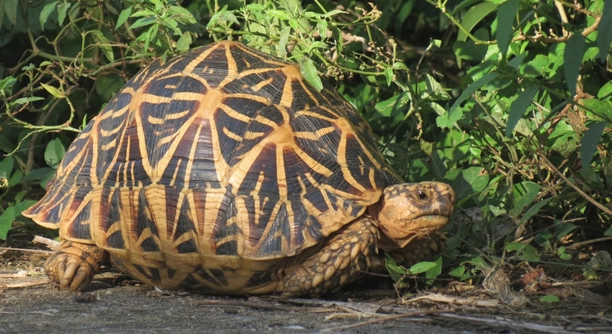
Turtles are fascinating creatures, but finding the right companions for them in a tank can be tricky. The right tank mates can make a big difference in your turtle’s environment and overall well-being. It’s important to choose wisely.
When selecting tank mates for small turtles, it’s crucial to consider the species’ size, temperament, and habitat needs. Some small fish, amphibians, or even invertebrates can coexist with turtles if they are carefully chosen to avoid aggression or competition for food.
Knowing which animals can thrive with your turtle will help you create a peaceful, balanced tank. Keep reading for the best tank mates to consider.
1. Small Fish: Ideal Companions for Small Turtles
Small fish can be a great choice as tank mates for small turtles, especially species that are peaceful and quick swimmers. Fish like guppies, tetras, and minnows are small enough not to be seen as food but still offer the turtle companionship in the tank. These fish are generally safe around turtles since their small size and fast movements make them harder to catch.
Choosing small fish with quick reflexes ensures your turtle won’t hunt them down. Fish like neon tetras and zebra danios are known to thrive in turtle tanks. However, always monitor the interactions to ensure no one is being stressed or chased excessively.
Small fish also help maintain a cleaner environment by consuming algae and detritus in the tank. If they are fed properly and the water quality is kept high, these fish can live peacefully alongside turtles without major issues. Just be sure to keep an eye on their behavior and make adjustments if necessary.
2. Snails: A Great Low-Maintenance Tank Mate
Snails are another excellent choice for a small turtle tank.
Snails can coexist with small turtles without much concern. They help keep the tank clean by eating algae, and their slow movements make them a difficult target for turtles. However, some turtles may show interest in them, so monitoring their interactions is key.
3. Shrimp: A Small but Useful Addition
Shrimp can be beneficial tank mates for small turtles, though they require close supervision.
Species like ghost shrimp or cherry shrimp are good choices. They stay small and can help with tank cleanup, eating leftover food and detritus. However, be cautious as turtles may attempt to hunt them if they’re hungry or curious. Keeping the shrimp in areas of the tank where turtles are less active may help.
It’s essential to ensure the shrimp are fast enough to avoid the turtle’s attention. As long as they can hide among plants or decorations, they can live peacefully with small turtles. Keep an eye on any interactions to avoid harm to either species.
4. Aquatic Plants: A Natural and Peaceful Solution
Aquatic plants provide many benefits for a turtle tank.
Not only do they add aesthetic value, but they also improve the water quality by absorbing excess nutrients. Plants like anacharis and water lettuce offer hiding spaces for smaller tank mates and help turtles feel more secure. Be mindful of the turtle’s nibbling habits as some species may munch on certain plants.
5. Aquatic Frogs: Low-Key Companions for Small Turtles
Aquatic frogs, like African dwarf frogs, can be a good match for small turtles.
These frogs stay small and can coexist with turtles in a tank. They’re peaceful and usually spend most of their time at the bottom of the tank, which makes it less likely for the turtle to chase them. However, some turtles may be curious about them.
Supervision is important because, despite their peaceful nature, frogs can be at risk of being eaten if the turtle feels hungry. Ensuring the frogs have plenty of hiding spots and are large enough to avoid being swallowed is key.
6. Small Crustaceans: A Clean-Up Crew
Crustaceans like crayfish can be a useful addition to your turtle’s tank.
While they can help clean up algae and leftover food, they might not be the best choice for every turtle. If the turtle feels threatened, it could attack the crustaceans, and vice versa. So, monitoring the tank closely is essential.
FAQ
What fish can live with small turtles?
Small fish like guppies, minnows, and neon tetras are ideal tank mates for small turtles. These species are small enough to avoid being seen as food, and their fast swimming speeds make them harder for the turtle to catch. They also help keep the tank clean by consuming leftover food. However, some turtles may still show interest in chasing them, so it’s important to observe their behavior and make sure the fish are not stressed. Ensure that the tank has enough hiding places for the fish to retreat to if needed.
Can I keep snails with my turtle?
Yes, snails are generally safe tank mates for small turtles. They help keep the tank clean by eating algae and detritus. However, turtles may try to eat snails if they are small enough or feel curious. Some turtles, particularly those that are younger or more aggressive, might view snails as a snack. Choose larger snails or species that are known to be tougher, like apple snails, to avoid potential problems.
Are shrimp good tank mates for turtles?
Shrimp, such as ghost shrimp or cherry shrimp, can work well with small turtles, but they should be carefully monitored. Shrimp help clean the tank by eating leftover food and detritus. Their small size and quick movements allow them to avoid being easily caught, but some turtles may still try to hunt them. Ensuring the shrimp have enough places to hide in the tank, such as among plants or decorations, will increase their chances of coexisting with your turtle peacefully.
Do aquatic plants work well with turtles?
Aquatic plants are a great addition to any turtle tank. Not only do they improve the tank’s aesthetic, but they also help with water quality by absorbing excess nutrients. Plants like anacharis, water lettuce, and java fern are perfect for providing hiding spots and improving the environment for your turtle. Keep in mind that some turtles like to nibble on plants, so ensure the plants you select are hardy and capable of withstanding a little turtle snacking.
Can I add aquatic frogs to my turtle tank?
Aquatic frogs, particularly African dwarf frogs, are generally peaceful and can make good tank mates for small turtles. They spend most of their time at the bottom of the tank, away from the turtle. However, some turtles might still show interest in the frogs, so it’s essential to provide plenty of hiding spaces for the frogs to escape if needed. As long as they are large enough not to be eaten, and the turtle isn’t too aggressive, aquatic frogs can coexist peacefully with small turtles.
Are crayfish suitable for turtle tanks?
Crayfish can be a useful addition to your turtle’s tank, as they help with cleaning by eating algae and leftover food. However, their aggressive behavior may cause issues in some tanks. Crayfish are territorial and can fight with other tank mates, including turtles. Turtles, especially larger ones, may also attack or try to eat the crayfish. If you choose to keep crayfish, ensure that they have enough hiding spaces and monitor their interactions with your turtle to avoid any conflicts.
Can turtles live with other reptiles?
Turtles are generally better off with tank mates of similar aquatic or semi-aquatic species. While some reptiles like amphibians or certain fish may work as tank mates, most reptiles don’t coexist well with turtles. Turtles can become aggressive towards other reptiles, especially if there is competition for food or space. If you’re considering keeping a turtle with another reptile, research the specific species to determine compatibility and make sure they share similar environmental needs, such as temperature and humidity.
How do I create a good tank environment for my turtle and its tank mates?
Creating a good environment for both your turtle and its tank mates involves several factors. First, make sure the tank is large enough to accommodate all the creatures comfortably. Provide plenty of hiding spots using plants, rocks, and other decorations. The water quality is also crucial, so regular filtration and water changes are necessary to keep the tank clean. Maintain proper temperatures for the turtle, ensuring that it has access to both a basking area and areas where the water stays cooler. Regular monitoring of the tank mates’ behavior is key to making sure no one is stressed or harmed.
Final Thoughts
When choosing tank mates for small turtles, it’s important to consider the turtle’s behavior, size, and habitat needs. Small turtles are naturally curious and may be inclined to chase or nibble on other animals in their tank. Therefore, selecting species that are fast, small, or capable of hiding can help prevent stress or harm. It’s also essential to create a balanced tank environment where all animals can thrive together without overcrowding or competition for space and food.
Equally important is providing a suitable tank setup that meets the needs of both the turtle and its tank mates. This includes proper filtration, lighting, and temperature control. Turtles require areas to bask and access to clean water, while their tank mates, such as shrimp or frogs, need hiding places to escape the turtle’s attention. Plants, rocks, and other decorations can enhance the tank’s layout while providing necessary hiding spots and creating a more natural environment for everyone. Keeping the water quality high is key to maintaining a healthy tank for all creatures involved.
By selecting the right species and maintaining a carefully planned setup, you can ensure a harmonious living situation for your small turtle and its tank mates. However, it’s important to remember that regular observation is necessary to prevent conflicts and keep stress levels low. Every turtle is different, and some may have more aggressive tendencies than others. Keeping an eye on interactions and adjusting the tank as needed will help keep your turtle happy and healthy, along with its companions.

Hello,
If you enjoy the content that we create, please consider saying a "Thank You!" by leaving a tip.
Every little bit helps us continue crafting quality advice that supports the health, happiness, and well-being of pets around the world, for pets of all shapes, sizes, and species.
We really appreciate the kindness and support that you show us!