
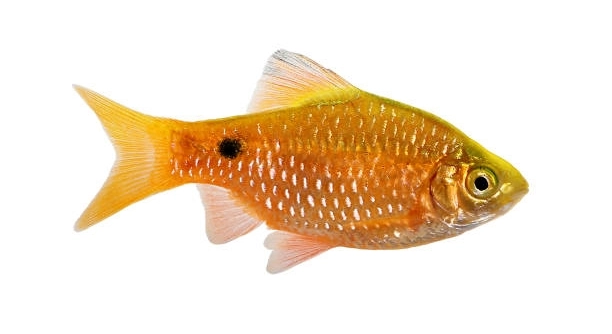
Rosy barbs are popular freshwater fish known for their bright colors and active nature. Many aquarium enthusiasts enjoy keeping them because they add life and movement to tanks. Choosing the right tank mates can help create a peaceful and balanced environment.
The best tank mates for rosy barbs are species that thrive in similar water conditions, exhibit non-aggressive behavior, and can handle the barbs’ energetic swimming style. Ideal companions include danios, gouramis, and some tetras, while slow-moving or delicate fish should be avoided to prevent stress or injury.
Finding the right companions ensures your rosy barbs stay healthy and happy. This article will help you understand which fish fit well alongside them and which should be kept separate.
Why Choosing the Right Tank Mates Matters
Keeping rosy barbs with the wrong tank mates can cause problems like stress, fighting, and poor health. Rosy barbs are active swimmers and can sometimes nip at slower or more delicate fish. If their tank companions don’t handle this energy well, they may become stressed or injured. Stress lowers a fish’s immune system, making them more prone to disease. It’s important to pick species that are peaceful but can keep up with the barbs’ swimming style. Matching water temperature, pH, and tank size needs is also essential. When the environment suits all fish, they live longer and behave better. By carefully selecting tank mates, you create a balanced tank where everyone can thrive.
Tank mates should have similar care requirements and temperaments to avoid conflict and stress.
Rosy barbs do well with other active, medium-sized fish. Avoid small, slow species that get bullied or outcompeted for food. Fish that can tolerate a water temperature between 68°F and 78°F and a pH of 6.5 to 7.5 usually get along with rosy barbs. Good tank mates need to be hardy and able to swim quickly enough to avoid nipping. It’s best to keep them in groups to reduce aggression. Monitoring behavior regularly helps catch any signs of trouble early. Selecting compatible species makes your aquarium a peaceful place to watch and enjoy.
Best Tank Mates for Rosy Barbs
Some species are known to be excellent companions for rosy barbs. Danios are fast swimmers and peaceful, making them a great match. Gouramis bring calm energy and tend to stay near the top of the tank, which helps avoid conflicts. Certain types of tetras, like black skirt tetras, share similar water needs and swimming habits. Other suitable mates include barbs of similar size and rainbowfish, which are active but not aggressive. These fish all tolerate the same water conditions and have temperaments that keep the tank balanced.
Choosing compatible fish helps reduce stress and keeps the tank peaceful.
When you add these fish together, they form a lively but calm community. Danios dart around quickly, while gouramis add a graceful presence. Tetras add color and movement without causing trouble. These species handle the rosy barbs’ playful nature well and don’t get stressed. They compete fairly for food and space without fighting. Keeping groups of each species reduces chances of aggression because they feel more secure. This combination creates a visually pleasing and healthy environment, making your aquarium more enjoyable to care for. Proper care and feeding keep all fish in good shape and happy together.
Tank Mates to Avoid
Some fish do not mix well with rosy barbs due to their slow nature or delicate fins. Species like bettas, guppies, and angelfish often become targets of nipping or may provoke aggression.
Bettas are territorial and may attack rosy barbs, leading to stress or injury on both sides. Guppies and other small, slow-moving fish have delicate fins that rosy barbs might nip at, causing damage or infection. Angelfish, though peaceful at times, can grow large and may intimidate or outcompete barbs for food. Avoiding these species helps maintain a peaceful tank environment where all fish can coexist without harm. Mixing incompatible fish often results in stress and illness, which shortens their lifespan.
Even fish with similar water needs may have differing temperaments that cause conflicts. Rosy barbs thrive best with active, non-aggressive companions rather than shy or delicate species.
Managing Aggression in Mixed Tanks
Aggression among tank mates can be managed by providing enough space and hiding spots. A crowded tank or lack of cover increases stress and fighting.
Using plants, rocks, and decorations to create hiding places helps fish feel secure. Rosy barbs are naturally curious but can become nippy when stressed or bored. Keeping them in groups of six or more reduces individual aggression because they focus on each other instead of other species. Regular feeding prevents competition over food, which is a common trigger for fights. Watching your tank daily for signs of bullying helps you intervene early, whether by rearranging the tank or separating aggressive fish. This approach keeps the community stable and peaceful.
Feeding Tips for Rosy Barbs and Their Tank Mates
Feeding all tank mates properly helps reduce aggression and keeps fish healthy. Offering a varied diet meets nutritional needs and prevents competition.
Feed flakes, pellets, and occasional live or frozen foods. Make sure food reaches all levels of the tank to satisfy different species.
Tank Size Recommendations
A tank size of at least 30 gallons is ideal for rosy barbs and their companions. This provides enough space for swimming and territory, reducing stress.
Larger tanks help maintain water quality and give fish room to avoid each other when needed. Overcrowding leads to aggression and poor health.
Water Parameters for Compatibility
Maintaining stable water parameters is crucial. Rosy barbs prefer temperatures between 68°F and 78°F and a pH level of 6.5 to 7.5. Keeping these stable helps all tank mates thrive.
Regular testing and water changes support a healthy environment, preventing stress and disease in the community.
FAQ
What are the best tank mates for rosy barbs?
The best tank mates are fish that can keep up with rosy barbs’ active swimming and tolerate similar water conditions. Examples include danios, certain tetras like black skirts, gouramis, and rainbowfish. These species are peaceful, hardy, and avoid conflict, making them great companions.
Can rosy barbs live with bettas?
Rosy barbs and bettas are not good tank mates. Bettas are territorial and can attack or stress out barbs. Rosy barbs may nip at bettas’ long fins, causing injury. Keeping them together usually leads to fights and stress for both fish.
Why do rosy barbs nip other fish?
Rosy barbs are naturally energetic and sometimes nip at slower or long-finned fish out of boredom or to establish dominance. This behavior can increase in small or overcrowded tanks without enough stimulation or hiding places. Providing plenty of space and tank mates of similar size helps reduce nipping.
How many rosy barbs should I keep together?
It’s best to keep at least six rosy barbs together. They are schooling fish and feel more secure in groups. Having more barbs spreads out any nipping behavior so it doesn’t target one fish too much. This also encourages natural social behavior and reduces stress.
What water temperature do rosy barbs prefer?
Rosy barbs thrive in temperatures between 68°F and 78°F (20°C–26°C). Keeping the water stable within this range helps them stay healthy and active. Sudden temperature changes can cause stress and lower their immune response.
Can I keep rosy barbs with goldfish?
Goldfish and rosy barbs have different care needs, so it’s not recommended to keep them together. Goldfish prefer cooler water and produce more waste, which can affect water quality. Rosy barbs need warmer water and faster filtration to stay healthy.
How often should I feed rosy barbs and their tank mates?
Feed rosy barbs small amounts twice a day. Use quality flakes, pellets, and occasional live or frozen foods like brine shrimp or bloodworms. Feeding small portions prevents leftover food from fouling the water and reduces competition between fish.
What should I do if rosy barbs are aggressive?
If aggression occurs, check tank size and stocking levels first. Make sure there’s enough space and hiding spots. Increase the group size of barbs to spread out aggression. Rearranging the tank or separating aggressive individuals temporarily can help restore peace.
Are rosy barbs compatible with shrimp or snails?
Rosy barbs may nip at small shrimp or snails, especially if they are slow-moving or small. If you want to keep invertebrates, choose larger, faster species or provide plenty of hiding places. Otherwise, they might be stressed or harmed.
How often should I change the water in a tank with rosy barbs?
Perform partial water changes of about 20-30% once a week. This helps maintain water quality by removing waste and toxins. Clean water reduces stress and keeps both rosy barbs and their tank mates healthy. Use a water conditioner to remove chlorine and chloramine.
Choosing the right tank mates for rosy barbs is important for a healthy aquarium. Rosy barbs are active fish that do best with other species that can keep up with their energy. Fish that are peaceful, hardy, and share similar water needs make the best companions. Avoiding slow-moving or delicate fish helps prevent stress and injury. When tank mates fit well together, the entire aquarium stays more balanced and enjoyable to watch. Paying attention to how fish behave with each other is key to maintaining harmony.
Proper tank size and environment also play a big role in keeping rosy barbs and their companions happy. A spacious tank with plenty of hiding spots reduces aggression and allows fish to feel safe. Regular water changes and monitoring water conditions keep the habitat healthy. Feeding fish a varied and balanced diet helps reduce competition and aggression during meal times. With good care and attention to tank mates, rosy barbs can live longer and be more active, which adds life to any freshwater setup.
In the end, creating a peaceful community tank takes some planning but is very rewarding. Understanding which fish get along and how to manage their needs makes a big difference. Rosy barbs are beautiful and lively fish that deserve a home where they can thrive. Taking time to choose the right companions and providing a good environment will lead to a happy aquarium for both the fish and the keeper. With patience and care, your tank will be a pleasant and peaceful place for all its inhabitants.

Hello,
If you enjoy the content that we create, please consider saying a "Thank You!" by leaving a tip.
Every little bit helps us continue crafting quality advice that supports the health, happiness, and well-being of pets around the world, for pets of all shapes, sizes, and species.
We really appreciate the kindness and support that you show us!