
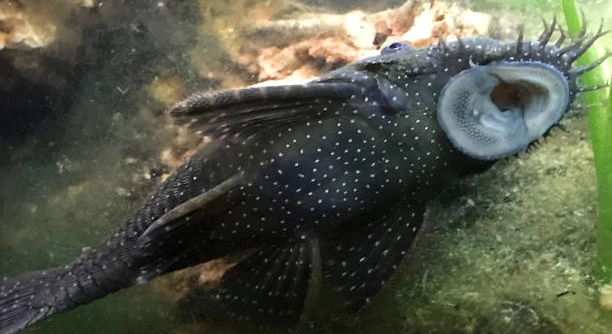
Plecostomus are popular fish in the aquarium world, known for their algae-eating habits and unique appearance. If you have one in your tank, choosing the right tank mates is essential to maintaining a peaceful and healthy environment.
The best tank mates for plecostomus are peaceful fish that thrive in similar water conditions, such as tetras, guppies, and corydoras. These species are compatible due to their gentle nature and shared environmental needs. Avoid aggressive or overly territorial species.
Selecting the right companions for your plecostomus can improve their well-being and help your tank thrive. Understanding which fish are compatible and which should be avoided is crucial for creating a balanced aquatic community.
Best Tank Mates for Plecostomus
When choosing tank mates for your plecostomus, it’s important to focus on peaceful species that can coexist in similar water conditions. Plecos are bottom dwellers, so it’s best to choose tank mates that occupy other parts of the tank. Avoid fish that might harass or outcompete your pleco for food or space. Good options include species like tetras, guppies, and corydoras, which are small, peaceful, and thrive in the same water parameters.
These fish not only get along with plecos but also help keep your tank vibrant and balanced. It’s key to select species that won’t stress your pleco or become too aggressive.
Fish like the neon tetra, for example, are small and peaceful. They prefer the same water temperature and pH levels as plecos. Corydoras catfish are another great choice. They are also bottom dwellers, so they won’t interfere with your pleco’s space. They can coexist peacefully while keeping your aquarium lively.
Fish to Avoid with Plecostomus
Some fish are simply not suitable tank mates for plecostomus. Predatory or aggressive species should be avoided.
Fish like large cichlids or aggressive barbs can stress or harm your pleco. Plecos are usually peaceful, and their size and armor make them resilient, but constant aggression from tank mates can cause harm over time. Aggressive species tend to target plecos, especially during feeding times. It’s important to select species that match your pleco’s temperament.
Also, fish that require different water conditions may not be ideal tank mates. For example, fish that need softer water or different pH levels could affect the pleco’s health. Plecos thrive in slightly alkaline water with a temperature range of 74-80°F, so sticking with fish that prefer similar conditions is a must.
Best Freshwater Fish for Plecostomus
When choosing freshwater fish to share a tank with your plecostomus, opt for species that are peaceful and can handle the same water conditions. Fish like guppies, mollies, and rasboras fit well with plecos.
These fish are not only compatible in terms of temperament but also have similar environmental needs. Guppies and mollies, for instance, thrive in slightly alkaline water and a temperature range that suits plecos. They also stay out of the way of plecos, allowing them to go about their algae-eating business without interference.
Rasboras are another great match. Their small size and peaceful nature make them ideal companions. They occupy the upper part of the tank, leaving plenty of space for the pleco to roam the bottom. This reduces stress for both species. Avoid overcrowding to ensure each fish has its own space and that water quality stays high.
Tank Mates That Share Space Well
It’s crucial to select tank mates that can peacefully share the tank without fighting over territory or food.
Plecos are bottom dwellers, so it’s helpful to add fish that stay in other parts of the tank. Fish like neon tetras, which swim in the middle or upper levels of the aquarium, won’t interfere with the pleco’s habitat. Similarly, rasboras and guppies generally stick to the upper parts of the tank, allowing your pleco to focus on its bottom-dwelling duties without stress. When fish occupy different levels, it reduces the likelihood of competition for space or resources.
Having fish that complement your pleco’s role as a bottom feeder also helps maintain a clean tank. For example, if you have peaceful mid-level swimmers like tetras, they help keep the water clear while the pleco handles algae. This natural division of labor creates a balanced and harmonious tank.
Best Bottom-Dwelling Tank Mates for Plecostomus
Corydoras catfish make excellent tank mates for plecostomus. These peaceful bottom dwellers won’t compete with your pleco for food or space. They are also small, social fish that prefer the same water conditions as plecos.
Corydoras help keep the bottom of the tank clean without disturbing the pleco. They both thrive in similar environments, creating a balanced, peaceful tank. They are also fun to watch as they scurry around the substrate.
Fish That Tolerate Similar Water Conditions
Many peaceful fish tolerate the same water conditions as plecos. Fish like guppies, mollies, and platies are good choices. They can all handle slightly alkaline water, similar temperatures, and are generally calm.
These fish are not only compatible with plecos but also contribute to a harmonious environment. They will swim in different levels of the tank, leaving plenty of room for your pleco. Maintaining good water quality is easier when all tank mates have similar needs.
Fish to Avoid with Plecostomus
Aggressive species should be avoided when choosing tank mates for plecostomus.
Predatory fish like larger cichlids and certain barbs can pose a threat to plecos, especially during feeding time. These fish are territorial and may target your pleco, leading to stress or even injury. Keeping plecos with non-aggressive, peaceful fish ensures a happier tank for all.
FAQ
Can plecostomus live with other bottom dwellers?
Yes, plecostomus can live with other bottom-dwelling fish, but it’s important to choose species that won’t compete for space or food. Corydoras catfish are a great option because they are peaceful and won’t disturb your pleco. However, avoid overcrowding the bottom area of the tank, as it may lead to stress or territorial disputes. Make sure there’s enough space for both species to coexist comfortably.
What is the ideal water temperature for plecostomus and their tank mates?
Plecostomus thrive in water temperatures between 74-80°F (23-27°C). It’s important to keep the tank within this range to ensure the health of both your pleco and its tank mates. Many compatible species, like tetras and corydoras, also prefer similar temperatures. Maintaining a stable water temperature helps prevent stress and health issues for all the fish.
Are plecostomus aggressive toward other fish?
Plecostomus are generally peaceful fish and are not known to be aggressive. However, they can become territorial if they feel overcrowded or stressed. It’s best to avoid adding overly aggressive fish like large cichlids or certain species of barbs, as these fish may cause stress or harm to your pleco. A calm, peaceful tank is the key to keeping a happy pleco.
What fish should I avoid with plecostomus?
Avoid keeping plecostomus with aggressive or overly territorial fish. Species like large cichlids, barbs, or other predatory fish are not suitable tank mates. These fish may harass the pleco, leading to stress or injury. It’s also important to avoid fish that need significantly different water conditions, as this can affect the health of both the pleco and its tank mates.
Can plecostomus live with goldfish?
While plecostomus and goldfish can technically live together, it’s not the best pairing. Goldfish are cold-water fish and prefer temperatures between 65-75°F (18-24°C), which is lower than the ideal range for plecos. Additionally, goldfish can be quite messy eaters, which can lead to poor water quality that may harm your pleco. It’s best to keep these species in separate tanks with water conditions suited to each.
How big should the tank be for a plecostomus and its tank mates?
For a single plecostomus, a 30-gallon tank is usually the minimum size, as these fish can grow quite large, depending on the species. If you are adding other fish, especially active species, a larger tank of at least 50 gallons is recommended. Larger tanks offer more space for all fish to spread out, reducing stress and territorial issues.
Can plecostomus live with shrimp or snails?
Yes, plecostomus can live with shrimp and snails, as long as the species are peaceful. Plecos are primarily algae eaters, so they are not likely to bother shrimp or snails. However, be cautious with smaller shrimp species, as some plecos might accidentally disturb or eat them. Snails can coexist with plecos, but they may sometimes compete for algae on the glass. Ensure that your tank has enough resources for all inhabitants.
What type of food do plecostomus need?
Plecostomus are primarily herbivores, feeding mostly on algae and plant matter. They can also be offered specialized algae wafers and sinking pellets to supplement their diet. In addition to algae, you can provide them with fresh vegetables like zucchini, cucumber, and spinach. While plecos are excellent at cleaning up algae, they still need a well-balanced diet to stay healthy.
Can plecostomus live with bettas?
It’s not recommended to keep plecostomus with bettas. Bettas are territorial and can become aggressive, especially towards other fish that have long fins or are perceived as a threat. Plecostomus are peaceful, but the betta’s aggression could cause stress. Additionally, bettas prefer slightly warmer water temperatures than plecos, which can create complications. It’s best to avoid this combination.
What kind of decorations are best for plecostomus tanks?
Plecostomus enjoy tanks with plenty of hiding spots and surfaces to graze on, such as driftwood and rocks. Driftwood is particularly important, as it provides a surface for algae to grow, giving your pleco a natural food source. Large rocks or caves also provide hiding places where your pleco can feel secure. Make sure decorations don’t create sharp edges that could injure your pleco’s sensitive underside. A well-decorated tank will help your pleco feel comfortable and reduce stress.
Do plecostomus need a filter?
Yes, plecostomus need a good filtration system. These fish are excellent at eating algae, but they still produce waste that can affect water quality. A strong filter will help maintain clean water and promote a healthy environment for all fish. It’s essential to choose a filter that suits the size of your tank and helps maintain stable water parameters. Regular water changes are also important to keep the tank in optimal condition for your pleco and other fish.
Final Thoughts
When selecting tank mates for your plecostomus, it’s essential to choose peaceful fish that share similar water conditions. Plecos are bottom-dwelling fish, so it’s best to add species that occupy the middle or top levels of the tank to avoid overcrowding. Fish like tetras, guppies, and corydoras are ideal choices as they are small, calm, and thrive in slightly alkaline water with a temperature range of 74-80°F. By choosing fish with similar needs, you’ll ensure a peaceful and harmonious environment for your pleco and other tank mates.
It’s also important to avoid aggressive species or fish that require different water conditions. Larger, territorial fish like cichlids or barbs can cause stress or harm to your plecostomus. Additionally, fish that need cooler or warmer water may not be suitable tank mates. Maintaining the right balance in your tank is key to keeping your pleco and its companions healthy. Proper tank size and avoiding overcrowding can also make a big difference. A larger tank allows for more space for each fish and helps reduce stress, ensuring all the inhabitants have enough room to thrive.
Overall, by carefully selecting compatible tank mates and maintaining a stable environment, you can create a thriving, peaceful aquarium. Remember that every fish species has its unique needs, and understanding those requirements will help you avoid common pitfalls. With the right tank mates and a well-maintained tank, your plecostomus will live happily alongside its companions, creating a beautiful and balanced aquatic setup.

Hello,
If you enjoy the content that we create, please consider saying a "Thank You!" by leaving a tip.
Every little bit helps us continue crafting quality advice that supports the health, happiness, and well-being of pets around the world, for pets of all shapes, sizes, and species.
We really appreciate the kindness and support that you show us!