
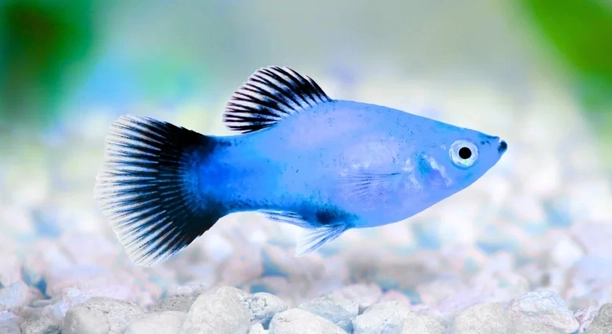
Do your platies seem peaceful but you’re unsure which tank mates will truly get along with them in a shared environment?
The best tank mates for platies are those that match their peaceful nature and water requirements. Ideal companions include mollies, guppies, swordtails, cory catfish, snails, tetras, and bristlenose plecos.
These combinations help maintain a balanced aquarium while keeping your platies stress-free and active.
Mollies
Mollies are one of the easiest fish to pair with platies. They are peaceful, active, and share similar water conditions, making them ideal for community tanks. Both species thrive in slightly hard, alkaline water and prefer warmer temperatures. Mollies also come in many color variations, so they blend in well with the vibrant look of platies. These fish are livebearers just like platies, and their temperaments match nicely. While they’re generally easy-going, mollies can sometimes get pushy if crowded or stressed. A good ratio of space and hiding spots helps avoid this. They also enjoy swimming throughout the tank, just like platies, which helps reduce boredom and aggression. Feeding is simple since both eat flakes, pellets, and the occasional plant matter. You won’t need to fuss over different diets. As long as the tank stays clean and balanced, mollies will live comfortably alongside platies without much trouble or drama.
Mollies prefer being in small groups. This helps lower stress and encourages natural behaviors.
They also add a lively presence to the tank, moving around actively while keeping things calm. Just be sure the tank isn’t overcrowded to avoid tension among fish.
Guppies
Guppies are a smart choice when keeping things low-maintenance. They’re peaceful, colorful, and adapt easily to similar tank conditions as platies.
Platies and guppies get along well because they share calm temperaments and similar care needs. Guppies are small, energetic fish that bring movement to the tank without disturbing others. They don’t require much space and enjoy being in small groups. Like platies, guppies are livebearers, so you may notice new fry appearing now and then if both sexes are present. Make sure you have plants or decorations for hiding spots if breeding happens. Diet-wise, guppies and platies eat the same things: flakes, pellets, and freeze-dried treats. This makes feeding simple and consistent. Just be cautious not to overfeed since both species will eat more than they need if given the chance. With proper care and a peaceful setup, guppies and platies can thrive side by side and brighten your tank with their colors and gentle behavior.
Swordtails
Swordtails are active fish that match platies well in both temperament and care needs. They are slightly larger but remain peaceful, making them a good fit for a community tank. Both enjoy similar temperatures and water conditions, which makes setup easier.
These fish prefer swimming in open areas and tend to stay active throughout the day. Males have a long, sword-like tail, which gives them their name. Just like platies, swordtails are livebearers, so you might see fry if both sexes are present. They don’t usually bother other fish, but males can sometimes chase each other. Keeping one male with multiple females helps reduce this behavior. Both species enjoy the same diet and don’t require special feeding routines. If the tank has enough space and plants for hiding, swordtails and platies will do well together. They create a bright, active environment that stays peaceful and easy to manage.
Swordtails adapt easily and handle different environments well. They’re social and feel more secure in small groups. A 20-gallon tank or larger is ideal to support their energy and allow room for swimming. With proper care and a balanced tank setup, they’ll stay active and healthy alongside your platies, keeping the aquarium lively without causing stress or conflict.
Cory Catfish
Cory catfish are peaceful bottom dwellers that help keep the tank clean while avoiding any conflict with platies. They stay small, friendly, and prefer living in small groups of the same kind.
These fish like soft substrates since they spend their time scavenging along the bottom. Their gentle nature means they never bother platies or other fish. Corys eat leftover food, which helps keep the tank tidy, but they still need a varied diet of sinking pellets and occasional treats. They enjoy hiding places, low lighting, and well-oxygenated water. Since they stay at the bottom and platies swim in the middle and top, they won’t compete for space. It’s best to keep them in groups of at least four so they feel secure. Regular water changes and a steady filter help maintain their health. Cory catfish are calm, useful tank mates that support a balanced and peaceful aquarium.
Bristlenose Plecos
Bristlenose plecos are quiet, algae-eating fish that stay mostly at the bottom of the tank. They don’t bother platies and help keep surfaces clean. Their calm nature and similar water preferences make them easy to manage in shared tanks.
They prefer caves and driftwood for hiding and feel more secure with plenty of cover. These fish are mostly active at night but will occasionally come out during the day. They need sinking pellets, vegetables, and occasional algae wafers to stay healthy.
Neon Tetras
Neon tetras are peaceful, small schooling fish that do best in groups of six or more. They stay near the middle of the tank, away from plecos and platies, which helps avoid crowding. These fish are sensitive to water changes, so stable conditions are important. They’re colorful, quick, and easy to feed.
Mystery Snails
Mystery snails clean leftover food and algae without bothering tank mates. They are peaceful, slow-moving, and help support tank cleanliness while coexisting well with platies.
What tank conditions do platies need to thrive with their tank mates?
Platies thrive in water temperatures between 70°F and 78°F (21°C to 26°C). The pH should be slightly alkaline, around 7.0 to 8.0, with moderate hardness. These conditions suit most of their compatible tank mates like mollies, swordtails, and guppies. Maintaining clean water with regular changes is crucial to avoid stress or disease. A filter that provides gentle water flow is best, as platies prefer calmer environments. The tank should be at least 20 gallons to provide enough space for swimming and territory. Plants and hiding spots are helpful, as they make platies feel secure and reduce aggression from other fish. Keeping the water stable without sudden changes helps all species in the tank stay healthy and active.
Can platies live with aggressive fish?
Platies are peaceful fish and do not do well with aggressive or territorial species. Aggressive fish can stress platies, leading to health problems or injury. It’s important to avoid tank mates that nip fins, chase, or dominate space. Choosing species with calm temperaments and similar size helps maintain a peaceful tank environment. If you want to include more active or territorial fish, make sure the tank is large enough with plenty of hiding places to reduce conflicts. Overall, sticking to peaceful companions like those listed in this guide will ensure platies stay comfortable and healthy.
How many tank mates can I keep with my platies?
The number of tank mates depends on the size of your aquarium and the adult size of the fish. A 20-gallon tank comfortably supports a small community of platies and about 4 to 6 compatible tank mates, like guppies, mollies, or cory catfish. Overcrowding can lead to poor water quality, stress, and aggression. Be mindful of the total bioload—how much waste the fish produce—and keep up with water changes. Always research the adult size and behavior of each species before adding them. Balancing the number of fish with the tank size helps maintain a healthy environment for all inhabitants.
Do platies need special diets when housed with other fish?
Platies have simple dietary needs and do well on a varied diet of high-quality flakes, pellets, and occasional live or frozen foods. Their tank mates often have similar feeding requirements. For example, guppies and mollies eat similar foods, while bottom dwellers like cory catfish prefer sinking pellets or wafers. It’s important to provide a balanced diet that meets the needs of all species in the tank. Feeding small amounts multiple times a day helps prevent uneaten food, which can pollute the water. Monitor feeding to ensure all fish get enough food without overfeeding.
Will platies breed with their tank mates?
Platies are livebearers and will breed easily in community tanks, especially if males and females are kept together. Some of their tank mates, like mollies and guppies, also breed live young, which can lead to multiple fry in the tank. This can increase the population quickly if not managed. Providing plenty of plants or breeding traps helps protect fry from being eaten by adults or other fish. If breeding is not desired, keeping only one gender or separating males and females can reduce fry production. Remember that a larger population will require more maintenance and filtration.
Are snails a good addition to a platy tank?
Yes, snails like mystery snails or nerite snails are excellent additions. They help clean algae and leftover food without bothering the fish. Snails are peaceful and require similar water conditions. However, avoid overfeeding because excess food can cause snail populations to explode. Snails also produce waste, so regular tank maintenance is necessary to keep water quality high. Their slow movement and interesting appearance add variety to the tank, making them enjoyable to watch alongside active platies.
How do I prevent aggression among platies and their tank mates?
To prevent aggression, keep the tank spacious and well-decorated with plants, caves, and hiding places. This helps reduce territorial disputes by allowing fish to establish their own space. Avoid overcrowding, which can increase stress and cause fish to act aggressively. Choose tank mates with similar peaceful temperaments and avoid fin-nippers or overly active species. Regularly observe fish behavior and separate any aggressive individuals if necessary. Maintaining good water quality and feeding routines also reduces stress-related aggression.
What signs show that tank mates are not compatible with platies?
Signs of incompatibility include chasing, fin nipping, hiding, loss of appetite, and stressed or injured fish. If you notice your platies or other fish spending most of their time hiding or acting lethargic, it may indicate stress from aggressive tank mates. Damaged fins or constant bullying are clear signs of trouble. Water quality problems can worsen when fish are stressed, leading to illness. If these signs appear, it’s best to re-evaluate tank mates and consider separating aggressive fish or adjusting the environment to reduce conflict.
How often should I perform tank maintenance with platies and their tank mates?
Perform partial water changes of 20-30% every week or every two weeks, depending on the tank size and fish load. Regular cleaning prevents waste buildup and maintains stable water conditions. Check the filter regularly and clean or replace media as needed without disturbing beneficial bacteria too much. Remove uneaten food daily to avoid fouling the water. Keep an eye on water parameters like ammonia, nitrite, nitrate, and pH to catch problems early. Consistent maintenance supports the health of both platies and their tank mates, reducing disease risk.
Can platies live with shrimp or other invertebrates?
Platies can coexist with larger, peaceful shrimp species like Amano shrimp or ghost shrimp. These shrimp help clean algae and detritus without threatening the fish. However, small shrimp or baby shrimp may sometimes be eaten by platies, so success depends on tank size and hiding spots. Provide plenty of plants and decorations for shrimp to hide. Avoid aggressive or territorial fish that may harm shrimp. Overall, peaceful shrimp species can be a useful and attractive addition to a platy tank when properly cared for.
When choosing tank mates for platies, it is important to focus on compatibility in terms of temperament, size, and water requirements. Platies are peaceful fish that do best with other calm species. Selecting fish that share similar environmental needs helps create a stable and healthy aquarium. Mollies, guppies, swordtails, cory catfish, neon tetras, bristlenose plecos, and mystery snails all fit well with platies. These companions generally avoid conflict, have manageable care needs, and contribute to a balanced ecosystem in the tank. Maintaining clean water and providing enough space with hiding spots will also help keep all fish comfortable and reduce stress.
Careful attention to diet and tank maintenance is essential when keeping a mixed community. Platies and their tank mates usually accept similar food types, such as flakes, pellets, and occasional live or frozen treats. Feeding small amounts several times a day prevents leftover food from polluting the tank. Regular water changes, filter upkeep, and monitoring water parameters protect fish health and water quality. Overcrowding should be avoided, as it increases waste and raises the risk of aggression. Providing plants and decorations offers shelter and helps fish establish territories, which leads to a more peaceful environment.
Keeping platies with compatible tank mates can be very rewarding. These fish add color and activity to the aquarium without causing trouble when matched properly. While platies may breed easily in community tanks, planning ahead for fry and population control helps maintain balance. Including peaceful bottom dwellers and invertebrates like cory catfish and mystery snails can enhance the tank’s cleanliness and overall harmony. Ultimately, paying attention to species behavior, water needs, and tank conditions leads to a successful community aquarium where platies and their companions thrive together.

Hello,
If you enjoy the content that we create, please consider saying a "Thank You!" by leaving a tip.
Every little bit helps us continue crafting quality advice that supports the health, happiness, and well-being of pets around the world, for pets of all shapes, sizes, and species.
We really appreciate the kindness and support that you show us!