
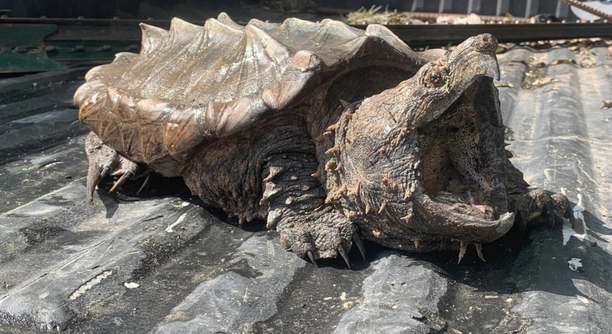
Alligator snapping turtles are fascinating creatures, and finding the right tank mates for them is important for a healthy habitat. These turtles can have a unique temperament, making tank mate selection a careful decision.
The best tank mates for alligator snapping turtles should be sturdy, non-aggressive, and able to coexist in similar water conditions. Fish, amphibians, and other reptiles that fit these criteria make suitable companions, ensuring the turtles’ health and comfort.
Choosing compatible tank mates can create a more balanced ecosystem for your alligator snapping turtle. Understanding their behavior and habitat needs is crucial for fostering a peaceful environment for all inhabitants.
Choosing the Right Tank Mates for Alligator Snapping Turtles
Selecting the right tank mates for alligator snapping turtles can make a significant difference in their overall well-being. These turtles have strong, sometimes aggressive, personalities, which is why it’s important to choose tank mates that are hardy and can handle their presence. Tank mates that are too small or fragile can easily become targets for the turtle’s powerful bite. In addition, the water temperature, pH level, and tank size need to match the needs of all the species. While it may be tempting to add colorful fish or delicate creatures, choosing creatures that are durable and able to coexist in the same water environment is key.
Even with all the considerations for tank conditions, the right temperament is crucial when choosing tank mates. Look for species that will remain calm in the presence of the turtle and avoid species known to be aggressive or territorial. A peaceful environment helps reduce stress for all animals involved, including the alligator snapping turtle.
When selecting tank mates for your alligator snapping turtle, it’s essential to choose species that won’t compete with the turtle for food. Larger fish, amphibians, and other reptiles are usually ideal, as they won’t intimidate the turtle or cause unnecessary stress. Avoid creatures that are likely to have similar feeding habits, as this can create conflict over resources. Additionally, tank mates should be able to adapt to the water conditions required for the alligator snapping turtle. It’s essential to monitor water quality frequently to ensure all species thrive.
Fish Tank Mates for Alligator Snapping Turtles
Fish are among the most popular tank mates for alligator snapping turtles. However, it’s essential to choose fish that are large enough not to be seen as prey. Species such as catfish or large goldfish are often good choices, as they are durable and won’t easily be eaten. Fish that are too small are at risk of being attacked, so size matters when selecting tank mates.
Choosing the right fish is essential for maintaining a balanced tank. Fish like koi, tilapia, or bass can coexist peacefully with alligator snapping turtles. However, it’s best to avoid aggressive species or fish that are too small. Keeping a balance of size and temperament will ensure both the fish and turtle are comfortable. Additionally, make sure the fish are not known for nibbling on plants or disturbing the turtle’s environment. As long as fish are selected carefully, they can provide a harmonious addition to your turtle’s habitat.
Amphibians as Tank Mates for Alligator Snapping Turtles
Amphibians can be a great addition to an alligator snapping turtle’s tank, but they require careful selection. Larger, sturdy amphibians are ideal to withstand the snapping turtle’s occasional aggression. Species like bullfrogs or axolotls can coexist with turtles if they are well-matched in size and behavior.
When adding amphibians, make sure they are capable of handling the same water temperature and conditions as your alligator snapping turtle. Avoid species that are too small or delicate, as they can easily become prey. Amphibians that are hardy enough to survive in the turtle’s environment are less likely to face stress, creating a more balanced habitat. Keeping an eye on their interactions is crucial, as some amphibians may be more susceptible to injury or stress. Choose amphibians with similar care needs and temperament to the turtle for a peaceful tank.
Compatibility between amphibians and alligator snapping turtles depends on the species. Be sure to research each amphibian’s diet and behavior to prevent competition or aggression. Amphibians that do not require the same level of maintenance or attention can fit in well. It’s also important to provide enough space and hiding spots to reduce potential stress, as both creatures need space to thrive. Balancing the needs of both species will result in a more comfortable environment for all.
Reptiles as Tank Mates for Alligator Snapping Turtles
Reptiles, especially larger ones, can be suitable tank mates for alligator snapping turtles. Certain turtle species, like softshell or other snapper types, are often selected to cohabitate with the alligator snapping turtle due to their similar needs and hardy nature. It’s crucial that the reptiles chosen are not smaller than the alligator snapping turtle, as they could become prey.
When choosing reptiles, select those with similar care requirements. Turtles, lizards, or larger amphibians that are sturdy and share the same tank temperature and water conditions can live peacefully. Keep in mind that some reptiles can be territorial, so size and temperament play an important role in cohabitation. For example, larger turtles tend to be a better fit than smaller ones, as they’re less likely to be attacked by the alligator snapping turtle.
Additionally, it’s important to consider the behavior of the reptiles in question. Some reptiles may be more active and inquisitive, while others are more passive. Those that stay calm and don’t actively challenge the snapping turtle’s dominance are often the best tank mates. Avoid reptiles that are overly aggressive or territorial, as this can lead to stress and potential injuries. Ensuring all reptiles share compatible living conditions is key for a smooth and healthy environment.
Crustaceans as Tank Mates for Alligator Snapping Turtles
Crustaceans can be suitable tank mates for alligator snapping turtles. However, they should be robust enough to handle the snapping turtle’s active behavior. Species like large crayfish can be a good choice, as they are durable and not easily intimidated by the turtle.
Crustaceans, such as snails or crayfish, can contribute to the cleanliness of the tank by helping control algae and organic waste. But it’s important to choose species that can survive the turtle’s powerful movements and occasional nips. Crustaceans that are too small can easily be eaten, so size matters.
Snakes as Tank Mates for Alligator Snapping Turtles
Snakes can coexist with alligator snapping turtles in large, properly managed tanks. Species like water snakes can live with turtles, as long as they are not too small. Both animals share similar environmental needs, making them a suitable pairing in specific conditions.
While snakes can be great tank mates, it’s important to select non-aggressive species. The snake must be large enough not to be considered prey by the turtle. Snakes also need ample hiding spaces and must be kept in tanks with proper water conditions to avoid stress. When both animals are comfortable in the same environment, they can coexist peacefully.
FAQ
What size tank do I need for an alligator snapping turtle and its tank mates?
Alligator snapping turtles require a large tank due to their size and active nature. A tank of at least 75 gallons is recommended for a single turtle, with additional space needed for each new tank mate. The size of the tank is crucial not only for the turtle’s comfort but also to allow other species adequate space to thrive without overcrowding. A larger tank also helps maintain water quality, which is essential for the health of all the inhabitants. Make sure the tank is equipped with proper filtration to handle the waste produced by the turtle and its tank mates.
Can I keep multiple alligator snapping turtles together?
Keeping multiple alligator snapping turtles in the same tank is not ideal. These turtles can be territorial and often display aggression, particularly during feeding time or mating seasons. If you decide to house more than one snapping turtle, a very large tank is required, along with multiple hiding spots to reduce conflicts. However, even with adequate space, it’s still difficult to guarantee peaceful cohabitation. It’s generally recommended to keep them alone to avoid potential fights and stress.
Can I put a smaller turtle in the same tank as an alligator snapping turtle?
It’s not recommended to place smaller turtles in a tank with an alligator snapping turtle. These turtles have powerful jaws and an aggressive nature, and a smaller turtle could easily become prey. Even if the smaller turtle is a similar species, the size difference can create an imbalance in the tank, leading to stress or injury. If you do want to keep other turtles, ensure they are similarly sized and not overly timid, but still exercise caution.
What kind of food do alligator snapping turtles eat?
Alligator snapping turtles are carnivorous and prefer a diet rich in protein. They eat fish, amphibians, crustaceans, and occasionally, aquatic plants. In a tank with multiple species, it’s essential to ensure that the turtle’s food does not disrupt the feeding habits of its tank mates. Additionally, it’s crucial to feed your snapping turtle a variety of proteins, including live fish and meat, to ensure its nutritional needs are met. Be mindful of tank mates’ dietary needs and make sure they aren’t competing for the same food.
Can I keep alligator snapping turtles with other fish?
You can keep alligator snapping turtles with fish, but the fish must be large enough not to become prey. Fish species like large goldfish, catfish, and koi can coexist with the turtle, provided they are big enough to avoid being eaten. Smaller fish are at risk, especially if they are slow-moving. It’s important to monitor the interactions between the turtle and the fish, as some turtles may become overly aggressive and chase or bite the fish.
What is the best water temperature for alligator snapping turtles?
Alligator snapping turtles prefer a water temperature between 72°F and 78°F (22°C and 26°C). Maintaining a consistent water temperature within this range is crucial for their health and activity levels. If the water is too cold, they may become lethargic, while temperatures that are too high can lead to stress and health issues. Investing in a reliable water heater and thermometer will help maintain the proper temperature and ensure the well-being of your turtle and its tank mates.
Can alligator snapping turtles live with amphibians?
Yes, amphibians can live with alligator snapping turtles as long as they are large enough and resilient enough to handle the turtle’s temperament. Species like bullfrogs and axolotls are often suitable tank mates. However, smaller or more delicate amphibians may become prey. It’s important to choose amphibians that can tolerate the same water conditions and are not overly timid. In a well-maintained tank with enough space, amphibians can coexist peacefully with snapping turtles.
How often should I clean the tank for an alligator snapping turtle?
Cleaning the tank regularly is essential to maintain a healthy environment for your alligator snapping turtle. The tank should be cleaned at least once a week, with partial water changes done more frequently (every few days) to maintain water quality. The turtle’s powerful feeding and waste habits can quickly dirty the tank, which can lead to poor water quality if not managed properly. Regularly check the water parameters, such as pH, ammonia, and nitrate levels, and use a good filtration system to help manage waste.
What kind of substrate should I use in the tank?
Alligator snapping turtles do well with a soft substrate like fine sand, which is easy on their sensitive skin and allows them to dig if desired. Avoid gravel, as the turtle may swallow it, causing potential digestive issues. The substrate should be easy to clean, as turtles can be messy eaters. For the tank’s bottom, you can also use a smooth, non-abrasive surface like bare-bottom tanks or a thin layer of sand. Ensure there are areas of solid surface and soft substrate for both comfort and ease of cleaning.
Can alligator snapping turtles live in brackish water?
Alligator snapping turtles typically prefer freshwater environments but can tolerate slight brackish water if necessary. However, they do best in a freshwater tank with good filtration. If you keep the turtle in brackish water, it is essential to monitor the salinity levels closely. These turtles are not adapted to high salinity levels, so it’s crucial to ensure that the water remains within a safe range. For optimal health, a freshwater environment is generally recommended.
Final Thoughts
Alligator snapping turtles are fascinating creatures with unique needs that make them a bit more challenging to care for compared to other turtle species. Their powerful jaws, large size, and carnivorous diet require careful attention when selecting tank mates and maintaining their environment. These turtles thrive best when provided with a spacious tank, appropriate water temperature, and a balanced diet. Understanding their behavior, particularly their territorial nature, is key to ensuring their well-being and the safety of other tank inhabitants. It’s essential to remember that their temperament can vary, and they may not always be compatible with other animals in the tank.
When choosing tank mates for alligator snapping turtles, it’s crucial to consider species that are either large enough to avoid being seen as prey or robust enough to withstand any aggressive behavior from the turtle. While fish, crustaceans, and amphibians can sometimes live alongside them, caution is required. Always ensure that the animals you add to the tank are capable of coexisting peacefully with the snapping turtle’s active lifestyle. Proper research into each species’ needs, size, and behavior is essential for creating a harmonious and healthy environment for all the animals involved.
Lastly, proper tank maintenance cannot be overlooked. Alligator snapping turtles are messy eaters, and their waste can quickly pollute the water. Regular water changes, filter cleaning, and monitoring of water quality will help prevent health issues for both the turtle and its tank mates. The tank setup should provide plenty of space, hiding spots, and areas for the turtle to feel secure. Ensuring a balanced, clean, and well-maintained environment will help your alligator snapping turtle thrive and keep the tank mates safe and happy as well. With the right care and attention, these turtles can make a fascinating addition to your home aquarium.

Hello,
If you enjoy the content that we create, please consider saying a "Thank You!" by leaving a tip.
Every little bit helps us continue crafting quality advice that supports the health, happiness, and well-being of pets around the world, for pets of all shapes, sizes, and species.
We really appreciate the kindness and support that you show us!