
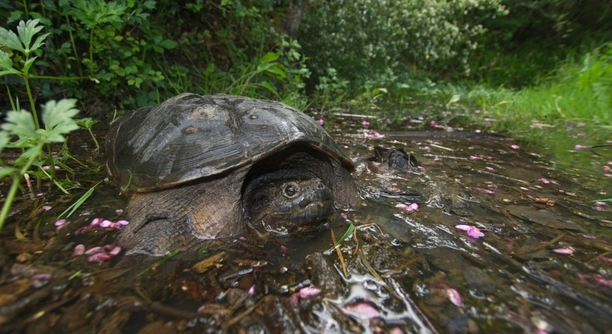
A common snapping turtle can be a unique addition to your home aquarium, but it’s important to select the right tank mates. Their size, personality, and natural behaviors need to be considered when choosing other aquatic creatures.
The best tank mates for a young common snapping turtle are peaceful, small, and non-aggressive species. Fish like minnows, certain species of frogs, and aquatic invertebrates such as snails are suitable companions. These species are resilient and can tolerate the snapping turtle’s presence.
Understanding the dynamics of tank mates is key to maintaining a peaceful environment. It’s important to choose species that can coexist safely with your turtle.
Choosing the Right Tank Mates for Your Young Snapping Turtle
When selecting tank mates for your young snapping turtle, it’s essential to consider their size and temperament. Snapping turtles are naturally territorial and may show aggression towards smaller creatures. Ideal tank mates should be able to avoid being intimidated by the turtle, but also able to hold their own if necessary. Fish like minnows and certain types of frogs can often share space with a snapping turtle. Additionally, snails and other small, hardy invertebrates can thrive in the same environment without the risk of becoming a snack. Be cautious about species that are slow-moving or have soft bodies, as they may become easy targets.
Smaller, faster-moving fish are the best choices for tank mates, as they can avoid the turtle’s attention. Species such as guppies and goldfish can make great companions. Just make sure the fish you select won’t be too easy to catch.
In addition to choosing the right species, the overall size of the tank is important. A spacious tank will allow each creature to have their own territory and avoid constant conflict. Snapping turtles are known to be messy, so keeping a large filter and cleaning system in place is crucial to maintain a healthy environment for all inhabitants. Always monitor the turtle’s interactions to ensure they aren’t stressing out or harming other tank mates.
The Importance of Tank Size
The size of your tank plays a major role in keeping peace. A larger tank offers ample space for the snapping turtle and its tank mates to live without feeling crowded. A crowded tank can lead to stress and territorial behavior.
A 75-gallon tank or larger is ideal for a young snapping turtle. The extra space allows tank mates to thrive and gives the turtle room to roam. With the right setup, everyone will have enough space to stay healthy and comfortable.
Best Fish for Tank Mates
Guppies and minnows are often the best fish companions for a young snapping turtle. These fish are fast swimmers, so they can evade the turtle’s attention and avoid becoming an easy snack. Additionally, their small size makes them less likely to challenge the turtle’s territory.
Guppies thrive in schools, so keeping a group in the tank will help them feel secure. Minnows, too, are quick and can easily escape a snapping turtle’s reach. Both species are resilient and can tolerate the water conditions often found in a turtle’s tank. Keep in mind, however, that you should monitor their interactions closely. If the turtle grows larger, the fish may become more vulnerable. Regularly checking for signs of stress is important for their wellbeing.
Some larger fish, like goldfish, can also coexist with a snapping turtle, but their slower movement may make them more prone to injury. Avoid species that are too slow or have fins that could attract the turtle’s attention.
Invertebrates for the Tank
Invertebrates, such as snails and crayfish, make great tank mates for a young snapping turtle. Snails are generally not a target for snapping turtles, and they help keep the tank clean by eating algae. Crayfish, while small, can often hold their own against the turtle due to their hard exoskeleton.
Both snails and crayfish contribute to a balanced ecosystem in your tank. Snails will often keep things like algae under control, while crayfish can help with detritus. Just make sure you choose species that are not too large or aggressive, as they could eventually overpower your turtle. Snails also provide a natural food source for the turtle, but they generally won’t be bothered unless the turtle is very hungry.
It’s important to monitor how these invertebrates interact with the turtle. Some snails, particularly larger ones, may get caught in the turtle’s grasp, but most smaller snails can escape and continue their duties in the tank. Crayfish, while resilient, should be kept with other species that won’t get aggressive towards them.
Amphibians as Tank Mates
Frogs are a great choice for tank mates, particularly species like leopard frogs. They can easily coexist with a young snapping turtle, as long as they are not too small. Larger frogs are less likely to be eaten and can thrive in the same tank environment.
Amphibians like frogs can help keep the tank ecosystem balanced. They are efficient at catching smaller insects that might fall into the water, adding an extra level of cleanliness. However, be sure that the frogs are large enough to avoid being seen as prey by the turtle.
Ideal Tank Setup
To create a suitable environment for both your snapping turtle and its tank mates, a few adjustments are necessary. A large tank with both land and water areas will ensure all species have enough space to live comfortably. It’s essential to provide hiding spots and shelter for smaller species.
Consider including plants, rocks, and logs where fish and amphibians can hide when needed. This creates safe zones where they can escape if the turtle becomes too aggressive. Proper filtration and regular water changes are also critical for maintaining a healthy tank.
FAQ
Can you keep fish with a young common snapping turtle?
Yes, you can keep fish with a young common snapping turtle, but careful selection is necessary. Small, fast-moving fish like minnows and guppies are ideal because they can avoid the turtle’s attempts at hunting. Larger, slower fish such as goldfish are not recommended, as they are more likely to be attacked or stressed by the turtle. Always keep an eye on how the turtle interacts with its fish tank mates to prevent any harm.
Are snails safe to keep with a snapping turtle?
Snails are generally safe to keep with a snapping turtle. They help keep the tank clean by eating algae and detritus. Most snails won’t attract the turtle’s attention unless they are very small or very slow. However, larger snails may eventually become a target if the turtle is hungry. You should ensure that the snails can retreat to a safe spot in the tank.
What amphibians can live with a snapping turtle?
Amphibians such as frogs can live with a snapping turtle, especially species like leopard frogs. These amphibians are generally hardy and can coexist in the same tank as long as they are not too small. Larger frogs are more likely to avoid the turtle’s aggression. Always monitor the interaction, as snapping turtles may be more inclined to attack if they feel threatened.
Can I keep a snapping turtle with other turtles?
It is not always recommended to keep a snapping turtle with other turtles. Snapping turtles are territorial and can be aggressive, especially as they grow larger. If you want to house multiple turtles, consider species that are similar in size and temperament. Ensure that each turtle has enough space and resources to prevent fights.
How big does a tank need to be for a snapping turtle and tank mates?
A tank for a young snapping turtle should be at least 75 gallons, with ample space for both the turtle and its tank mates. As the turtle grows, a larger tank may be required. A well-sized tank helps minimize aggression and provides the necessary space for all species to thrive. Include both land and water areas, so all tank mates can have a comfortable living space.
What should I feed a young snapping turtle with tank mates?
A young snapping turtle’s diet mainly consists of protein, such as fish, worms, and other small animals. When housing with fish, avoid feeding the fish species that may be kept as tank mates to ensure they are not targeted by the turtle. To maintain harmony, provide the turtle with adequate food and avoid leaving uneaten food for too long, as it could harm other tank mates.
How can I prevent my snapping turtle from harming its tank mates?
To prevent harm, ensure the tank has plenty of hiding spots for smaller species. Adding rocks, plants, and logs can provide safe areas where fish and amphibians can retreat if the turtle becomes aggressive. Keep the snapping turtle well-fed to reduce the risk of it targeting other creatures due to hunger. Regularly monitor tank interactions, especially as the turtle grows and its behavior may change.
Do I need a filter for my snapping turtle tank?
Yes, a filter is essential for a snapping turtle tank. Snapping turtles are messy eaters and produce a significant amount of waste. A high-quality filter helps keep the water clean and maintains a healthy environment for both the turtle and its tank mates. Make sure the filter is appropriate for the tank size, and change the filter media regularly to ensure it works effectively.
Can I add live plants to a tank with a snapping turtle?
You can add live plants, but be prepared for the turtle to possibly destroy them. Snapping turtles are known to eat plants and may dig around them. Choose hardy, tough plants that are more likely to survive the turtle’s attention, such as anubias or java ferns. Additionally, plants help provide hiding spaces and improve the overall water quality.
What is the best way to maintain water quality in a snapping turtle tank?
To maintain good water quality, use a strong filtration system, and conduct regular water changes. Snapping turtles create a lot of waste, which can quickly degrade water quality. Test the water regularly to ensure that it’s within the proper pH and ammonia levels. Changing about 20-25% of the water weekly can help prevent the buildup of harmful substances.
Final Thoughts
Caring for a young common snapping turtle requires attention to detail, especially when selecting suitable tank mates. While these turtles are fascinating to watch and have unique personalities, they can also be aggressive, which makes choosing tank mates a bit tricky. It’s crucial to research the animals that will share the space with the turtle to ensure they are compatible. Many species, such as larger fish, amphibians, or snails, can thrive in a tank with a snapping turtle, provided there are enough hiding spots and room for everyone.
Creating the right environment is just as important as choosing the right tank mates. The tank should be large enough to accommodate both the snapping turtle and any other animals living there. A setup with both water and dry areas will allow your turtle to live comfortably while giving its tank mates the chance to thrive. Hiding spaces like rocks, plants, and logs are vital for offering safety to smaller creatures. A proper filtration system is also necessary to maintain good water quality and keep the tank clean. Regular maintenance, such as water changes and checking water quality, will help ensure all animals remain healthy.
Ultimately, the key to success when keeping a snapping turtle with other animals is observation. Each turtle has its own temperament, and some may be more aggressive than others. It’s important to monitor the interactions between the turtle and its tank mates to prevent stress or harm. If conflicts arise, adjustments may need to be made, such as moving certain tank mates to a separate tank. By carefully managing the tank environment and selecting compatible species, you can provide a balanced and peaceful habitat for your snapping turtle and its companions.

Hello,
If you enjoy the content that we create, please consider saying a "Thank You!" by leaving a tip.
Every little bit helps us continue crafting quality advice that supports the health, happiness, and well-being of pets around the world, for pets of all shapes, sizes, and species.
We really appreciate the kindness and support that you show us!