
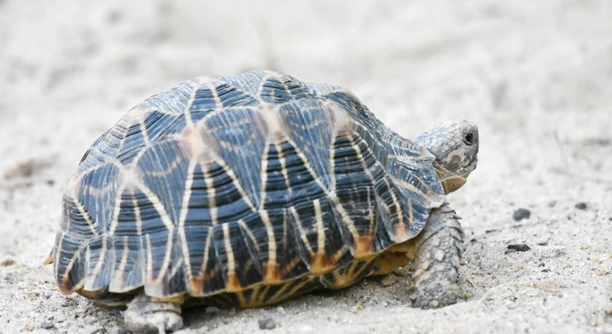
Keeping turtle water clean is essential for maintaining a healthy environment for your pets. A good filter can ensure clear, fresh water for them to swim in. This guide will help you choose the right filter for your tank.
The best tank filters for turtles are those that provide high filtration capacity, are easy to maintain, and effectively remove waste and debris. A good filter helps keep the water clean and prevents harmful bacteria from affecting your turtle’s health.
The right filter can make all the difference in creating a comfortable home for your turtle. Understanding key features and how they work will help you choose wisely.
Why Water Quality Matters for Turtles
Water quality is crucial for turtles. Poor water quality can lead to skin infections, eye problems, or even respiratory issues. Turtles are sensitive to pollutants, so keeping their environment clean helps maintain their overall health. A filter ensures their habitat is free of waste, chemicals, and harmful bacteria.
In addition to cleanliness, clean water helps prevent the growth of harmful algae and maintains proper oxygen levels. This allows your turtle to thrive in a more natural setting.
Choosing a good filter is not just about cleanliness. It’s about supporting the turtle’s health in the long run. A proper filter system will help keep harmful substances like ammonia and nitrites at safe levels, preventing long-term health problems for your turtle.
Types of Tank Filters
When choosing a filter, it’s important to consider the type. Filters come in various forms, including internal, external, and canister filters.
Internal filters are placed inside the tank and are compact. They are easy to set up and maintain. External filters are mounted outside the tank, offering higher filtration capacity. They are perfect for larger tanks and provide efficient filtration. Canister filters are also external but feature more advanced filtration systems and can handle larger volumes of water.
Each type has its pros and cons. Internal filters are simple but might not be powerful enough for bigger setups. External and canister filters offer stronger filtration but may require more maintenance. Choose the one that fits your tank size and needs.
Key Features to Look for in a Filter
When selecting a filter for your turtle tank, look for high filtration capacity, ease of cleaning, and quiet operation. A filter should be powerful enough to keep the water clean without disrupting the tank too much.
Filtration systems typically come with multiple stages: mechanical, biological, and chemical. Mechanical filtration removes debris and dirt, while biological filtration breaks down harmful substances like ammonia. Chemical filtration removes toxins and odors. A good filter should combine all three to ensure the healthiest environment for your turtle.
A filter with adjustable flow is also helpful. Turtles enjoy areas of calm water but still need proper filtration. Having a filter that allows you to control the flow helps balance both comfort and water quality. Consider the size of your tank to choose a filter with appropriate capacity.
Maintaining Your Turtle Tank Filter
Proper maintenance is essential for the longevity and effectiveness of your filter. Clean it regularly to prevent clogs and ensure maximum efficiency.
Most filters require cleaning every two to four weeks, depending on how heavily the tank is used. Remove debris from the filter, rinse it with tank water (never tap water, which can kill beneficial bacteria), and check for any wear and tear. If the filter becomes clogged, water flow will decrease, leading to poor water quality.
In addition to cleaning the filter, check the water parameters in the tank regularly. Ammonia and nitrite levels should be monitored. A filter will help maintain these levels, but you still need to be proactive to ensure your turtle’s home is as healthy as possible.
The Importance of Tank Size in Filter Selection
The size of your tank plays a huge role in choosing the right filter. Larger tanks need more powerful filters to maintain water quality.
If your tank is small, a less powerful filter might suffice. But, for larger tanks, you’ll need a filter with greater flow capacity to handle the increased water volume. A filter that’s too weak for your tank size will struggle to keep the water clean, leading to poor conditions for your turtle.
Make sure to match your filter’s capacity with the size of your tank. If in doubt, choose a filter with a higher capacity. It’s better to have a slightly stronger filter than one that’s too weak.
Filtration Speed and Flow Rate
Flow rate is important in maintaining the balance of your turtle’s tank environment. A filter with an adjustable flow rate gives you the flexibility to set it according to your turtle’s needs.
Turtles prefer calm areas to rest but still require enough water movement to oxygenate their habitat. Filters with adjustable flow can be set to create a peaceful environment while ensuring clean water. Make sure the flow is not too strong, as it can be stressful for your turtle.
By adjusting the flow rate, you can maintain an ideal balance that supports both water filtration and turtle comfort.
Filtering Capacity for Waste Removal
Filters that offer strong waste removal capabilities are essential for keeping water clear and clean. Choose a filter with high mechanical and biological filtration.
Waste from your turtle can quickly build up, affecting the water quality. A filter with a larger capacity can handle more debris, keeping the tank healthier. Make sure the filter is capable of removing organic waste effectively to prevent any build-up that could harm your turtle.
FAQ
What size filter do I need for my turtle tank?
The size of the filter depends on the size of your tank. As a general rule, the filter should be able to process at least 3-4 times the volume of your tank per hour. For example, if you have a 40-gallon tank, look for a filter with a flow rate of 120-160 gallons per hour (GPH). If your turtle tank is particularly large or heavily stocked, you may need a filter with an even higher flow rate.
How often should I clean my turtle tank filter?
Cleaning your filter every two to four weeks is usually sufficient, but it depends on the filter and how much waste is being produced. If you notice reduced water flow or debris buildup, it’s time to clean it. Always remember to rinse the filter with tank water, not tap water, as chlorine can harm beneficial bacteria.
Can I use an aquarium filter for my turtle tank?
You can use aquarium filters for a turtle tank, but you must ensure the filter has enough capacity to handle the waste turtles produce. Aquarium filters may not be designed for the high waste load typical in turtle tanks. Look for a filter specifically designed for turtles or one with high filtration capacity.
How do I know if my filter is working well enough?
You can tell if your filter is doing its job by monitoring the water quality. If the water stays clear and there is no buildup of algae or debris, the filter is likely working properly. You should also test the water regularly for ammonia, nitrite, and nitrate levels. High readings for any of these mean the filter may not be filtering effectively.
Is it safe to use a filter with strong water flow?
Strong water flow can be stressful for some turtles, especially if they prefer calmer areas for resting. It’s best to choose a filter with an adjustable flow rate. That way, you can reduce the flow in areas where your turtle likes to rest while still ensuring proper filtration.
Do I need a UV sterilizer for my turtle tank?
A UV sterilizer is not strictly necessary, but it can be helpful. UV sterilizers can kill harmful microorganisms and help keep the water clear, especially in tanks prone to algae blooms or bacterial issues. However, it’s not a replacement for a good filter, and it should be used as a supplementary tool.
How do I maintain the biological filter in my tank?
The biological filter is essential for breaking down harmful substances like ammonia and nitrites. To maintain it, avoid using harsh chemicals or cleaning agents in your tank, as they can kill beneficial bacteria. Also, make sure to regularly clean the filter media, but don’t replace it too often, as the bacteria need time to grow.
Can I add more than one filter to my turtle tank?
Yes, you can add more than one filter to your tank if needed. This is especially useful for larger tanks or if you want extra filtration for a cleaner environment. Just ensure that the filters are appropriately sized for your tank and that their combined flow doesn’t create too much current for your turtle.
What type of filter media is best for turtle tanks?
The best filter media for turtle tanks includes a combination of mechanical, biological, and chemical filters. Mechanical media (like sponge or floss) helps remove large debris, while biological media (like bio balls or ceramic rings) provide surface area for beneficial bacteria. Chemical media, like activated carbon, can help remove odors and toxins.
Can I use a sponge filter for my turtle tank?
Sponge filters can work in turtle tanks, especially for smaller setups or tanks with baby turtles. They provide gentle filtration, which is better for turtles that prefer calmer waters. However, they may not be strong enough for larger tanks or tanks with high waste levels. For larger tanks, consider a more powerful filter.
How can I prevent my filter from clogging quickly?
To reduce clogging, you can minimize the amount of debris in the tank by performing regular water changes and removing uneaten food. You can also add a pre-filter sponge to your filter’s intake to catch larger particles before they enter the filter. Additionally, regular maintenance and cleaning will ensure your filter runs smoothly.
Are chemical filters necessary for turtle tanks?
Chemical filters, like activated carbon, are not strictly necessary, but they can help improve water quality by removing impurities, odors, and toxins. If your turtle tank has a lot of algae or a strong odor, adding a chemical filter may help. However, biological and mechanical filters should still be the primary focus for maintaining clean water.
How do I prevent algae buildup in my turtle tank?
Algae thrive in tanks with excess nutrients and light. To prevent algae buildup, ensure you don’t overfeed your turtle, as leftover food adds nutrients to the water. Regularly clean your tank and reduce the amount of light it receives. You can also use a UV sterilizer or algae-eating creatures like snails to help keep algae under control.
Do I need a filter if I have a small tank?
Even if your tank is small, a filter is still necessary. Small tanks can get dirty quickly because they have less water volume to dilute waste. A filter will help keep the water clean, providing a healthy environment for your turtle. Make sure to choose a filter appropriate for the size of your tank.
What is the best type of filter for a turtle tank?
The best type of filter for a turtle tank depends on your tank’s size and the type of turtle you have. Canister filters are often considered the most effective for large tanks because they provide strong filtration. For smaller tanks, internal or hang-on-back filters may be sufficient. Consider factors like tank size, filtration capacity, and maintenance when choosing the right filter.
Final Thoughts
Choosing the right filter for your turtle tank is essential for maintaining clean water and ensuring your turtle’s health. Turtles produce a lot of waste, so having a filter with sufficient capacity is crucial. Make sure to select a filter that matches the size of your tank and provides the necessary filtration for mechanical, biological, and chemical needs. The goal is to keep the water clear, free of debris, and safe from harmful bacteria and toxins. This will create a healthier, more comfortable environment for your turtle to live in.
While filters are important, maintenance should never be overlooked. Cleaning your filter regularly and monitoring water quality are key to keeping your tank in top shape. Filters need to be cleaned every few weeks to prevent clogging and ensure the proper flow of water. Also, it’s helpful to test the water for ammonia, nitrites, and nitrates, as these levels can indicate whether the filter is working well. Even with the best filter, poor water quality can still lead to health problems for your turtle. Staying on top of maintenance and water tests will help prevent these issues.
Lastly, while a good filter is important, it’s just one part of a healthy tank setup. Proper lighting, water temperature, and the right habitat features all contribute to your turtle’s well-being. A filter can only do so much to keep the water clean, but it is an essential part of the overall care routine. By choosing the right filter, maintaining it properly, and considering the full needs of your turtle, you’ll ensure a long and happy life for your pet. Keeping your turtle’s environment clean and healthy doesn’t have to be complicated, but it does require some attention to detail.

Hello,
If you enjoy the content that we create, please consider saying a "Thank You!" by leaving a tip.
Every little bit helps us continue crafting quality advice that supports the health, happiness, and well-being of pets around the world, for pets of all shapes, sizes, and species.
We really appreciate the kindness and support that you show us!