
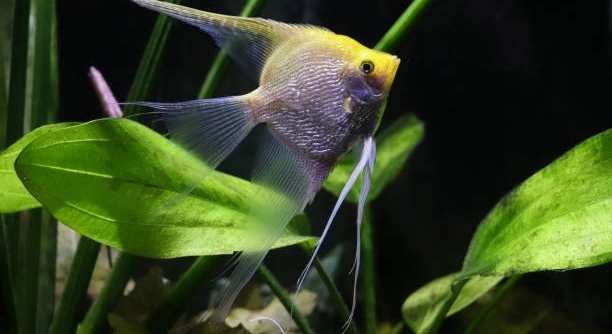
Creating the right environment for your angelfish is crucial for their well-being. Tank decorations not only add beauty but also provide comfort and safety. The right setup can ensure your fish thrive in their aquatic home.
To enhance the comfort of angelfish, consider adding decorations like live plants, caves, and driftwood. These elements promote natural behaviors and reduce stress, helping your fish feel more secure in their environment. Proper decoration fosters better overall health.
There are many options to make your angelfish tank inviting. From live plants to carefully placed rocks, each element can create a serene and stress-free habitat for your fish.
Live Plants for Natural Beauty and Comfort
Live plants are an excellent way to enhance your angelfish tank. Not only do they add a touch of nature, but they also help improve water quality by absorbing excess nutrients. Angelfish enjoy swimming among plants, as it mimics their natural habitat. Plants provide shelter and places to hide, which can make your fish feel more secure. Additionally, they can serve as breeding grounds for angelfish, allowing for natural reproduction if you have a breeding pair. Some popular options include Java fern, Amazon sword, and Anubias. They require moderate lighting, which is also beneficial for your angelfish’s health.
Adding live plants to your tank creates a balanced ecosystem that supports both aesthetic beauty and fish comfort. It’s important to choose plants that are easy to maintain, as this will help you avoid additional stress in your tank setup.
With proper care, plants can grow lush and help improve water conditions. They create a more natural environment where your angelfish can feel at ease, reducing any potential stress factors.
Driftwood: A Functional and Attractive Decoration
Driftwood is another perfect addition to an angelfish tank.
Driftwood offers both practical and visual benefits. It serves as a hiding spot for angelfish, which can help them feel secure and comfortable. It also promotes healthy water conditions by releasing tannins that naturally lower pH levels, which angelfish prefer.
Caves and Hiding Spots for Angelfish
Caves are ideal hiding spots for angelfish, offering a safe, secluded area to retreat. These places are especially important during periods of stress or when angelfish feel threatened. Small, natural-looking caves or ceramic ones work well.
Angelfish need a secure space to rest without feeling exposed. Adding caves to your tank can reduce aggression and encourage more natural behaviors. These areas mimic the fish’s wild environment, where they would hide in crevices. A well-placed cave also prevents fights between tank mates, especially in community tanks.
The key is to choose caves that provide enough room for the fish to turn around but not too large to make them feel vulnerable. This balance helps angelfish feel calm and less anxious.
Rocks and Gravel for Stability and Aesthetics
Rocks add a sense of structure and balance to your tank.
When placed carefully, rocks provide additional hiding spaces and can create a visually appealing layout. They also help anchor live plants and maintain water stability. Angelfish feel more comfortable when they have secure areas to explore.
Substrate Choices for Angelfish Tanks
The substrate you choose impacts both the look and the comfort of your angelfish. Soft substrates, like fine gravel or sand, are best for angelfish as they allow them to move freely without discomfort. They also make it easier for plants to root.
Choosing the right substrate ensures that your angelfish can thrive. Soft materials help prevent injury to their delicate fins while providing a natural environment for them to explore. Proper substrate also aids in maintaining water quality by promoting beneficial bacteria growth, which keeps the tank healthy.
Artificial Decorations for Style and Function
Artificial decorations can be both functional and decorative.
While live plants and natural elements are ideal, artificial decorations can still provide comfort and shelter. Resin caves, silk plants, and artificial driftwood mimic natural features. They’re easy to maintain and don’t require special care, making them a good option if you’re looking for convenience.
FAQ
What are the best tank decorations for angelfish?
The best tank decorations for angelfish include live plants, driftwood, caves, and rocks. These elements provide hiding spots, promote natural behaviors, and enhance water quality. Live plants like Java fern or Anubias are great for creating a lush environment. Driftwood offers both visual appeal and pH adjustment. Caves give angelfish a safe space to retreat when feeling stressed. Rocks can also add structure and anchor plants, while gravel or fine sand helps create a comfortable substrate.
How do I make my angelfish feel more comfortable in their tank?
Creating a comfortable environment for angelfish involves providing hiding spaces, appropriate water conditions, and tank mates that won’t stress them. Offering places like caves and plants where they can retreat when needed is key. Maintaining stable water conditions, including proper temperature, pH, and filtration, also ensures comfort. Avoid overcrowding the tank and ensure there’s enough swimming space for them. Providing a balanced and peaceful environment will help your angelfish thrive.
Can angelfish live with other fish?
Angelfish can live with other fish, but it’s important to choose compatible tank mates. They are peaceful but territorial, especially during breeding. Fish that are too aggressive or too small might not be suitable, as angelfish can become territorial. Good tank mates include larger peaceful species like tetras, gouramis, and plecos. Always monitor their interactions to ensure that everyone is getting along. Avoid aggressive or fin-nipping fish that may cause stress to your angelfish.
What size tank is best for angelfish?
Angelfish require a minimum of a 30-gallon tank, but a larger tank is preferred for optimal comfort. A tank of 55 gallons or more gives them plenty of space to swim and reduces the chance of territorial disputes. A larger tank also helps maintain water quality by allowing better filtration. If you plan to keep multiple angelfish or other fish species, a larger tank is necessary to ensure there’s enough room for everyone to coexist peacefully.
How do I maintain water quality for angelfish?
Maintaining water quality for angelfish involves regular water changes, proper filtration, and monitoring of key parameters like pH, ammonia, nitrite, and nitrate levels. A 25-30% water change every two weeks is recommended, but more frequent changes may be necessary if you have a heavily stocked tank. Using a good quality filter suited for your tank size ensures proper filtration. Test the water regularly to ensure it remains within the ideal range for angelfish, which includes a temperature of 76-82°F and a pH level of 6.5-7.5.
Do angelfish need a filter in their tank?
Yes, angelfish do need a filter. A filter helps maintain water quality by removing debris, toxins, and excess nutrients. Angelfish are sensitive to poor water conditions, so having a reliable filtration system is crucial for their health. Choose a filter that’s appropriate for the size of your tank, ensuring it provides proper circulation without creating too strong a current, as angelfish prefer calm waters.
How often should I feed my angelfish?
Angelfish should be fed once or twice a day. Offer a variety of high-quality foods, such as pellets, flakes, and occasional frozen or live foods like brine shrimp or bloodworms. Be sure not to overfeed, as uneaten food can quickly degrade water quality. A balanced diet will help keep your angelfish healthy and vibrant.
Can I add live plants to my angelfish tank?
Yes, adding live plants to an angelfish tank is highly beneficial. Live plants provide oxygen, improve water quality, and create a more natural environment. They also give your angelfish places to hide and explore, which can reduce stress. Some great options for angelfish tanks are Java fern, Anubias, and Amazon sword. Just ensure the plants are compatible with your tank’s lighting and water conditions.
What types of decorations should I avoid in an angelfish tank?
Avoid decorations with sharp edges or materials that could harm your angelfish. Some artificial decorations may have rough surfaces that can tear their delicate fins. Be cautious with items like plastic plants that have sharp edges. Instead, focus on smooth, natural-looking items that won’t pose a risk. Also, avoid overcrowding the tank with decorations, as angelfish need enough swimming space.
How can I prevent my angelfish from getting stressed?
To prevent stress in angelfish, provide a peaceful tank environment with appropriate tank mates. Ensure there are plenty of hiding spots, like caves or plants, and avoid sudden changes in water conditions. Keep the tank clean with regular water changes and stable temperatures. Reduce any potential sources of stress, such as aggressive tank mates or overcrowding. A calm and consistent environment helps angelfish feel more secure.
What is the ideal temperature for angelfish?
The ideal water temperature for angelfish is between 76-82°F. Maintaining a stable temperature within this range is crucial for their health. Temperatures that are too high or low can cause stress, weaken the immune system, and lead to disease. Use an aquarium heater and thermometer to monitor and control the tank temperature.
Are angelfish easy to care for?
Angelfish are relatively easy to care for, but they do have specific needs that must be met. They require a spacious tank, clean water, and compatible tank mates. Their water temperature, pH, and filtration must be carefully maintained. With proper care, angelfish are hardy and can live for many years. However, they are more sensitive than some other species, so attention to detail is important.
How long do angelfish live?
Angelfish typically live for 10-15 years when cared for properly. Their lifespan can be shorter or longer depending on their environment and care. Proper water quality, a balanced diet, and a stress-free tank will help your angelfish reach their full lifespan. Regular health checks and maintaining stable conditions contribute to their longevity.
Can I keep angelfish in a community tank?
Yes, angelfish can thrive in a community tank, but it’s important to choose compatible species. Angelfish are peaceful but territorial, especially during breeding. Avoid keeping them with aggressive fish or very small species that may be seen as prey. Good community tank mates include other peaceful fish like tetras, gouramis, and plecos. Always monitor the tank to ensure peaceful cohabitation.
Final Thoughts
Creating a comfortable and visually appealing environment for your angelfish is crucial for their health and well-being. Choosing the right decorations, such as soft substrates, live plants, and smooth decorations, allows your angelfish to feel safe and secure in their tank. It’s essential to avoid sharp objects that could harm their delicate fins and create a peaceful space where they can swim freely. Keeping the tank clean and maintaining good water quality are also key elements in ensuring your angelfish thrive in their environment.
While tank decorations are important, it’s equally vital to maintain stable water conditions. Angelfish are sensitive to water changes, so regular testing and adjustments are necessary. Proper filtration is a must to remove waste and toxins from the water. Keeping the water temperature in the ideal range of 76-82°F and monitoring pH levels will ensure that your angelfish stay healthy. Avoid overcrowding the tank, as angelfish need space to swim and grow. With a well-maintained tank, angelfish can live long and healthy lives.
Lastly, always pay attention to the behavior of your angelfish. If they seem stressed or exhibit unusual behavior, it could be a sign that something in the tank needs adjustment. Providing them with suitable tank mates and offering enough hiding spots can help reduce stress and prevent aggression. By creating a balanced, comfortable environment, your angelfish will be able to display their natural beauty and flourish in their home.

Hello,
If you enjoy the content that we create, please consider saying a "Thank You!" by leaving a tip.
Every little bit helps us continue crafting quality advice that supports the health, happiness, and well-being of pets around the world, for pets of all shapes, sizes, and species.
We really appreciate the kindness and support that you show us!