
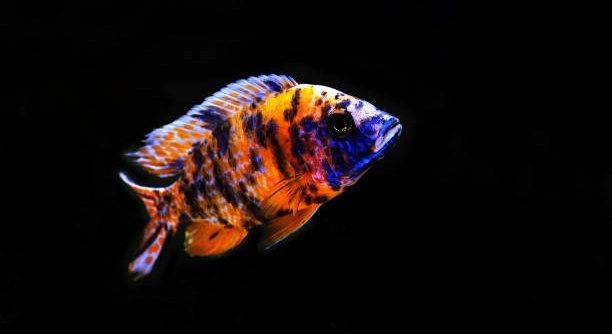
African cichlids are popular for their vibrant colors and lively behavior. Many aquarium enthusiasts seek the best companions to keep alongside these fish. Choosing the right tank mates helps maintain harmony and a healthy environment for all.
The best tank companions for African cichlids are species that can tolerate similar water conditions and temperament. Suitable companions include other robust cichlids, catfish, and certain plecos, as these species coexist well without excessive aggression.
Selecting the right companions ensures your aquarium stays balanced and enjoyable. Understanding these options can improve both the health of your fish and the overall tank experience.
Understanding African Cichlids’ Behavior
African cichlids are known for their territorial nature and vibrant personalities. They thrive in environments that mimic their natural habitat, with plenty of rocks and hiding spots. These fish can be aggressive, especially during breeding periods, so tank companions must be chosen carefully. Compatibility depends on matching their temperament and size to avoid stress or injury. African cichlids prefer stable water conditions with a slightly alkaline pH and warm temperatures. Proper tank setup helps reduce conflict and supports healthy behavior. Observing their interactions regularly is important to spot any signs of stress early. Selecting companions that share similar environmental needs is key to a peaceful tank. Fish that are too passive or too aggressive may cause problems. It’s also vital to avoid overcrowding, as this can increase aggression among cichlids and their companions.
Proper knowledge of their behavior leads to a more balanced and healthy tank community.
Keeping African cichlids with compatible species reduces stress and aggression, resulting in a stable environment for all fish.
Choosing companions that match the cichlids’ temperament and environmental needs improves tank harmony and fish well-being.
Best Tank Companions for African Cichlids
Choosing companions for African cichlids requires careful consideration of their size, temperament, and water preferences.
Suitable companions include larger catfish species such as Synodontis, which are hardy and can handle similar water conditions. Plecos are also a good choice due to their armored bodies and algae-eating habits, which help keep the tank clean. Other robust cichlids like Julidochromis and some haplochromis species can coexist if the tank is large enough and territories are well established. Avoid smaller, slow-moving fish that may become targets for aggression. In a properly arranged tank with ample hiding spaces, these companions help create a diverse and active community. It is important to monitor their interactions and adjust tank conditions as necessary. Proper diet, tank size, and maintenance also play significant roles in maintaining compatibility.
Compatibility is not guaranteed but can be achieved with careful planning and observation.
Popular Catfish Species as Tank Companions
Catfish like Synodontis are sturdy and tolerate the same water conditions as African cichlids. Their armored bodies protect them from aggression, making them ideal tank mates.
Synodontis catfish are bottom dwellers, helping keep the tank clean by scavenging leftover food. They are active mostly at night, which reduces direct competition with cichlids. Their peaceful nature balances well with the more aggressive cichlids. However, it is important to provide plenty of hiding places for catfish to retreat when stressed. Synodontis can grow moderately large, so tank size should be considered. Feeding them a varied diet, including sinking pellets and occasional protein treats, supports their health alongside the cichlids.
Another suitable catfish is the Bristlenose Pleco, known for its algae-eating habits. It is less aggressive and smaller than other plecos, which reduces territorial disputes. Plecos help maintain tank cleanliness and usually stay out of the way of cichlids. These catfish prefer hiding spots like caves or driftwood. Plecos require a diet with algae wafers and vegetables to stay healthy. Providing adequate space ensures that plecos and cichlids can coexist comfortably, reducing stress for both species.
Tips for Introducing New Tank Companions
Introducing new fish requires careful planning to avoid conflicts. Quarantine new companions to prevent diseases and monitor behavior.
Slowly acclimate new fish to water conditions by gradually mixing tank water into their transport water. Rearrange tank decorations before introducing new fish to disrupt existing territories, which can reduce aggression. Add the new companions during feeding times to distract cichlids and reduce hostility. Observe all fish closely during the first few days for signs of stress or bullying. If aggression is excessive, be ready to separate fish temporarily or permanently. Maintaining stable water quality and feeding schedules also helps reduce stress when new fish join the tank. Regular observation and prompt action are key to successful introductions.
Maintaining Water Quality
Stable water quality is crucial for African cichlids and their companions. Regular water changes help keep ammonia and nitrate levels low, preventing stress and disease.
Using a reliable filtration system ensures proper water circulation and removal of waste. Testing water parameters weekly helps detect imbalances early.
Feeding Strategies for Mixed Tanks
Feeding cichlids and their tank companions requires balancing different dietary needs. Provide sinking pellets for bottom dwellers like catfish and plecos. Supplement with flakes or pellets designed for cichlids.
Separate feeding zones or times can reduce competition and ensure all fish get proper nutrition. Avoid overfeeding, which can degrade water quality quickly.
Tank Size Considerations
A larger tank reduces aggression by providing space for territories. A minimum of 55 gallons is recommended when keeping African cichlids with companions.
Choosing the Right Decorations
Rocks and caves help break line of sight and offer hiding spots, reducing aggression in the tank.
FAQ
What are the best fish to keep with African cichlids?
The best companions are species that can handle similar water conditions and tolerate the cichlids’ sometimes aggressive behavior. Larger catfish like Synodontis, Bristlenose Plecos, and certain robust cichlids such as Julidochromis work well. These fish can coexist without causing excessive stress or territorial disputes if the tank is properly set up.
Can small or peaceful fish live with African cichlids?
Generally, small and peaceful fish are not good tank mates for African cichlids. The cichlids’ territorial nature often leads to aggression toward smaller, slower fish. These smaller fish may become targets and suffer injuries or stress. It is safer to stick to similarly sized or more robust species.
How do I introduce new companions to an established African cichlid tank?
Introduce new fish slowly by acclimating them to the tank’s water parameters. Rearrange the tank decorations beforehand to break existing territories. Add the new companions during feeding times to reduce hostility. Watch for signs of aggression and be prepared to separate fish if necessary.
How important is tank size when mixing African cichlids with other species?
Tank size is very important. A larger tank provides more space to establish territories, which helps reduce aggression. A minimum of 55 gallons is recommended when keeping African cichlids with other fish. Bigger tanks also support better water quality and stable conditions.
What water parameters suit African cichlids and their companions?
African cichlids prefer a slightly alkaline pH between 7.8 and 8.6, and temperatures around 75 to 82°F (24 to 28°C). Companions should be chosen based on their ability to thrive in these conditions. Maintaining stable parameters reduces stress and keeps fish healthy.
How often should I clean the tank when keeping African cichlids with companions?
Regular maintenance is essential. Perform partial water changes of 20-30% weekly to keep nitrate and ammonia levels low. Clean the substrate and remove leftover food to prevent water pollution. Good filtration also helps maintain a healthy environment.
What should I feed African cichlids and their tank companions?
African cichlids benefit from a diet of high-quality pellets or flakes formulated for their species. Bottom dwellers like catfish and plecos need sinking pellets or algae wafers. Supplement with occasional live or frozen foods. Avoid overfeeding, as uneaten food can harm water quality.
Can African cichlids coexist with other types of cichlids?
Some cichlids can coexist if they have similar size and temperament. Species like Julidochromis and certain haplochromis can share a tank with African cichlids if there is enough space and hiding spots. Always monitor interactions to avoid aggressive behavior.
What decorations help reduce aggression in a mixed tank?
Rocks, caves, and plants create hiding spots and break lines of sight, which reduce stress and territorial fights. Proper decoration allows fish to claim territories and retreat when needed, helping to maintain peace in the tank.
How do I recognize signs of stress or aggression among tank mates?
Signs include chasing, fin nipping, hiding, loss of appetite, or discoloration. Frequent attacks or damage to fins are clear signs of aggression. If these behaviors persist, consider separating the fish or adjusting tank conditions. Regular observation is key to early intervention.
Choosing the right tank companions for African cichlids requires careful thought and attention to their unique needs. These fish are known for their bright colors and active behavior, but they can also be quite territorial and aggressive. Finding companions that can live peacefully alongside them depends on matching water conditions, temperament, and size. Tank mates like certain catfish and robust cichlids are often the best fit because they tolerate similar environments and are less likely to provoke conflicts. Creating a balanced tank helps reduce stress for all fish, which supports their health and longevity.
Proper tank setup is essential when mixing African cichlids with other species. Providing plenty of hiding spots with rocks, caves, and decorations helps fish establish territories and retreat when needed. This arrangement reduces aggression and promotes a more peaceful environment. Tank size also matters; larger tanks give each fish space to claim territory and avoid unnecessary fights. Regular maintenance, including water changes and filtration, keeps the environment stable and safe for all inhabitants. Feeding routines should also consider the different diets of cichlids and their companions to ensure everyone receives proper nutrition without overcrowding during feeding times.
Monitoring fish behavior is an ongoing task for anyone keeping African cichlids with other species. Signs of stress or aggression should never be ignored, as they can quickly lead to injury or illness. If conflicts arise, adjusting tank layout, separating aggressive fish, or reconsidering tank mates may be necessary. By understanding the needs and behaviors of each species, you can create a vibrant and healthy aquarium community. Taking these steps helps ensure your African cichlids and their companions live together successfully and thrive in a shared space.

Hello,
If you enjoy the content that we create, please consider saying a "Thank You!" by leaving a tip.
Every little bit helps us continue crafting quality advice that supports the health, happiness, and well-being of pets around the world, for pets of all shapes, sizes, and species.
We really appreciate the kindness and support that you show us!