
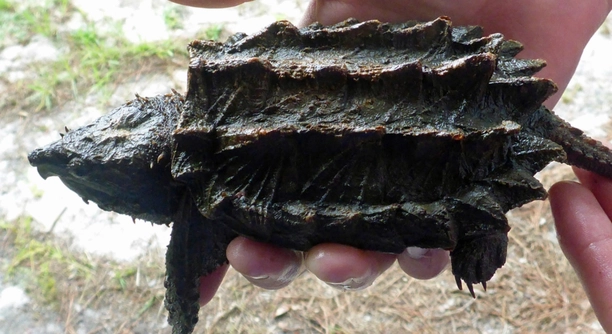
Cleaning an alligator snapping turtle’s tank requires special care to maintain a healthy environment. Their size and diet contribute to a higher amount of waste, making tank cleaning essential for their well-being.
Regular maintenance and specific cleaning methods can improve water quality and reduce harmful bacteria. It is essential to use the right tools, avoid harmful chemicals, and keep the habitat clean to ensure the turtle’s health and comfort.
Implementing these simple yet effective hacks will keep your snapping turtle’s tank in optimal condition.
Clean the Tank Regularly
Keeping the alligator snapping turtle’s tank clean is key to preventing harmful bacteria from building up. Perform water changes at least once a week to maintain clean, healthy water. Clean the tank decorations and substrate regularly to remove waste that could cause unhealthy water conditions.
A clean tank supports a healthier environment for your turtle and reduces the need for more intensive cleaning later. Remove excess food and debris immediately to avoid water contamination.
You can use a siphon or gravel vacuum to clean the substrate without disturbing the turtle. When scrubbing decorations, use a soft brush to remove algae or dirt. Avoid harsh cleaning products that could leave residues harmful to your turtle.
Filter and Water Quality
Keep the water quality high by using a powerful filter that can handle the turtle’s waste. The filter should be capable of circulating the water thoroughly.
Filters help maintain clear water by removing floating particles and waste. This reduces the need for frequent water changes, saving time and effort while keeping the water clean for your turtle. Regularly clean the filter to maintain its efficiency.
A filter alone isn’t enough. Test water parameters like pH, ammonia, nitrites, and nitrates regularly. Keeping track of these levels ensures your snapping turtle’s environment stays balanced and healthy. If needed, use water conditioners or treatments to improve water quality further.
Remove Excess Food
After feeding your alligator snapping turtle, be sure to remove any uneaten food within a few hours. Leftover food can quickly spoil, increasing the risk of water contamination. This simple step reduces the buildup of harmful bacteria and keeps the tank clean.
Regularly check the water for signs of excess food, such as floating particles or cloudy water. Feeding in a specific area and removing uneaten food immediately helps maintain cleanliness and prevents water quality issues. Adjust feeding amounts based on your turtle’s appetite and avoid overfeeding.
Some foods, like live prey, may leave waste behind. Use a small net or siphon to remove any leftover food pieces, which can break down and pollute the water. These small efforts help maintain a healthy environment.
Clean Decorations and Substrate
Tank decorations and substrate should be cleaned regularly to prevent dirt buildup. Use a soft brush to scrub rocks, logs, and any other ornaments your snapping turtle uses for hiding or climbing.
It’s important to clean decorations every few weeks. Scrub gently to avoid damaging them, and rinse well before placing them back in the tank. This helps reduce algae growth and removes waste buildup. For the substrate, use a siphon to clean the bottom of the tank and remove waste or debris.
Some decorations, like plants, may need more frequent cleaning if they trap excess food. If algae growth is an issue, consider adding a clean-up crew, such as snails, to help manage the algae while keeping the tank pristine.
Use an Aquarium Vacuum
An aquarium vacuum makes cleaning the substrate easy. It helps you remove waste, uneaten food, and other debris from the bottom of the tank without disturbing the turtle too much. This tool is essential for keeping the tank clean between water changes.
Use the vacuum on a regular basis to remove dirt and waste particles that settle on the substrate. This helps prevent water quality issues and keeps the tank looking clean. Make sure to clean the vacuum after each use to avoid bacteria buildup.
The vacuum’s siphon function works well for removing smaller particles from the substrate while keeping water levels steady. Just move it slowly along the bottom, and let it do the work.
Manage Algae Growth
Algae can grow quickly in an alligator snapping turtle’s tank, especially in areas with excess light or nutrients. It’s important to keep algae growth in check to maintain clean water and a healthy environment.
Limit algae by avoiding excessive lighting, especially direct sunlight, which can encourage growth. Regularly clean any surfaces that collect algae, such as tank walls and decorations. If algae becomes a persistent problem, you can add algae-eating snails to the tank.
If algae growth is still excessive, consider reducing the turtle’s food intake. Overfeeding can lead to higher nutrient levels in the water, which promotes algae growth. Keep a balance to manage both the turtle’s diet and algae levels.
Maintain the Heater
A consistent water temperature is crucial for your snapping turtle’s health. Make sure the heater is working efficiently and maintain a stable temperature of 72 to 78°F (22-25°C).
Check the heater regularly to ensure it’s functioning properly. If the heater is malfunctioning, it can affect both the turtle’s comfort and water quality. The heater should be placed near the filter for better circulation of warm water.
FAQ
How often should I clean my alligator snapping turtle’s tank?
It’s important to clean your turtle’s tank regularly. Perform partial water changes once a week to maintain clean water. You should also remove any uneaten food and waste daily. Decorations and substrate need cleaning every two to three weeks, depending on the level of dirt and algae buildup.
What type of filter is best for an alligator snapping turtle tank?
A strong, reliable filter is essential for keeping the water clean. Look for a filter with a high flow rate that can handle the waste produced by your turtle. Canister filters or internal filters designed for larger tanks are ideal. These filters help maintain water clarity and reduce the need for frequent water changes.
Can I use regular household cleaners to clean the tank?
No, regular household cleaners should never be used in your turtle’s tank. These products often contain chemicals that are harmful to aquatic life. Instead, clean the tank with warm water and a soft brush. If needed, use a mild vinegar solution to clean decorations. Always rinse thoroughly before placing them back in the tank.
How do I prevent algae from growing in the tank?
To prevent algae growth, limit the amount of light your turtle tank receives. Avoid placing the tank in direct sunlight, and use a timer to regulate the lighting. Additionally, regular cleaning of tank surfaces and decorations can help reduce algae buildup. If needed, introduce algae-eating snails to help manage the growth.
What should I do if the water gets cloudy?
Cloudy water can be a sign of poor water quality or excess waste. First, check the filtration system and make sure it’s working efficiently. Perform a partial water change and remove any visible waste or leftover food. It’s also important to monitor the water parameters, such as ammonia and nitrate levels. Regular cleaning and proper filtration will help prevent this issue.
How can I maintain the right water temperature for my turtle?
Alligator snapping turtles need a stable water temperature between 72 and 78°F (22-25°C). A reliable aquarium heater is essential. Ensure the heater is placed in an area with good water circulation, like near the filter, to maintain an even temperature. Check the water temperature regularly with a thermometer and adjust as needed.
How do I know if my snapping turtle is healthy?
A healthy snapping turtle will have clear eyes, a firm shell, and will be active. If your turtle is sluggish, not eating, or showing signs of illness, such as cloudy eyes or a soft shell, it could indicate a health problem. Ensure the water quality is good, and your turtle’s diet is balanced. Regular vet checkups are also recommended for maintaining health.
Can I keep multiple snapping turtles together?
It’s not recommended to keep multiple alligator snapping turtles in the same tank unless it’s large enough to accommodate them comfortably. These turtles can be territorial and may fight. If you want more than one, ensure each has its own space, hiding spots, and access to food to reduce the likelihood of aggression.
How often should I feed my snapping turtle?
Feed your alligator snapping turtle two to three times a week, depending on its age and size. Younger turtles may need to be fed more frequently, while adult turtles can be fed less often. Always remove any uneaten food after a few hours to prevent water contamination. A varied diet, including protein-rich foods like fish and shrimp, is best.
Can I use live plants in the turtle’s tank?
Live plants can be a great addition to your turtle’s tank, as they provide hiding spots and help improve water quality. However, snapping turtles are known to uproot or eat plants, so choose hardy plants that can withstand some nibbling. Plants also need to be properly cleaned and maintained to prevent algae growth.
What size tank does my snapping turtle need?
The size of the tank depends on the size of the turtle. As a general rule, provide at least 75 gallons of water for an adult alligator snapping turtle. For smaller or juvenile turtles, a smaller tank can work, but it should still allow for plenty of swimming space.
What should I do if my turtle is not eating?
If your snapping turtle isn’t eating, check the water quality first. Poor water conditions can affect their appetite. Ensure the water is clean, and the temperature is within the appropriate range. You can also try offering different types of food or live prey to stimulate their interest. If the problem persists, consult a veterinarian.
Is it necessary to use a UVB light for my snapping turtle?
Yes, UVB lighting is essential for the health of your snapping turtle. UVB light helps them synthesize vitamin D3, which is important for calcium absorption and shell health. Ensure your turtle has access to a UVB light source during the day, and replace the bulb every 6-12 months, as UVB strength decreases over time.
How do I prevent my turtle’s tank from smelling?
To prevent unpleasant odors, clean the tank regularly and remove uneaten food daily. The filter should be checked to ensure it’s working properly, and the water should be changed regularly. Keeping the tank clean, along with maintaining good water quality, will significantly reduce odors.
Can I use tap water for my turtle’s tank?
You can use tap water, but it’s important to treat it first. Tap water often contains chlorine or chloramine, which can be harmful to your turtle. Use a water conditioner to remove these chemicals before adding it to the tank. Always monitor the water quality to ensure it remains safe for your turtle.
Final Thoughts
Maintaining a clean and healthy environment for your alligator snapping turtle is essential to its well-being. Regular tank maintenance, proper filtration, and consistent water changes are key elements in ensuring a healthy habitat. By staying on top of these tasks, you will help prevent health issues related to poor water quality and tank conditions. Remember that turtles are sensitive to their environment, and even small changes in their habitat can affect their behavior and health.
In addition to water quality, feeding your turtle a varied diet that meets its nutritional needs is crucial. Alligator snapping turtles require a mix of proteins and plant-based foods to thrive. Offering a variety of food options, such as fish, shrimp, and occasional vegetables, ensures they get the proper nutrients. Make sure to remove any leftover food to prevent it from decaying and contaminating the water. Regularly monitoring their eating habits and adjusting their diet accordingly will also help maintain their health.
Lastly, don’t forget the importance of observing your turtle regularly. Regular checkups on their physical condition, behavior, and the tank environment can help catch any potential problems early. It’s important to understand their needs and make changes as necessary. With proper care, your alligator snapping turtle can live a long, healthy life, providing you with enjoyment for years to come. Always make sure to adjust your care routine based on their growth and evolving needs to create the best possible environment for them.

Hello,
If you enjoy the content that we create, please consider saying a "Thank You!" by leaving a tip.
Every little bit helps us continue crafting quality advice that supports the health, happiness, and well-being of pets around the world, for pets of all shapes, sizes, and species.
We really appreciate the kindness and support that you show us!