
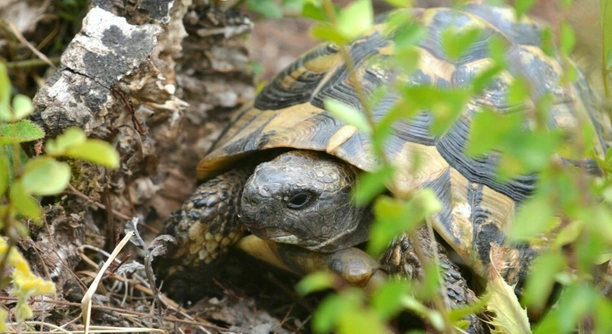
Hermann’s tortoises are charming and easygoing creatures that make wonderful pets. To keep them healthy, providing the right environment is crucial, especially when it comes to their habitat’s substrate. The right substrate plays a key role in their overall well-being.
Choosing the best substrate for your Hermann’s tortoise is vital for their health. A suitable substrate promotes natural behaviors, helps maintain proper humidity levels, and ensures comfort for the tortoise. Options like organic soil, sand, and coconut fiber are popular choices.
Selecting the right substrate for your tortoise will help you provide them with a safe and comfortable environment. Keep reading to discover which substrates work best for keeping your Hermann’s tortoise healthy and happy.
1. Organic Soil: A Natural Choice for Comfort
Organic soil is one of the most common substrates for Hermann’s tortoises. It mimics their natural environment and provides a soft, comfortable surface for them to walk on. It also helps maintain humidity levels, which is essential for their health. This substrate is easy to find and affordable, making it a popular choice among tortoise owners. Organic soil can also be enriched with safe, non-toxic plants, providing your tortoise with extra foraging opportunities. When choosing organic soil, ensure that it is free from pesticides or chemicals, as these can harm your tortoise.
Organic soil does require regular cleaning to avoid buildup of waste and mold. Spot cleaning daily and changing the soil every few months will keep your tortoise’s habitat hygienic. It’s essential to monitor the humidity level of the enclosure, as soil can retain moisture, leading to an overly wet environment.
In addition, organic soil promotes natural behaviors like burrowing, which tortoises enjoy. The soft texture also prevents injuries that harder surfaces might cause. With proper maintenance, organic soil can provide a healthy, comfortable habitat for your Hermann’s tortoise, contributing to their overall well-being.
2. Coconut Fiber: A Lightweight, Safe Option
Coconut fiber is another great choice for your tortoise. It’s lightweight and retains moisture well.
Coconut fiber is a popular substrate due to its natural properties. It’s biodegradable, making it an eco-friendly option. The material is soft, allowing tortoises to walk comfortably without any discomfort. It also helps regulate humidity in the enclosure. While it doesn’t retain moisture as long as organic soil, it’s easier to handle and won’t get as messy. Coconut fiber is highly absorbent, which helps control odors and keeps the enclosure clean. This substrate is also safe to eat in small amounts, unlike some other types of bedding.
However, coconut fiber may need to be replaced regularly as it can break down over time. It’s also important to make sure it doesn’t get too wet, as it can mold. Keep an eye on humidity levels and clean it regularly to ensure your tortoise has a safe and healthy space to thrive.
3. Sand: A Traditional Option
Sand is another popular substrate for Hermann’s tortoises. It’s often used in combination with other substrates to create a natural desert-like environment.
When used correctly, sand can provide a comfortable surface for tortoises to walk on. It’s also good for digging and burrowing, which are natural behaviors. However, it’s important to use the right type of sand. Avoid using play sand, as it can contain harmful additives. Opt for natural, pesticide-free sand. Sand should also be kept dry to avoid the risk of impaction if ingested.
It’s essential to mix sand with another substrate like coconut fiber to maintain a balanced humidity level and prevent it from becoming too dry or dusty. This will help maintain a comfortable, safe environment for your tortoise. If kept clean and dry, sand can last for several months before needing a change. Just be sure to regularly monitor for any health issues, such as respiratory problems from dust.
4. Reptile Carpet: A Low-Maintenance Choice
Reptile carpet is easy to clean and provides a safe, soft surface for Hermann’s tortoises.
This substrate is made from non-toxic materials and is safe for tortoises. It’s a good choice for owners who want a low-maintenance option that doesn’t require frequent changes. Reptile carpet is also reusable, which makes it cost-effective in the long run. However, it doesn’t provide the same natural feel that organic soil or sand does. Tortoises can’t dig or burrow in reptile carpet, which can be a downside for those who want to mimic natural conditions as closely as possible.
Despite this, reptile carpet is an easy-to-maintain option for those who prefer convenience. Just be sure to clean it regularly to avoid waste buildup. It can also be used in combination with other substrates to give your tortoise a balanced environment. Keep the carpet dry and monitor your tortoise’s behavior to ensure they remain comfortable in their habitat.
5. Topsoil: A Budget-Friendly Option
Topsoil is a cost-effective choice that works well for Hermann’s tortoises. It’s easy to find and can be used as a base for creating a more natural habitat.
Topsoil provides a good surface for tortoises to walk on. It can retain moisture, helping to maintain humidity levels. When mixed with other substrates like sand or coconut fiber, it creates a more balanced environment. While topsoil may not be the best option on its own, it’s a great base layer that’s affordable and easy to maintain. Just be sure to choose a pesticide-free variety.
6. Grass Turf: A Natural Feel
Grass turf is a great way to mimic a tortoise’s natural environment. It gives them a soft and natural surface to roam.
Grass turf provides an excellent surface for your tortoise to walk on, offering a real “outdoor” feel. It’s safe for tortoises and gives them the opportunity to graze on the grass, though it’s not enough to make up a full diet. The turf can be cleaned easily, but it may need replacement over time. Be sure to keep it dry and avoid over-watering, as excess moisture can cause mold. Grass turf is best when combined with other substrates for a more varied environment.
FAQ
What type of substrate is best for a Hermann’s tortoise?
The best substrate for a Hermann’s tortoise depends on your preferences and what’s available, but organic soil and coconut fiber are two of the top choices. Organic soil provides a natural feel and is easy to maintain. Coconut fiber is absorbent, lightweight, and great for humidity control. Both offer a comfortable, safe surface for your tortoise to walk on. You can also mix them with sand or use them alongside other substrates like reptile carpet for more variety and comfort.
Can I use regular garden soil for my tortoise?
It’s best to avoid using regular garden soil because it may contain pesticides, chemicals, or parasites that could harm your tortoise. If you want to use soil, make sure it’s organic and free of additives. Organic topsoil, for instance, is often used safely, as long as it’s pesticide-free. Always check the product label before using it in your tortoise’s habitat.
How often should I change the substrate?
It depends on the type of substrate you’re using. Organic soil and coconut fiber typically need to be changed every few months, but they should be spot cleaned regularly to remove waste. Sand should be replaced more frequently, about once every 1-2 months, to maintain a clean environment. Reptile carpet can last longer but should be cleaned thoroughly at least once a week. Always monitor for mold or odor to know when it’s time to replace or clean the substrate.
Is sand safe for my Hermann’s tortoise?
Sand can be safe for Hermann’s tortoises if used properly, but it must be the right kind. Avoid using play sand, which often contains additives. Instead, use natural, untreated sand. Mixing sand with other substrates, such as coconut fiber, helps prevent it from becoming too dry or dusty. Ensure the sand is kept dry and that your tortoise doesn’t ingest large amounts to avoid impaction.
What are the dangers of using the wrong substrate?
Using the wrong substrate can lead to several health problems for your tortoise. Some substrates, like those containing chemicals, can harm their respiratory system or cause digestive issues if ingested. Overly wet environments can lead to fungal or bacterial growth, which may cause infections or respiratory issues. On the other hand, overly dry conditions can cause dehydration or skin shedding problems. It’s important to choose a safe, comfortable, and manageable substrate to keep your tortoise healthy.
Can I use sand as the only substrate for my Hermann’s tortoise?
While sand is a good option for creating a more natural environment, it shouldn’t be used as the only substrate. Sand alone can be too dry and doesn’t retain moisture well, which can lead to dehydration. It’s best to mix sand with another substrate, like organic soil or coconut fiber, to help maintain the proper humidity level and provide a comfortable environment.
Should I add plants to the substrate?
Yes, adding plants to your tortoise’s habitat is a great idea! They can provide enrichment, hiding spots, and natural foraging opportunities. Make sure any plants you add are non-toxic to tortoises. Common safe plants include dandelions, clover, and grasses. Keep in mind that your tortoise might nibble on them, so ensure the plants are safe and replace them if they become eaten or damaged.
How do I clean the substrate?
Cleaning the substrate is essential for maintaining a healthy environment. For organic soil and coconut fiber, spot clean daily by removing waste, uneaten food, and soiled bedding. For reptile carpet, remove it from the enclosure and clean it with warm water and mild soap. For sand, use a sift to remove waste and clean it regularly to prevent bacteria from building up. Always ensure that the substrate is dry before placing your tortoise back into the enclosure.
Can I mix substrates?
Yes, mixing substrates can be a good option for creating a varied and comfortable environment. You can mix sand with organic soil, coconut fiber with topsoil, or even combine reptile carpet with loose bedding. Just make sure that each component is safe for your tortoise. Mixing allows you to balance moisture retention, comfort, and ease of maintenance. Always monitor the humidity level and adjust if needed.
What about humidity and temperature with different substrates?
Different substrates can affect the humidity and temperature in the enclosure. Organic soil and coconut fiber are excellent for maintaining humidity, while sand can dry out the environment quickly. Keep in mind that a balance is essential—too much humidity can lead to mold, while too little can cause dehydration. Use a hygrometer to monitor humidity levels and make adjustments as needed, such as adding a humidifier or misting the enclosure.
Are there any substrates I should avoid?
Avoid substrates that can harm your tortoise, such as pine or cedar shavings. These types of wood can release harmful oils that irritate your tortoise’s respiratory system. Also, avoid using any substrates with added chemicals or pesticides. Clumping cat litter and certain artificial materials can be harmful as well, as they may cause impaction if ingested or are difficult to clean properly. Always choose natural, safe options.
Final Thoughts
Choosing the right substrate for your Hermann’s tortoise is essential for their health and well-being. A good substrate can help mimic their natural environment, encourage natural behaviors, and maintain proper humidity and temperature levels in their habitat. Substrates like organic soil and coconut fiber are often preferred because they are natural, absorbent, and comfortable for tortoises to walk on. These options are also easy to maintain and provide a good balance of moisture and dryness. Additionally, they can help prevent issues such as dehydration or respiratory problems when managed properly.
While substrates like sand, reptile carpet, and topsoil can also be used, they should be chosen carefully based on your tortoise’s specific needs. Sand is a good option if mixed with other substrates, but it should not be used alone due to its dryness. Reptile carpet is easy to clean and low maintenance but doesn’t allow for behaviors like digging or burrowing. Topsoil is a more affordable option but should always be organic and free from pesticides. It’s important to understand the pros and cons of each substrate to ensure you choose the one that best suits your tortoise’s health and lifestyle.
Finally, remember that maintaining a clean and safe environment is just as important as selecting the right substrate. Regular cleaning and monitoring of humidity and temperature levels will help keep your tortoise happy and healthy. Always watch for any signs of health issues and be prepared to make adjustments to their habitat if needed. By choosing the right substrate and providing proper care, you can create a comfortable and enriching environment for your Hermann’s tortoise to thrive in.

Hello,
If you enjoy the content that we create, please consider saying a "Thank You!" by leaving a tip.
Every little bit helps us continue crafting quality advice that supports the health, happiness, and well-being of pets around the world, for pets of all shapes, sizes, and species.
We really appreciate the kindness and support that you show us!