
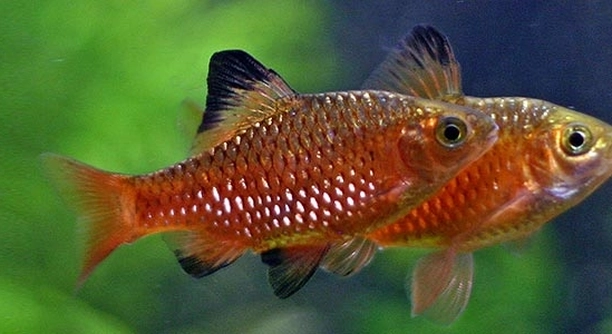
Rosy Barbs are lively fish that need a comfortable and healthy environment in their tanks. Choosing the right substrate plays a key role in keeping these fish happy and thriving. Many tank owners pay special attention to this important detail.
The best substrates for Rosy Barb tanks include fine gravel, sand, and nutrient-rich planted substrates. These options support plant growth, maintain water quality, and provide a safe surface for the fish to swim and forage on. Each substrate has benefits suited to different tank setups.
Knowing which substrates work well can improve your tank’s look and your fish’s wellbeing. This article explains the top choices to help you create a better home for your Rosy Barbs.
Fine Gravel Substrate
Fine gravel is a popular choice for Rosy Barb tanks because it offers good water circulation and is easy to clean. The small-sized particles allow debris to fall through, preventing waste buildup on the surface. This helps maintain better water quality, which is essential for the health of your fish. Fine gravel also provides a natural look that complements the colors of Rosy Barbs well. It is suitable for tanks with live plants because roots can anchor easily in the substrate. Gravel also creates a comfortable environment for bottom-dwelling creatures that may share the tank. Overall, fine gravel balances aesthetics with functionality and care needs.
Fine gravel is widely available and comes in many colors, giving you flexibility to match your tank’s design. It’s also cost-effective and durable.
Using fine gravel helps create a stable base for your plants and decorations, encouraging a healthy and balanced tank environment for your Rosy Barbs to thrive.
Sand Substrate
Sand offers a smooth and natural surface that many Rosy Barb keepers prefer. Its fine texture mimics riverbeds where these fish often live in the wild. Sand allows the fish to forage and dig comfortably, promoting natural behavior. It also makes it easier to spot waste and leftover food, helping with tank maintenance. Sand doesn’t trap debris as much as gravel, but it requires regular stirring to prevent compacting. It works well with plants that have fine roots but may not support larger root systems. Sand creates a calm and soft environment, which some Rosy Barbs may enjoy more.
Although sand requires more attention during cleaning, it adds a unique look and feel to the tank that many find appealing. It suits tanks aiming for a more natural, river-like setting.
In tanks with sand, regular water flow and gentle stirring keep the substrate healthy. This prevents anaerobic spots where harmful gases could build up. You can combine sand with planted substrates or gravel layers to optimize plant support and water quality. When properly cared for, sand substrates enhance the comfort and behavior of Rosy Barbs, making them feel more at home.
Nutrient-Rich Planted Substrate
Nutrient-rich planted substrates provide essential minerals for aquatic plants to grow strong. They support root development and improve overall tank health. These substrates are ideal for planted Rosy Barb tanks that need a natural, balanced environment.
These substrates contain minerals like iron and potassium that feed plant roots directly. This encourages lush growth and helps plants outcompete algae for nutrients. A healthy plant population improves water quality by absorbing nitrates and providing shelter for fish. Nutrient-rich substrates often come as layered options, with a base layer of enriched material covered by inert gravel or sand to prevent cloudiness. This setup balances plant nutrition and tank clarity, making it easier to maintain.
Using nutrient-rich substrates enhances the tank’s ecosystem and encourages natural behaviors in Rosy Barbs. It creates a stable environment where both plants and fish thrive, reducing maintenance and boosting the tank’s visual appeal.
Crushed Coral Substrate
Crushed coral is valued for its ability to naturally raise and stabilize pH levels in freshwater tanks. This is beneficial in soft or acidic water conditions where Rosy Barbs live best. It also adds calcium, supporting fish health and shell growth.
This substrate consists of small coral fragments that slowly dissolve over time, releasing minerals into the water. It helps maintain stable water parameters, which is critical for the sensitive Rosy Barb species. The rough texture provides a natural look and can prevent algae from overgrowing by slightly increasing hardness. However, crushed coral can raise pH too much in already alkaline water, so it’s best used in tanks with soft, acidic water needing buffering. It also creates a unique environment for plants that prefer higher pH and calcium levels.
Crushed coral suits hobbyists looking to replicate natural water conditions while improving fish health. Its buffering ability and mineral content contribute to a balanced, healthy tank environment.
Aqua Soil Substrate
Aqua soil is specially designed to support planted tanks by providing nutrients and improving water quality. It helps lower pH and soften water, which benefits Rosy Barbs.
This substrate promotes healthy root growth and encourages beneficial bacteria. It’s ideal for tanks aiming to mimic natural environments with lush plant life.
Peat Moss Substrate
Peat moss naturally lowers pH and softens water by releasing tannins and humic acids. It creates a slightly acidic environment preferred by Rosy Barbs, improving their comfort and health.
Peat moss also helps reduce nitrates and other toxins, promoting clearer water. It can be mixed with other substrates or used in filter media to enhance tank conditions, especially for fish sensitive to hard water or high pH levels.
River Rock Substrate
River rocks provide a natural look and create hiding places for fish. They do not affect water chemistry, making them a neutral choice.
They work well with larger tanks where aesthetics and shelter are priorities over plant growth or water softness.
FAQ
What substrate is best for Rosy Barbs?
The best substrate depends on your tank setup and goals. Fine gravel is a safe, all-around choice offering good water flow and easy cleaning. Sand provides a natural feel and allows for natural fish behavior but needs more maintenance. Nutrient-rich planted substrates work well if you want healthy live plants. Crushed coral or peat moss can help adjust water chemistry to match Rosy Barbs’ natural habitat. Consider your tank’s water type, plants, and maintenance preferences when choosing.
Can I mix substrates in a Rosy Barb tank?
Yes, mixing substrates is common and often beneficial. Many hobbyists place a nutrient-rich layer beneath fine gravel or sand to support plant growth while keeping the tank surface clean and visually appealing. Combining crushed coral with other substrates can balance water pH and hardness. Just be sure the layers are stable and won’t mix excessively during cleaning. Layering substrates can create a more natural environment that supports both fish and plants well.
How often should I clean the substrate?
Cleaning frequency depends on substrate type and tank conditions. Fine gravel and sand benefit from regular vacuuming during water changes, usually every 1-2 weeks, to remove waste and debris. Nutrient-rich substrates need gentler cleaning to avoid disturbing plant roots. Crushed coral and river rock require less frequent cleaning since they don’t trap much debris. Avoid deep stirring in planted tanks to protect roots. Monitoring water clarity and quality helps decide when cleaning is needed.
Will substrate affect water quality in my tank?
Yes, substrate plays a key role in water quality. It can trap debris and affect waste buildup if not maintained. Nutrient-rich substrates release minerals that plants use, improving water conditions by reducing harmful nitrates. Crushed coral raises pH and hardness, which can stabilize water chemistry. Sand and gravel are mostly inert but still need cleaning to prevent toxins from accumulating. Choosing the right substrate and maintaining it properly helps keep water healthy for Rosy Barbs.
Can Rosy Barbs dig in the substrate?
Rosy Barbs do like to forage and sometimes dig, especially in finer substrates like sand or fine gravel. This behavior helps them find food and feel comfortable. Avoid sharp or large gravel that could harm their delicate mouths. Sand and soft gravel substrates allow safe digging and reduce stress. Providing enough space and a suitable substrate supports their natural habits and contributes to their overall wellbeing.
Is substrate necessary for a Rosy Barb tank?
While not strictly necessary, substrate greatly improves tank health and aesthetics. It supports beneficial bacteria that break down waste, provides anchorage for plants, and offers hiding spots. Bare-bottom tanks can work but often require more frequent cleaning and may stress fish. A proper substrate creates a more natural environment, encouraging healthy behavior and making tank maintenance easier.
What substrate is easiest to maintain for beginners?
Fine gravel is usually the easiest for beginners. It balances cleanliness with plant support and does not compact like sand. It’s forgiving if cleaning is missed occasionally and is widely available. Sand can be trickier due to compacting and cloudiness, while nutrient-rich substrates require more care to avoid disturbing plants. Starting with fine gravel helps beginners manage their tanks with less hassle.
How does substrate affect plant growth?
Substrate type directly impacts plant root development and nutrient access. Nutrient-rich substrates provide essential minerals that promote strong, healthy roots. Fine gravel supports roots but lacks nutrients, so additional fertilizers are needed. Sand offers a soft base but may compact and limit oxygen flow to roots. Choosing the right substrate helps plants grow well, which in turn benefits fish by improving oxygen levels and water quality.
Can I change substrate after the tank is established?
Changing substrate in an established tank is possible but should be done carefully. It may disturb plants, beneficial bacteria, and fish. Partial substrate changes or layering new substrate over the old can minimize disruption. Prepare for temporary water cloudiness and test water parameters afterward. Gradual changes with proper care help maintain tank balance and keep Rosy Barbs healthy during the transition.
Does substrate color matter for Rosy Barbs?
Yes, substrate color can affect how your fish look and behave. Darker substrates often enhance the colors of Rosy Barbs, making them appear more vibrant. Light substrates can brighten the tank but may make fish appear less colorful. Choose a substrate color that suits your aesthetic preferences and helps highlight your fish while creating a comfortable environment.
What substrate supports algae control?
Substrates like crushed coral, which increase water hardness and pH, can help reduce certain algae types by limiting nutrients they need. Nutrient-rich substrates with healthy plants also compete with algae for nutrients, naturally controlling algae growth. Regular cleaning and proper lighting complement substrate choice in keeping algae under control in a Rosy Barb tank.
Choosing the right substrate for a Rosy Barb tank is an important step in creating a healthy and comfortable environment for your fish. The substrate affects not only the look of your aquarium but also the water quality and how your fish behave. Fine gravel and sand are popular options that suit many tank setups. Gravel is easier to clean and supports plants, while sand offers a natural feel and allows fish to dig and forage safely. Nutrient-rich substrates are best if you want to grow healthy live plants, as they provide minerals and encourage root growth. Each substrate type has its own benefits and care needs, so picking the one that fits your tank’s conditions will make a difference in how well your Rosy Barbs thrive.
Water chemistry plays a key role in the health of Rosy Barbs, and some substrates can help maintain stable water parameters. Crushed coral, for example, raises pH and hardness, which is helpful in soft or acidic water conditions. Peat moss, on the other hand, lowers pH and softens water, creating a more natural environment for these fish. When combined with other substrates, these options can balance the tank’s water quality and make it closer to the Rosy Barbs’ natural habitat. This balance is important because sudden changes in water conditions can stress the fish and lead to health problems. Using substrates that support stable water chemistry adds an extra layer of care to the tank.
Maintaining the substrate is just as important as choosing it. Regular cleaning helps remove waste and prevents harmful buildup in the tank. Different substrates require different care—fine gravel and sand often need vacuuming during water changes, while planted and nutrient-rich substrates need gentler handling to protect plant roots. Avoid disturbing the substrate too much to keep beneficial bacteria and plants healthy. Proper care of the substrate improves water quality, supports plant growth, and keeps the tank environment safe for your Rosy Barbs. When the substrate and water are well maintained, your fish are more likely to stay healthy, active, and colorful, making the tank a pleasant and peaceful space.

Hello,
If you enjoy the content that we create, please consider saying a "Thank You!" by leaving a tip.
Every little bit helps us continue crafting quality advice that supports the health, happiness, and well-being of pets around the world, for pets of all shapes, sizes, and species.
We really appreciate the kindness and support that you show us!