
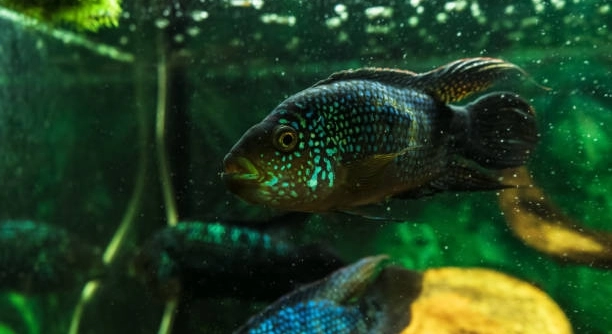
Keeping a Jack Dempsey fish healthy starts with creating the right tank environment. The substrate you choose affects water quality, fish behavior, and tank maintenance. Selecting an appropriate substrate can make caring for your fish easier and more enjoyable.
The best substrates for Jack Dempsey fish tanks include fine sand, smooth gravel, and specialized aquarium soils. These options provide stability, promote natural behaviors, support plant growth, and maintain optimal water conditions necessary for the species’ health.
Choosing the right substrate can improve your fish’s well-being and make tank upkeep simpler. The following options offer practical solutions for any aquarium setup.
Fine Sand Substrate
Fine sand is one of the most popular choices for Jack Dempsey tanks. Its smooth texture is gentle on the fish’s sensitive barbels and allows them to dig without risk of injury. Sand also prevents food and debris from sinking too deeply, making cleaning easier. Many aquarists prefer sand because it closely mimics the fish’s natural riverbed habitat. Over time, fine sand can compact, but regular stirring or adding tank plants helps maintain proper water circulation. It is compatible with live plants, providing a stable base for root growth. Sand also does not alter water parameters significantly, which is ideal for maintaining consistent pH and hardness levels. Choosing sand ensures a natural appearance in the aquarium and encourages natural behavior such as burrowing and sifting through the substrate. When properly maintained, fine sand can last for years, giving your Jack Dempsey a safe and comfortable environment.
Fine sand creates a natural and stable environment that promotes healthy behavior and makes tank cleaning manageable.
Its gentle texture and compatibility with live plants make it a reliable choice for long-term tank health, supporting both aesthetics and functionality in your aquarium.
Smooth Gravel Substrate
Smooth gravel is another excellent substrate for Jack Dempsey tanks. It allows water to flow freely between the grains, reducing the risk of anaerobic spots. Gravel comes in various sizes and colors, giving flexibility for tank design while ensuring the fish can move comfortably. It also supports plant roots and provides hiding spaces for small fish or invertebrates. Smooth gravel prevents sharp edges from harming the fish, and its stability helps anchor decorations and ornaments. Unlike coarse gravel, it is less likely to trap excessive debris, making maintenance simpler. Choosing the right gravel size is essential, as very large gravel can hinder digging behavior and create gaps where food can decay. Regular vacuuming keeps the substrate clean, preserving water quality. Gravel also offers a visually appealing contrast to the fish’s bright colors, enhancing the overall appearance of the tank. This substrate balances functionality and aesthetics for a healthy aquarium.
Gravel provides a practical and visually pleasing option for Jack Dempsey tanks.
With proper size selection and maintenance, it supports natural behavior, plant growth, and tank hygiene while enhancing the tank’s appearance.
Aquarium Soil Substrate
Aquarium soil is nutrient-rich and ideal for planted Jack Dempsey tanks. It supports healthy plant growth and helps maintain stable water parameters. The soft texture is safe for digging, and it promotes a natural environment for the fish to thrive.
Aquarium soil provides essential nutrients that encourage root development and plant vitality. Its composition buffers pH, keeping water slightly acidic to neutral, which suits Jack Dempseys well. The soft surface allows the fish to dig without injury, supporting their natural behaviors. Soil substrates also enhance tank aesthetics, giving a rich, natural look. Regular maintenance, including gentle stirring and water changes, prevents compacting and preserves water clarity. This substrate works best when paired with live plants, promoting both fish health and a balanced ecosystem. Choosing soil ensures a dynamic, sustainable aquarium environment that benefits plants and fish alike.
Using aquarium soil helps maintain water quality and encourages active, natural behavior. It also complements tank decorations and plant arrangements while providing a realistic riverbed appearance.
Crushed Coral Substrate
Crushed coral gradually raises water hardness and stabilizes pH, which can be beneficial in soft water areas. Its coarse texture discourages digging but provides a natural look and enhances mineral content in the water, supporting overall fish health.
This substrate is particularly helpful in maintaining consistent water parameters for Jack Dempseys. Crushed coral releases calcium and other minerals slowly, preventing sudden fluctuations that can stress fish. While not ideal for heavily planted tanks, it pairs well with hardy plants or driftwood. Its rough texture allows water circulation through the substrate, reducing waste accumulation and limiting anaerobic spots. The bright, natural appearance of coral fragments also enhances tank aesthetics. Regular rinsing before use prevents cloudiness, and occasional gentle cleaning preserves its effectiveness. Crushed coral is durable, long-lasting, and contributes to a stable environment that supports both fish and plants in suitable setups.
River Rock Substrate
River rocks provide a natural, decorative look while being gentle on Jack Dempsey fish. They create hiding spaces and help anchor plants or decorations, adding structure to the tank without affecting water parameters significantly.
The smooth surface prevents injuries while fish explore or dig. River rocks are easy to clean and maintain, making them a practical choice for aquariums that prioritize both aesthetics and safety.
Sand and Gravel Mix
A sand and gravel combination offers the benefits of both substrates. Fine sand allows natural digging, while gravel improves water circulation and prevents compaction. This mix provides a stable base for plants and decorations and supports healthy fish behavior.
Marbles and Pebbles
Marbles or small pebbles are not ideal for digging but add decorative value. They are easy to clean and do not affect water chemistry, making them a low-maintenance option for tanks with minimal substrate interaction.
FAQ
What is the best substrate for Jack Dempsey fish?
The best substrate depends on your tank setup and goals. Fine sand is ideal for natural behavior, allowing the fish to dig safely. Smooth gravel works well for planted tanks and decorative purposes, while aquarium soil supports healthy plant growth and keeps water parameters stable. Crushed coral can help maintain pH and hardness in soft water areas, and a sand-gravel mix balances digging behavior with stability. Each option has benefits, and selecting the right substrate ensures both fish health and a visually appealing aquarium.
Can Jack Dempsey fish live without substrate?
Yes, they can survive without substrate, but it’s not optimal. A bare-bottom tank makes cleaning easier and reduces the risk of debris buildup. However, the fish lose natural digging opportunities, which can stress them and affect behavior. Substrate provides comfort, encourages natural activity, and supports plants if you choose to add them. If going bare-bottom, adding decorations or hiding spots is important to replicate a natural environment.
How do I clean sand or gravel substrate?
Cleaning sand or gravel requires gentle vacuuming to remove debris without disturbing the tank too much. For sand, stir occasionally to prevent compacting, and siphon waste carefully to avoid sucking up the substrate. Gravel can be rinsed during water changes, but avoid removing too much at once. Using a gravel vacuum or siphon ensures water quality stays stable. Regular cleaning maintains healthy conditions for both fish and plants.
Is crushed coral safe for Jack Dempsey fish?
Crushed coral is safe when used correctly. It gradually raises water hardness and stabilizes pH, which is beneficial in areas with soft water. The texture is coarse, so it is not ideal for digging. It works best in tanks with hardy plants or minimal substrate interaction. Regular rinsing before use prevents cloudiness, and occasional cleaning maintains its effectiveness. Crushed coral provides both a natural appearance and chemical stability for your aquarium.
Can I mix different substrates in the same tank?
Yes, mixing substrates is possible and often beneficial. A sand-gravel mix gives digging opportunities while improving water circulation and plant support. Combining aquarium soil with sand can enhance plant growth while giving fish soft digging areas. Careful layering ensures stability and prevents substrate from compacting or mixing too much. Mixing substrates allows customization for both fish behavior and tank aesthetics.
How often should substrate be replaced?
Substrate doesn’t need frequent replacement if maintained properly. Sand and gravel can last for years with regular cleaning. Aquarium soil and crushed coral may require occasional top-ups to maintain nutrient content or mineral balance. Replacement is usually needed if the substrate becomes compacted, contaminated, or significantly changes water chemistry. Routine maintenance extends its lifespan and keeps the tank healthy.
Does substrate affect water quality?
Yes, substrate directly affects water quality. Soil or crushed coral can change pH, hardness, and nutrient levels. Sand and gravel are mostly neutral but can trap debris if not cleaned regularly. Substrate choice influences filtration efficiency, plant growth, and overall tank stability. Proper maintenance ensures water remains safe and balanced for Jack Dempsey fish.
Which substrate is best for planted tanks?
Aquarium soil is the top choice for planted tanks. It provides nutrients for roots and promotes healthy plant growth. Sand and smooth gravel also work if paired with root tabs or fertilizers. A sand-gravel mix can give both stability and soft digging areas for the fish. Choosing the right substrate ensures plants thrive while supporting Jack Dempsey activity.
Can Jack Dempsey fish damage the substrate?
Yes, Jack Dempsey fish are active diggers and may move sand or gravel while searching for food or creating hiding spots. Fine sand or soft soil is ideal to prevent injury. Gravel may shift, requiring occasional rearranging. Understanding their behavior helps select a substrate that balances safety, aesthetics, and maintenance.
Are decorative substrates safe for Jack Dempsey fish?
Decorative substrates like marbles or pebbles are generally safe as long as they are smooth and free of sharp edges. They are low-maintenance and don’t affect water chemistry. However, these substrates don’t support digging or plant growth, so they work best in tanks focused on appearance rather than natural behavior.
How do I choose the right substrate for my tank size?
Tank size affects substrate depth and type. Smaller tanks need thinner layers of sand or gravel to allow proper circulation. Larger tanks can accommodate thicker layers or mixed substrates. For heavily planted tanks, 2-3 inches of nutrient-rich soil is ideal. Matching substrate depth and type to tank size ensures stability and supports healthy fish and plants.
Can I switch substrates after the tank is established?
Switching substrates is possible but requires care. Remove fish temporarily or create a partition to protect them. Gradually transfer or layer the new substrate over the old one to prevent cloudiness and stress. Proper cleaning and acclimation help maintain water quality. Switching allows flexibility to improve tank aesthetics or plant growth without harming Jack Dempseys.
How do I prevent substrate from compacting?
Regular stirring, adding plants, and occasional water movement prevent substrate from compacting. Sand benefits from gentle raking or fish activity, while soil may require periodic rearranging. Avoid overfilling or layering too thickly. Proper maintenance ensures good water flow, healthy roots, and a safe environment for digging fish.
Can substrate affect fish coloration?
Yes, substrate can influence the appearance of Jack Dempsey fish. Darker substrates often enhance their natural colors, while lighter substrates may make them appear paler. Choosing a substrate with a color that complements the fish can improve tank aesthetics and highlight their vibrant patterns naturally.
Is it necessary to use substrate heaters or supplements?
Substrate heaters are generally unnecessary for Jack Dempsey tanks unless growing temperature-sensitive plants. Supplements like root tabs can enhance plant growth in sand or gravel tanks. Proper selection depends on tank setup and plant needs, ensuring a balanced and healthy environment for both fish and vegetation.
What are the most low-maintenance substrates?
Sand, smooth gravel, and decorative pebbles are low-maintenance options. They are easy to clean, don’t significantly alter water chemistry, and are durable. Regular vacuuming or rinsing keeps them in good condition. These substrates provide safe surfaces for Jack Dempseys while minimizing upkeep and effort.
How deep should substrate be in a Jack Dempsey tank?
For sand or fine gravel, 1-2 inches is sufficient. Aquarium soil or planted setups benefit from 2-3 inches to support root growth. Depth affects digging, plant stability, and water circulation. Maintaining proper substrate depth ensures both fish and plants thrive without creating anaerobic pockets or compaction.
Can substrate trap harmful bacteria?
Yes, substrates can trap bacteria and waste if not cleaned regularly. Sand and soil can compact, creating anaerobic spots, while gravel can accumulate debris between particles. Routine vacuuming, stirring, and water changes prevent harmful buildup and maintain a healthy environment for Jack Dempseys.
Do different substrates affect filtration needs?
Substrate choice influences filtration efficiency. Fine sand can trap debris, requiring strong or frequent filtration. Gravel and crushed coral allow water to flow easily, reducing buildup. Aquarium soil may release nutrients that affect biological filtration. Adjusting filtration based on substrate ensures stable water quality and reduces stress on the fish.
Is substrate necessary for breeding Jack Dempseys?
Yes, substrate plays a role in breeding behavior. Fine sand or soft soil provides a surface for egg laying and digging. Gravel or mixed substrates may also work, but smooth surfaces are preferred. Providing an appropriate substrate increases the chances of successful breeding while supporting natural behavior.
Can substrate impact tank decorations?
Substrate stabilizes decorations and plants. Gravel or soil helps anchor ornaments, driftwood, or plants, preventing them from floating or shifting. Sand can also support decorations but may require layering or anchoring. Choosing the right substrate ensures a stable, organized, and visually appealing tank setup.
What substrates should be avoided?
Avoid sharp, jagged, or chemically treated substrates that could harm fish or alter water chemistry. Large, heavy rocks without smooth surfaces may injure Jack Dempseys while digging. Unsafe substrates compromise both health and tank stability. Smooth, natural, and inert options are safest for long-term use.
Can substrate influence algae growth?
Yes, nutrient-rich substrates like aquarium soil can promote algae growth if overfertilized or exposed to excessive light. Sand and gravel are less likely to contribute nutrients but can still accumulate waste that fuels algae. Regular cleaning and balanced lighting help manage algae while maintaining healthy fish and plants.
How do I test if my substrate is safe?
Rinse new substrate thoroughly and monitor water parameters after adding it to the tank. Test pH, hardness, and clarity over several days. Observe fish behavior for signs of stress. Safe substrates remain stable, do not cloud water, and support healthy fish activity without harmful chemical changes.
Can Jack Dempsey fish rearrange the substrate?
Yes, they frequently dig, move sand or gravel, and create pits. This behavior is natural and should be expected. Using soft, safe substrates prevents injury and accommodates their digging instincts. Monitoring substrate movement helps maintain tank aesthetics and ensures fish safety.
Does substrate affect filtration placement?
Substrate depth and type influence filter efficiency. Fine sand can block intake, requiring careful positioning, while gravel allows water to flow freely. Soil may release particles that accumulate in the filter. Adjusting filter placement ensures consistent circulation and water quality throughout the tank.
Can substrate impact fish health long-term?
Yes, substrate affects water quality, behavior, and plant growth, all of which impact long-term health. Safe, clean substrates encourage natural digging, reduce stress, and support a balanced ecosystem. Poor substrate choices can lead to injuries, stress, or water quality issues, affecting fish longevity.
How do I transition from one substrate to another?
Gradually remove old substrate while maintaining water stability. Transfer fish temporarily if needed, and rinse the new substrate thoroughly. Layering the new substrate over the old can reduce cloudiness. This careful process minimizes stress and preserves water quality, allowing a smooth transition for both fish and plants.
Are there substrates that enhance fish colors naturally?
Yes, darker substrates like black sand or dark gravel make Jack Dempsey colors appear more vibrant. Light-colored substrates may dull their appearance. Selecting a substrate that complements the fish enhances visual appeal while maintaining a safe environment.
Can substrate influence fish aggression?
Substrate indirectly affects aggression by providing hiding spots and territories. Digging-friendly substrates allow fish to create pits and claim areas, which can reduce stress-related aggression. Bare or unsuitable substrates may increase territorial disputes or stress, so choosing an appropriate substrate supports calmer behavior.
What is the ideal substrate for community tanks with Jack Dempsey fish?
Fine sand or smooth gravel works best. These substrates accommodate digging without harming smaller tankmates. Avoid sharp or unstable substrates that could injure other fish. Layering or mixing substrates may provide both comfort for Jack Dempseys and safety for companions. Proper selection balances behavior, aesthetics, and compatibility.
How do I maintain substrate long-term?
Regular vacuuming, occasional stirring, and monitoring water parameters ensure substrate remains safe. Top up nutrient-rich soils as needed and rinse gravel or coral periodically. Consistent care prevents compaction, debris buildup, and water quality issues, supporting healthy Jack Dempsey behavior and plant growth.
Are there substrates that are harmful if ingested?
Yes, substrates with sharp edges, chemicals, or very large rocks can injure the digestive tract if ingested. Soft sand, smooth gravel, and inert soils are safe choices, minimizing the risk while allowing natural digging behavior and exploration.
Can substrate affect water clarity?
Yes, some substrates release fine particles or debris when disturbed. Sand and soil are prone to cloudiness if stirred aggressively, while gravel and crushed coral are more stable. Proper rinsing and gentle maintenance maintain clear water and a healthy environment.
How does substrate impact oxygen levels in the tank?
Substrate can affect water circulation and oxygen penetration. Compact soil or deep sand may reduce oxygen flow to lower layers. Gravel or mixed substrates allow better water movement, preventing anaerobic zones. Stirring and proper filtration support healthy oxygen levels throughout the tank.
Do Jack Dempsey fish prefer a specific substrate texture?
Yes, they prefer soft, smooth substrates like fine sand or soil for digging. Coarse or sharp substrates can cause stress or injury. Selecting a texture that accommodates natural behavior ensures comfort, reduces risk, and promotes active exploration within the tank.
Can substrate affect plant fertilizer use?
Yes, substrate choice determines nutrient retention. Aquarium soil holds fertilizers and supports root absorption, while sand or gravel may require additional root tabs. Adjusting fertilizer methods according to substrate ensures plants grow healthy without harming water quality or fish health.
How do I prevent substrate erosion from water flow?
Anchor plants, use rocks or decorations, and avoid strong direct currents. Gentle filtration and water movement prevent sand or soil from washing away. Proper tank design preserves substrate structure and stability for long-term health and aesthetics.
Is it necessary to use substrate in a breeding tank?
While not strictly required, a substrate like fine sand or soil encourages natural digging and egg-laying behavior. It provides a soft surface for juveniles and protects eggs, increasing breeding success and supporting normal reproductive behaviors in Jack Dempseys.
Can substrate influence disease prevention?
Yes, clean and safe substrates reduce the risk of harmful bacteria, parasites, or fungal growth. Compacted or contaminated substrates can harbor pathogens. Regular maintenance and selecting inert, smooth materials support a healthy environment and help prevent disease outbreaks.
Are there substrates better suited for juvenile Jack Dempsey fish?
Fine sand or soft aquarium soil is ideal for juveniles. It prevents injury while they dig and explore, offering a safe, comfortable environment. Coarse gravel or hard substrates may be risky for smaller fish, making soft options the best choice for growth and safety.
How do I remove debris without disturbing fish?
Use a siphon or gravel vacuum during water changes. Clean slowly and gently to avoid stressing fish. Stirring only when necessary prevents unnecessary cloudiness. Regular light maintenance keeps the substrate clean while minimizing disruption to the Jack Dempseys.
Can substrate affect tank pH over time?
Yes, substrates like crushed coral gradually raise pH and hardness, while soil may slightly lower pH. Sand and gravel are mostly neutral. Monitoring water chemistry ensures stability, preventing sudden shifts that can stress Jack Dempsey fish and affect overall tank health.
What is the easiest substrate for beginners?
Smooth gravel, fine sand, or decorative pebbles are easiest to maintain. They are durable, safe for fish, and require minimal effort to clean. These options allow beginners to focus on water quality and fish care without worrying about complex substrate management.
How does substrate affect root growth for plants?
Soft, nutrient-rich substrates like aquarium soil provide stability and nutrients for roots. Sand or gravel can support plants if supplemented with root tabs. Proper substrate selection ensures strong root systems, promoting healthy growth and a balanced ecosystem within the tank.
Can Jack Dempsey fish uproot plants with substrate digging?
Yes, active digging can disturb plant roots, especially in loose sand or soil. Using heavier decorations or plant anchors prevents uprooting. Choosing a substrate that balances digging behavior and plant stability protects both plants and fish.
Is substrate necessary for tanks with strong filtration?
Even with strong filtration, substrate is beneficial. It provides a surface for beneficial bacteria, supports natural behaviors, and helps anchor plants. Bare-bottom tanks are possible, but substrate adds stability, comfort, and aesthetic appeal while complementing filtration systems.
Can I use colored substrates safely?
Yes, as long as the substrate is aquarium-safe and free from dyes that leach chemicals. Smooth, non-toxic materials are safe. Colored substrates enhance visual appeal but ensure they do not compromise water quality or fish health.
How do I maintain substrate in heavily stocked tanks?
Increase cleaning frequency, stir sand, and vacuum gravel regularly. Monitor water parameters closely to prevent waste buildup. Using robust filtration alongside careful substrate maintenance ensures stable conditions, even in tanks with multiple Jack Dempseys or other fish.
Can substrate affect tank temperature?
Substrate has minimal direct impact on water temperature. It may slightly insulate the bottom, but heaters and filtration systems regulate temperature more effectively. Choosing a substrate for texture, behavior, and water chemistry is more important than thermal considerations.
Are natural riverbeds better than artificial substrates?
Natural riverbed materials like sand, smooth gravel, and river rocks closely mimic the Jack Dempsey’s habitat. Artificial substrates may offer durability and color options but may lack nutrients for plants or natural digging properties. Choosing natural materials supports behavior and overall tank balance.
How often should I stir soil-based substrates?
Occasional gentle stirring prevents compaction and maintains water flow. Avoid frequent disruption to prevent cloudiness. Regular but careful maintenance supports plant roots, prevents anaerobic spots, and allows fish to dig safely without stress.
Can substrate impact filtration efficiency?
Yes, compacted or fine substrates may restrict water flow to filters. Gravel and crushed coral allow better circulation. Ensuring substrate does not block intake or create dead zones improves filtration efficiency and maintains healthy water conditions.
Is substrate necessary for tanks with few fish?
Even small tanks benefit from substrate. It encourages natural behavior, supports plants, and adds aesthetic value. Bare-bottom tanks are low-maintenance but may reduce comfort for Jack Dempseys. Substrate provides both functionality and a natural environment regardless of fish numbers.
Can substrate affect oxygen levels in heavily planted tanks?
Yes, substrate type and depth influence root oxygenation. Compacted soil or deep sand may reduce oxygen in lower layers. Gravel and loose soil improve water circulation and prevent anaerobic zones. Stirring and proper maintenance support plant and fish health.
What substrates work best for juvenile and adult Jack Dempseys together?
Fine sand or soft soil accommodates digging for all sizes. Gravel can be layered to provide stability without harming juveniles. Combining textures supports natural behavior, prevents injury, and allows both juvenile and adult fish to coexist comfortably.
Can substrate affect algae growth in planted tanks?
Nutrient-rich soils can promote algae if overfertilized. Sand and gravel trap less organic matter but can still contribute. Maintaining balance in lighting, nutrients, and water changes prevents excessive algae while supporting plant growth and fish health.
Are there substrates that naturally buffer water pH?
Crushed coral and limestone gravel gradually increase hardness and pH. Aquarium soil may slightly lower pH depending on composition. Choosing a substrate with buffering properties helps maintain stable water chemistry suitable for Jack Dempseys.
Can Jack Dempseys compact the substrate too much?
Yes, constant digging in sand or soil can create compacted areas. Regular stirring, plant roots, and careful tank design prevent hard layers. Maintaining substrate integrity ensures fish safety, plant stability, and good water circulation.
How does substrate choice affect tank aesthetics?
Substrate influences color contrast, natural appearance, and visibility of fish. Darker substrates highlight vibrant colors, while light substrates create brightness. Mixing textures or colors adds depth. Proper selection enhances both the look and functionality of the tank.
**
Choosing the right substrate for your Jack Dempsey tank is more than just an aesthetic decision. The substrate plays a crucial role in creating a comfortable and natural environment for your fish. Fine sand and smooth gravel provide soft surfaces for digging and exploring, while aquarium soil supports plant growth and maintains balanced water parameters. Crushed coral can be useful in areas with soft water, gradually stabilizing pH and hardness, and a sand-gravel mix combines the benefits of both textures. Each option has its strengths, and the choice depends on the type of tank setup, whether you have live plants, and the behavior you want to encourage in your fish. A well-chosen substrate ensures that your Jack Dempseys remain healthy, active, and less stressed, while also making maintenance easier for you as an aquarist.
Maintaining the substrate properly is just as important as selecting it. Regular cleaning and occasional stirring prevent debris buildup, compaction, and anaerobic zones that can harm your fish or plants. Soft substrates like sand or soil may require gentle care to avoid cloudiness in the water, while gravel and river rocks are more forgiving but still benefit from routine vacuuming. For planted tanks, nutrient-rich soils need periodic monitoring to support healthy root systems, while decorative options like marbles or pebbles can enhance appearance with minimal maintenance. By paying attention to these details, you create a balanced environment that supports natural behavior, reduces stress, and promotes the overall health of your Jack Dempseys. Proper maintenance also helps maintain clear water, allowing the colors and activity of your fish to remain visible and enjoyable.
The substrate you choose affects not only the physical environment but also the long-term dynamics of the tank. Soft substrates allow Jack Dempseys to dig naturally, which can reduce aggression and encourage healthy activity. Plant-supporting substrates improve growth, oxygenation, and nutrient cycling, creating a more self-sustaining ecosystem. Even in bare-bottom tanks, using safe, stable substrates provides benefits such as anchoring decorations and creating territorial areas that help manage fish behavior. Understanding how each substrate interacts with water chemistry, filtration, and fish behavior allows you to make informed choices for your tank. By combining thoughtful selection with consistent care, you ensure a habitat that promotes longevity, vibrant health, and a comfortable life for your Jack Dempsey fish, while also creating a visually pleasing and functional aquarium for years to come.

Hello,
If you enjoy the content that we create, please consider saying a "Thank You!" by leaving a tip.
Every little bit helps us continue crafting quality advice that supports the health, happiness, and well-being of pets around the world, for pets of all shapes, sizes, and species.
We really appreciate the kindness and support that you show us!