
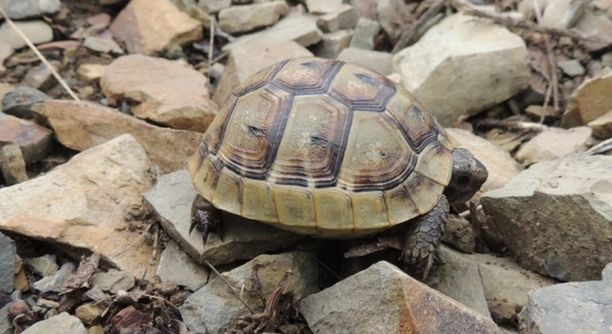
Greek tortoises are fascinating pets that require proper care to thrive. One of the key aspects of their well-being is the right substrate. The substrate in their enclosure plays a crucial role in their health and comfort.
When selecting the best substrates for Greek tortoises, it is important to choose materials that mimic their natural environment, offer easy maintenance, and ensure proper humidity and temperature levels. These factors promote overall well-being and prevent health issues.
In this guide, we will explore different substrates that are ideal for Greek tortoises. You’ll learn about the benefits and potential drawbacks of each, making it easier to choose the best option for your pet.
Why Substrate Matters for Greek Tortoises
Choosing the right substrate is essential for the health of Greek tortoises. It impacts their comfort, digestion, and overall well-being. Substrate helps mimic their natural environment by providing a safe and stable place to burrow, which is something they naturally enjoy. A proper substrate also helps regulate humidity and temperature, both of which are crucial for the tortoise’s health. Inadequate substrate choices can lead to stress, skin problems, or even respiratory issues. Over time, the right material can make a noticeable difference in your tortoise’s behavior, comfort, and overall health.
Not all substrates are created equal, and picking the wrong one could cause issues for your tortoise. It’s vital to consider factors like moisture retention, ease of cleaning, and whether the material can be ingested safely. Keeping these things in mind will ensure your tortoise enjoys its enclosure without complications.
By understanding your tortoise’s needs, you can select the most beneficial substrate. A carefully chosen material can help keep your tortoise active and happy, preventing any potential health issues related to improper living conditions.
Best Substrates for Greek Tortoises
One of the most popular options for Greek tortoises is coconut coir. This material is highly absorbent, easy to maintain, and gentle on the tortoise’s feet. It helps maintain the right humidity levels, ensuring the environment is comfortable. Coconut coir is also a great choice for burrowing, which is an essential behavior for tortoises. The natural texture and consistency of coir create a suitable surface for these reptiles to dig into, offering a more natural habitat for them.
Coconut coir can be a bit messy if not maintained regularly. It’s important to spot clean daily and fully change the substrate when necessary. Despite this, it’s one of the easiest substrates to work with and provides great benefits for your tortoise’s overall well-being.
This material is safe, affordable, and sustainable. It is an excellent option for those who want to provide their tortoises with a naturalistic environment while also keeping maintenance easy.
Cypress Mulch
Cypress mulch is another excellent choice for Greek tortoises. It is highly absorbent, lightweight, and has natural antimicrobial properties, which help prevent mold growth. This makes it a safe option for tortoises with sensitive skin or respiratory issues.
Cypress mulch creates a comfortable environment for burrowing and is easy to maintain. It is relatively low-maintenance and can last for a while before needing to be changed. However, it’s important to check for any mold growth, as this could be harmful to your pet’s health. Cypress mulch also provides a natural scent that helps keep the enclosure fresh.
This substrate is great for maintaining humidity and temperature, which are essential for a tortoise’s health. It’s also very easy to spot clean, which makes daily care manageable. While it can be a bit pricier than other options, the benefits make it worthwhile for many tortoise keepers.
Organic Topsoil
Organic topsoil is a more natural and affordable option for your Greek tortoise. It mimics their natural habitat, providing a great surface for digging and burrowing. The soil is nutrient-rich, which can also promote healthy plant growth in the enclosure.
Organic topsoil holds moisture well, which helps maintain the humidity levels that tortoises need. It’s important to ensure that the soil doesn’t contain any fertilizers or chemicals, as these can be harmful to your pet. When used correctly, organic topsoil offers a naturalistic environment that many tortoises enjoy.
One drawback to using topsoil is that it can be messy and hard to clean compared to other substrates. It’s also necessary to monitor the humidity carefully, as over-wetting can lead to mold or bacterial growth. Despite these challenges, organic topsoil is a solid choice for those wanting to recreate a more natural habitat for their tortoises.
Grass Hay
Grass hay, such as timothy or meadow hay, can be used as a substrate for Greek tortoises. It’s natural, safe, and offers a comfortable surface for them to walk on. It also provides some roughage for their diet, which is beneficial for digestion.
Hay does need to be replaced regularly, as it can become soiled quickly. It also doesn’t retain moisture well, so it might not be the best choice if you’re looking to maintain specific humidity levels. However, it can be a useful option in combination with other substrates to create a balanced environment.
Reptile Carpet
Reptile carpet is a simple, reusable option for tortoise enclosures. It is easy to clean and helps prevent loose substrate from being ingested. It’s a good choice for those who prefer a low-maintenance substrate.
Though it’s easy to care for, reptile carpet doesn’t provide the same burrowing opportunities as other materials. It also doesn’t retain moisture, so it may not help with humidity levels. If you choose this option, it’s important to monitor the enclosure’s overall environment to ensure your tortoise stays comfortable.
FAQ
What is the best substrate for a Greek tortoise?
The best substrate for a Greek tortoise will depend on your specific setup and your tortoise’s needs. Coconut coir and cypress mulch are both top choices due to their moisture retention, absorbency, and ease of maintenance. Organic topsoil is another solid option for a more naturalistic environment. It’s also important to consider the ease of cleaning and the ability to provide burrowing opportunities. Each material has its pros and cons, so you should choose based on your preferences for care and your tortoise’s health requirements.
Can I use sand as a substrate for Greek tortoises?
Sand is not ideal as a sole substrate for Greek tortoises, though it can be used in combination with other materials. It can be harsh on their skin, especially if it gets too dry. Sand also doesn’t retain moisture well and can lead to dehydration or respiratory issues if used in excess. If you decide to include sand in your setup, it’s important to mix it with a more absorbent material, like coconut coir, to create a more balanced substrate. Always avoid fine or dust-like sand, as it can be harmful if ingested.
How often should I change the substrate in my Greek tortoise’s enclosure?
Substrate should be changed every 4-6 weeks, but it’s crucial to spot clean daily. This means removing waste and uneaten food as soon as possible. Changing the entire substrate will depend on the material used, as some require more frequent changes than others. For example, coconut coir and cypress mulch can last longer, while organic topsoil or hay may need to be replaced sooner. Always ensure the substrate is dry, clean, and free from mold or bacteria to prevent health problems for your tortoise.
Can I use bark chips for a Greek tortoise?
Bark chips, like pine or cedar, are not recommended for Greek tortoises. These materials can release harmful oils and scents that can irritate their respiratory system and skin. Cedar chips, in particular, have been linked to respiratory issues in reptiles, so it’s best to avoid them. If you’re looking for a natural material, opt for cypress mulch instead, as it’s safe and more suitable for tortoises. Always choose a substrate that is free from toxic chemicals or oils to ensure the health of your tortoise.
Is it necessary to use a humid substrate for Greek tortoises?
Greek tortoises don’t need a high-humidity environment, but they do benefit from a slight increase in humidity. A substrate like coconut coir or cypress mulch will help maintain a balanced humidity level without becoming overly wet. Overly moist substrates can lead to health issues, including respiratory infections or fungal growth. A humidity level of around 50-60% is ideal for Greek tortoises. Make sure the substrate is kept dry but provides enough moisture to keep them comfortable.
How do I maintain the right humidity level with my substrate?
Maintaining proper humidity is important for Greek tortoises, but it doesn’t have to be difficult. Choosing a moisture-retentive substrate like coconut coir or cypress mulch will help. You can also mist the substrate lightly, but avoid making it soggy. Regular monitoring with a hygrometer can help you track the humidity levels. If the humidity gets too low, you can increase it by spraying water or using a shallow water dish in the enclosure. Just be sure to balance the moisture to avoid mold or mildew growth.
Can I mix different substrates in the same enclosure?
Yes, you can mix substrates to provide a balanced environment. Many tortoise owners choose to combine materials like coconut coir, cypress mulch, and organic topsoil to create a more natural habitat. Mixing substrates can provide benefits such as better moisture retention, improved texture for burrowing, and easier maintenance. However, it’s important not to overdo it with any one material. Always ensure that the combination is safe and doesn’t introduce any risks, such as mold growth or improper humidity.
Do I need to worry about my tortoise eating the substrate?
Some substrates, like coconut coir and cypress mulch, are safe if ingested in small amounts. However, substrates like sand or synthetic materials should be avoided, as they can cause digestive issues or other health problems. Greek tortoises naturally nibble at their environment, but it’s important to choose a substrate that won’t harm them if they accidentally ingest it. Always ensure that the substrate is free from harmful chemicals, pesticides, or artificial additives. Ingesting small amounts of natural materials like coconut coir or cypress mulch won’t typically cause harm, but it’s best to monitor your tortoise closely.
How can I prevent my Greek tortoise from burrowing too much into the substrate?
Burrowing is a natural behavior for Greek tortoises, and they enjoy having the opportunity to dig. However, if you find that they are burrowing too deeply or excessively, you can adjust the depth of the substrate. Make sure it’s deep enough for natural burrowing but not overly deep. You can also use rocks or pieces of wood to create a boundary that will encourage your tortoise to dig at a moderate depth. If you’re concerned about excessive burrowing, consider providing more climbing and hiding areas to divert their attention.
Can I use artificial turf for a Greek tortoise substrate?
Artificial turf is not the best choice for Greek tortoises. While it is easy to clean, it doesn’t allow for burrowing, which is a natural behavior for them. Additionally, artificial turf can be too slippery, which can cause discomfort or stress for your tortoise. It also doesn’t retain moisture, which is necessary for keeping the right humidity levels. If you’re looking for a low-maintenance option, consider using reptile carpet, which offers a safer surface, though it still doesn’t provide the burrowing opportunities that other substrates offer.
Final Thoughts
Choosing the right substrate for your Greek tortoise is essential for its well-being. The substrate serves several important purposes, including providing a comfortable environment for burrowing, maintaining humidity levels, and supporting overall health. There is no one-size-fits-all answer, as the best substrate will depend on factors like the size of your enclosure, your tortoise’s needs, and how much maintenance you’re willing to do. The goal is to create a habitat that mimics their natural surroundings as much as possible, which promotes natural behaviors and keeps them happy and healthy.
Coconut coir, cypress mulch, and organic topsoil are all great options to consider. These materials offer a natural feel for your tortoise, help retain moisture, and are relatively easy to clean. It’s also possible to combine different substrates to create the ideal environment. For example, mixing coconut coir with a bit of cypress mulch can give your tortoise the right balance of moisture retention and burrowing space. Whatever you choose, make sure to monitor your tortoise’s health closely and adjust the substrate if needed. Some tortoises may have different preferences or needs depending on their age, health, and the climate in which they live.
Lastly, keep in mind that maintaining the right humidity and temperature is just as important as selecting the best substrate. Even the best materials can cause problems if the environment isn’t properly managed. Regular spot cleaning, monitoring the enclosure’s conditions, and making sure your tortoise has access to fresh food and water are all key factors in ensuring a long, healthy life for your pet. It’s all about creating the right balance of comfort, cleanliness, and natural habitat features to suit your tortoise’s needs.

Hello,
If you enjoy the content that we create, please consider saying a "Thank You!" by leaving a tip.
Every little bit helps us continue crafting quality advice that supports the health, happiness, and well-being of pets around the world, for pets of all shapes, sizes, and species.
We really appreciate the kindness and support that you show us!