
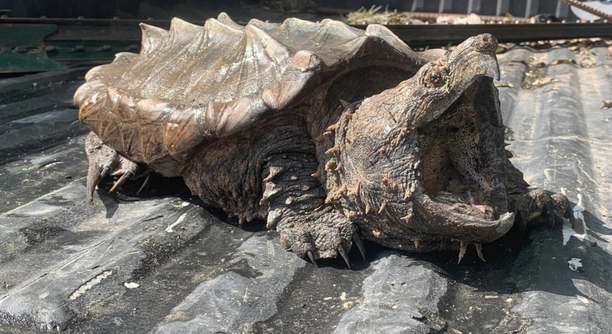
Choosing the right substrate for an alligator snapping turtle habitat is essential for their health and well-being. The right material helps mimic their natural environment and provides the proper conditions for them to thrive.
The best substrates for an alligator snapping turtle habitat should be non-toxic, easy to clean, and provide a suitable environment for burrowing and swimming. Substrates like sand, river rock, or organic matter offer ideal conditions for these turtles.
Selecting the right substrate plays a major role in maintaining a healthy and comfortable habitat. Let’s explore the options available and how they benefit your alligator snapping turtle’s needs.
Sand Substrate
Sand is one of the most popular choices for alligator snapping turtles. It mimics their natural environment, allowing them to dig and burrow comfortably. The sand should be fine and free of chemicals or sharp edges to avoid harming your turtle. It also provides a soft landing for your turtle’s movements. Additionally, sand helps in maintaining the proper water chemistry, especially when used in shallow parts of the tank, as it allows waste to filter through easily.
When choosing sand, ensure it’s aquarium-safe. Avoid using beach sand, as it may contain harmful microorganisms or debris. If you are using it in a tank with water, it is essential to clean it frequently to prevent any build-up of waste or bacteria. A fine-grain sand is recommended since coarse grains can be too harsh on their delicate skin and claws.
Sand can also help with temperature regulation. It holds heat well, which is beneficial for your turtle if it needs a warm spot in its habitat. Although it’s easy to maintain, it’s crucial to monitor your turtle’s behavior closely to avoid accidental ingestion of sand, which can cause digestive issues.
Gravel Substrate
Gravel can also be a good option for alligator snapping turtles, though it requires more care. Larger gravel pieces ensure that your turtle cannot swallow them easily, preventing potential digestive problems.
Using gravel provides a more natural aesthetic in the habitat, resembling riverbeds or streams. It also promotes good water flow, keeping the environment clean and preventing waste from settling too much. However, frequent water changes and gravel vacuuming will be necessary to keep it pristine.
River Rocks Substrate
River rocks offer a sturdy substrate that provides a more solid surface for your alligator snapping turtle. They are less likely to be ingested, making them a safer choice for some turtles. It also helps in creating a more naturalistic setting.
These rocks can be placed to cover the bottom of the tank, mimicking the type of riverbed habitat where these turtles are found. The uneven surfaces encourage the turtles to move around, offering mental stimulation. However, it is important to clean the rocks regularly as debris can accumulate between them. This can lead to unhealthy water conditions.
River rocks are also useful for creating hiding spots and shelters within the tank. Your turtle will appreciate the option to retreat under the rocks for some privacy or rest. Just be cautious when selecting the rocks—ensure they are smooth and free from sharp edges that could injure your turtle.
Organic Substrate
Organic substrates like coconut husk, leaf litter, or sphagnum moss can also be used for an alligator snapping turtle habitat. They help to keep humidity levels in check, which is beneficial for your turtle’s skin and overall health. Organic materials naturally break down, enriching the habitat.
This type of substrate is great for providing a more bioactive environment. It helps to support beneficial bacteria that assist in breaking down waste, improving water quality. It can also be combined with other substrates, such as gravel or sand, to provide a varied environment for your turtle.
However, organic substrates can be a little more challenging to maintain. You’ll need to replace or clean them more often, as they can decompose over time. Ensure that the substrate does not become too damp, as excess moisture can cause mold growth or water quality problems.
Crushed Coral Substrate
Crushed coral is another option that works well for alligator snapping turtles. It helps in maintaining a stable pH level in the water. Its natural composition makes it ideal for turtles that require slightly alkaline water.
While crushed coral can regulate the water’s pH, it’s important to monitor the water regularly. If the water becomes too alkaline, it may harm your turtle. This substrate also provides a firm and solid surface for the turtle, making it easier for them to move around.
Keep in mind that crushed coral can be difficult to clean. Regular water changes and occasional vacuuming will be necessary to prevent waste from building up.
Clay Substrate
Clay substrates, such as excavator clay, offer a great way for alligator snapping turtles to dig and burrow. They help create a natural environment where the turtle can engage in its natural behaviors. This substrate is ideal for those who want to replicate the turtle’s wild habitat closely.
Clay is easy to mold, allowing you to shape hiding spots or basking areas in your turtle’s tank. It’s also safe and non-toxic, making it a great option for those concerned about the safety of their turtles. However, clay can be tricky to clean, and waste can easily accumulate.
Fine Gravel Substrate
Fine gravel is a more versatile option. It’s small enough that turtles won’t accidentally swallow it but large enough to create a solid and stable environment. It also allows for water flow, helping prevent stagnant conditions.
FAQ
What is the best substrate for an alligator snapping turtle?
The best substrate for an alligator snapping turtle depends on the tank setup and your turtle’s needs. Sand, gravel, and river rocks are all solid choices. Sand provides a natural environment for burrowing, while river rocks create hiding spots and gravel helps keep the water clean. It’s essential to choose a substrate that’s non-toxic, easy to maintain, and won’t harm your turtle if ingested. Some owners opt to mix different substrates to create a more naturalistic and enriching environment.
Can alligator snapping turtles live without a substrate?
While it is possible for an alligator snapping turtle to live without a substrate, it’s not recommended. A substrate provides essential benefits, such as encouraging natural behaviors like burrowing, hiding, and foraging. It also helps maintain proper water chemistry and can reduce the risk of injury. Without a substrate, your turtle’s environment might feel unnatural and less comfortable. Consider using a safe, easy-to-maintain substrate for their overall well-being.
How often should I clean the substrate in my turtle’s tank?
The frequency of cleaning the substrate depends on the type you use and the size of the tank. For sand, it’s important to clean it once a week to prevent waste from building up. Gravel or river rocks may need cleaning every two weeks, but regular water changes will help maintain water quality. Organic substrates may require cleaning more frequently, especially if they start to decompose. Always keep an eye on the substrate for any signs of excess waste or mold growth, which can affect your turtle’s health.
Is sand safe for an alligator snapping turtle?
Yes, sand can be safe for alligator snapping turtles if you choose the right type. Fine, non-toxic aquarium sand is ideal. Avoid using sharp-edged sand or sand from beaches, as it may contain harmful substances or be too coarse. When using sand, always ensure it is kept clean to avoid any issues with waste buildup or bacteria growth. It’s important to observe your turtle to make sure they don’t ingest too much sand, as this can cause digestive problems.
Can I use gravel as a substrate?
Gravel is a suitable substrate for alligator snapping turtles. Choose larger, smooth gravel to prevent accidental ingestion. Gravel can help maintain water flow and prevent waste from settling, promoting a cleaner tank environment. However, it requires regular cleaning to ensure that waste doesn’t build up in the gaps between the stones. While gravel is a safe and functional option, make sure it’s not too fine, as small pieces can be ingested, causing digestive issues.
How do I prevent my turtle from eating the substrate?
To prevent your alligator snapping turtle from eating the substrate, choose larger or coarser materials that are too big to ingest. River rocks and larger gravel pieces work well in this regard. If using sand, monitor your turtle closely to ensure they’re not eating it. If you notice your turtle eating too much of the substrate, it may be a sign of improper diet or a lack of enrichment in their environment. It’s essential to ensure your turtle is eating a balanced diet and has enough space to move around.
Can I mix different types of substrates in the tank?
Yes, mixing different types of substrates can create a more dynamic environment for your turtle. Some people combine sand with river rocks or gravel to offer both soft digging areas and sturdy surfaces for hiding and resting. Just make sure the substrates are safe for your turtle and easy to clean. Mixing substrates can provide different textures and help encourage natural behaviors, like burrowing or foraging. However, be mindful of the maintenance requirements, as different substrates may need to be cleaned on different schedules.
What happens if the substrate is too deep for my turtle?
If the substrate is too deep, it can be difficult for your alligator snapping turtle to move around or find solid footing. Deep substrate can also cause issues with water quality, as waste may get trapped and become harder to clean. Too much depth might even create an environment where the turtle gets stuck or injured while trying to dig or burrow. It’s important to maintain a substrate depth that allows your turtle to dig comfortably but doesn’t hinder their movement or affect tank conditions.
Can I use organic substrates like coconut husk or moss?
Organic substrates like coconut husk or moss can be a great choice for alligator snapping turtles. They provide a more natural habitat, help maintain humidity levels, and encourage burrowing and nesting behaviors. These substrates also support beneficial bacteria that help break down waste, keeping the tank cleaner. However, organic substrates can decompose over time, so they may need to be replaced or cleaned more frequently. Be cautious with moisture levels, as too much can lead to mold or bacteria growth. Make sure to choose organic materials that are safe and non-toxic for your turtle.
What is the best way to clean the substrate?
The best way to clean the substrate depends on the type you’re using. For sand, it’s important to remove any waste or debris regularly and vacuum the sand gently to avoid disturbing it too much. Gravel and river rocks can be cleaned with a gravel vacuum to remove waste trapped in the gaps. Organic substrates require more frequent replacement, but you can spot clean by removing any decomposing material. Always perform regular water changes, as this will help maintain overall tank cleanliness and prevent bacteria or mold from building up.
Does the substrate affect the water quality?
Yes, the substrate plays a significant role in water quality. Organic substrates, like coconut husk or moss, can help improve water quality by encouraging beneficial bacteria to break down waste. Gravel and river rocks allow for better water flow, which helps prevent waste from accumulating. However, if the substrate isn’t cleaned regularly, it can lead to poor water conditions. Sand, if left unchecked, can trap waste and lead to bacterial growth. Keeping your substrate clean and performing regular water changes are essential to maintaining good water quality.
Final Thoughts
Choosing the right substrate for your alligator snapping turtle habitat is an important decision that directly impacts your turtle’s comfort and health. There are several options available, each with its benefits and challenges. Sand is often preferred because it mimics the natural environment, allowing the turtle to dig and burrow as it would in the wild. However, it is essential to choose fine, non-toxic sand and clean it regularly to prevent waste buildup. Gravel and river rocks are also great options, offering a solid surface and helping maintain good water flow. Both options are durable and safe if cleaned properly, though river rocks provide added hiding spots and a more natural look.
Organic substrates, such as coconut husk or moss, can help regulate humidity and create a more bioactive environment. They support beneficial bacteria that break down waste, making them a good choice for water quality. However, they require more frequent cleaning and monitoring for excess moisture. Some people like mixing different substrates to offer variety and promote natural behaviors in their turtle. This can create a more dynamic environment, but it’s crucial to choose compatible materials and clean them according to their individual needs.
Ultimately, the best substrate will depend on your alligator snapping turtle’s specific needs and your ability to maintain the habitat. Regular cleaning and monitoring of the substrate are essential to ensure your turtle’s health and well-being. Whatever option you choose, the goal is to create a safe, comfortable space where your turtle can thrive. By considering your turtle’s behavior, water quality, and maintenance needs, you can make the right choice to enhance their living environment and ensure their long-term happiness.

Hello,
If you enjoy the content that we create, please consider saying a "Thank You!" by leaving a tip.
Every little bit helps us continue crafting quality advice that supports the health, happiness, and well-being of pets around the world, for pets of all shapes, sizes, and species.
We really appreciate the kindness and support that you show us!