
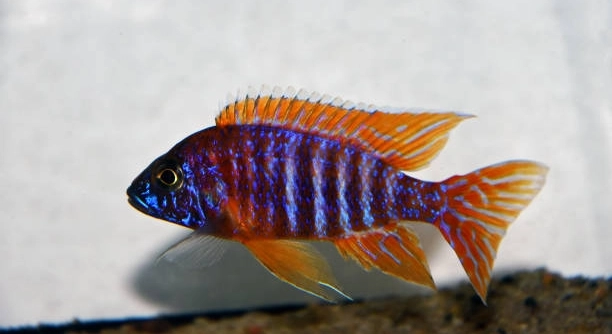
African cichlids are vibrant and active fish that need the right environment to thrive. One important aspect of their tank setup is choosing a suitable substrate. The substrate affects water quality, fish health, and the overall look of the aquarium.
Selecting the best substrate for African cichlid tanks involves considering factors like water chemistry, ease of cleaning, and compatibility with the fish’s natural behavior. Common substrates include sand, gravel, and specialized materials that support a stable and healthy habitat.
Knowing which substrates work best can help you create a balanced tank that supports your cichlids’ needs and keeps your aquarium attractive and functional.
Sand Substrate
Sand is a popular choice for African cichlid tanks because it closely mimics their natural environment. It allows fish to dig and sift, which is a common behavior in many cichlid species. Fine-grain sand is gentle on the fish’s delicate barbels and helps prevent injury. Additionally, sand can be easier to clean than gravel if maintained properly, as debris tends to sit on top rather than fall between particles. However, it is important to choose aquarium-safe sand to avoid altering water chemistry, especially since African cichlids prefer hard, alkaline water. Sand also provides a clean, natural look that enhances the tank’s visual appeal without distracting from the fish. When setting up a tank, rinsing sand thoroughly before adding it is essential to remove dust and prevent cloudiness.
Maintaining sand requires regular vacuuming but less disturbance of beneficial bacteria colonies compared to gravel. It offers a balanced environment for African cichlids.
For tanks with digging cichlids, sand substrate supports their natural behaviors, contributing to healthier and more active fish. It also promotes clear water conditions when cleaned carefully.
Gravel Substrate
Gravel is widely available and easy to clean, making it a convenient substrate option. It provides good surface area for beneficial bacteria growth, which helps maintain water quality. Gravel comes in various sizes and colors, allowing customization to suit tank aesthetics. Unlike sand, gravel particles are larger, which can trap debris and require more frequent cleaning. Some cichlids may also find gravel less natural, as it doesn’t support digging behaviors as well. For African cichlid tanks, choosing smooth gravel reduces the risk of injury to fish. It is important to avoid sharp-edged gravel that could harm delicate fins. Gravel’s durability and variety make it a versatile choice, but proper maintenance is key to preventing waste buildup and maintaining water clarity.
Gravel offers a practical balance between aesthetics and functionality, supporting bacteria and tank cleanliness when managed properly.
Gravel substrate supports a healthy aquarium ecosystem by encouraging bacterial colonies and aiding in waste breakdown. While it may require more frequent cleaning, it adds visual interest and durability to the tank. Selecting smooth, medium-sized gravel helps protect fish and allows moderate digging activity, which some cichlids enjoy. Proper rinsing before use reduces dust and prevents water cloudiness. Gravel’s structure promotes good oxygen flow in the substrate, benefiting root systems of live plants if included. Overall, gravel can be a reliable substrate choice that supports both biological filtration and tank aesthetics, provided the tank owner commits to regular upkeep.
Crushed Coral Substrate
Crushed coral is often chosen for African cichlid tanks because it helps maintain higher pH levels and water hardness. This substrate naturally buffers water, keeping it alkaline, which is ideal for many cichlid species. It also has a rough texture that some fish enjoy.
The roughness of crushed coral provides ample surface area for beneficial bacteria to grow, aiding in biological filtration. It also supports digging behavior but can be sharp, so it may not suit all cichlids or tank mates. Regular cleaning is important to avoid waste buildup, as crushed coral can trap debris between pieces.
Using crushed coral requires careful consideration of tank inhabitants. It is best suited for species that thrive in harder water and those that benefit from the natural buffering properties it provides. For tanks with sensitive species, it might be less ideal due to its texture.
Bare Bottom Tanks
Bare bottom tanks eliminate substrate entirely, making cleaning easier and reducing debris accumulation. This method allows for quick water changes and easy waste removal, which helps maintain water quality.
Without substrate, fish behavior can be affected, as cichlids often like to dig or sift through the tank floor. However, bare bottom tanks are practical for breeding or hospital setups, where cleanliness is crucial. They also reduce the risk of harmful bacteria buildup in the substrate.
Bare bottom tanks require more frequent cleaning to prevent algae growth on the tank floor. Though less natural looking, this setup simplifies maintenance and can benefit specific aquarium goals like breeding or treating fish. It’s a functional choice when substrate is not essential for fish behavior or tank aesthetics.
Aqua Soil Substrate
Aqua soil is a nutrient-rich substrate often used in planted tanks. It supports plant growth by releasing nutrients gradually into the water.
This substrate helps maintain stable water parameters but may lower pH and soften water, which might not suit all African cichlids.
Marble Chips Substrate
Marble chips are a natural choice for cichlid tanks because they increase water hardness and raise pH. Their smooth texture reduces the risk of injury, and they add a unique look. However, marble chips do not support beneficial bacteria growth as well as other substrates, so proper filtration is essential to maintain water quality.
Laterite Substrate
Laterite is rich in iron and other minerals, making it useful in planted tanks to promote root development. It is usually placed under other substrates to avoid clouding water. This substrate supports plant health but should be used carefully with cichlids to prevent altering water chemistry unexpectedly.
What is the best substrate for African cichlids?
The best substrate depends on the species and their natural behavior. Sand is often preferred because it mimics their natural lake environment and supports digging. Crushed coral or marble chips help maintain the high pH and hardness these fish need. Gravel can work but should be smooth and properly maintained. Choosing a substrate that balances water chemistry and fish comfort is key to a healthy tank.
How does substrate affect water quality in cichlid tanks?
Substrate influences water chemistry by buffering pH and hardness. Materials like crushed coral and marble chips raise pH and hardness, stabilizing conditions for African cichlids. Organic substrates such as aqua soil may soften water and lower pH, which could harm cichlids. Substrate also traps waste, so regular cleaning is necessary to prevent ammonia buildup and maintain water clarity.
Can I mix different substrates in one tank?
Mixing substrates is possible but requires care. Combining sand and crushed coral can balance the tank’s aesthetics and water chemistry. However, mixing substrates with very different properties, like aqua soil and crushed coral, can cause unstable water parameters. It’s important to monitor water chemistry closely if using mixed substrates to avoid harming the fish.
How often should substrate be cleaned in an African cichlid tank?
Substrate cleaning depends on tank size, stocking levels, and substrate type. Generally, vacuuming the substrate during water changes every two weeks keeps it free of debris. Sand substrates need gentle cleaning to avoid disturbing beneficial bacteria. Gravel and crushed coral can be vacuumed more thoroughly but avoid removing all bacteria colonies that help filter the tank.
Is bare bottom tank better for African cichlids?
Bare bottom tanks simplify cleaning and reduce debris buildup, which helps maintain water quality. This setup can be practical for breeding or quarantine tanks. However, it removes the natural environment that many cichlids prefer, as they like to dig and sift substrate. For long-term tanks, substrate usually improves fish comfort and tank aesthetics.
Will substrate affect the behavior of African cichlids?
Yes, substrate impacts cichlid behavior. Many species naturally dig and rearrange substrate in their habitat. Sand or fine gravel allows this natural behavior, reducing stress. Hard or sharp substrates can cause injury or discourage digging. Choosing the right substrate helps replicate their natural environment and encourages natural, healthy activity.
Can substrate change the water hardness or pH?
Certain substrates can alter water chemistry. Crushed coral and marble chips increase hardness and raise pH, which is beneficial for most African cichlids. Organic substrates like aqua soil release tannins, which can lower pH and soften water—unsuitable for many cichlid species. It is important to select substrates that support the desired water parameters for your fish.
What substrate is best for planted African cichlid tanks?
For planted tanks, nutrient-rich substrates like aqua soil or laterite are useful because they provide essential minerals for root growth. However, since many African cichlids dig and uproot plants, sturdy plants with strong roots are recommended. Layering laterite under sand or gravel can balance plant health and cichlid behavior without drastically altering water chemistry.
Can substrate cause health problems for African cichlids?
Poor substrate choice or maintenance can cause issues. Sharp substrates may injure fish, while dirty substrates can lead to ammonia and nitrate spikes, harming fish health. Using inappropriate substrates that alter water chemistry drastically can stress fish and increase disease risk. Regular cleaning and proper substrate selection minimize these risks.
How do I prepare substrate before adding it to the tank?
Rinse substrate thoroughly to remove dust and debris that cause cloudy water. Some substrates, like crushed coral or gravel, may need soaking to adjust water chemistry gradually. Sand should be rinsed multiple times until water runs clear. Preparing substrate properly prevents sudden water quality changes and provides a safer environment for cichlids.
Choosing the right substrate for an African cichlid tank is an important decision that affects both the health of the fish and the overall aquarium environment. Each type of substrate has its own benefits and challenges. Sand is often recommended because it closely matches the natural habitat of many cichlids, allowing them to dig and behave naturally. It is also gentle on their delicate fins and barbels. Gravel and crushed coral provide a more stable environment for water chemistry, especially in maintaining hardness and pH, which are crucial for cichlids’ well-being. These substrates support beneficial bacteria growth, which helps keep the tank clean and the water healthy.
It is also important to think about the maintenance involved with different substrates. Sand can be easier to clean when properly maintained but requires gentle vacuuming to avoid disturbing beneficial bacteria. Gravel and crushed coral may trap debris more easily, so they need regular cleaning to prevent waste buildup. Some substrates like aqua soil or laterite offer nutrients for plants but might change water parameters, which could be harmful if not monitored carefully. Bare bottom tanks are easier to clean but lack the natural feel that many cichlids prefer, so they are often best for temporary setups like breeding or quarantine.
Overall, the best substrate depends on the specific needs of your cichlids and the type of tank you want to maintain. Choosing a substrate that supports your fish’s natural behavior, maintains stable water conditions, and fits your cleaning routine will lead to a healthier, more balanced aquarium. Paying attention to water chemistry and regular substrate maintenance is essential to avoid problems. Selecting the right substrate creates a better environment where African cichlids can thrive and display their natural colors and behaviors, making the tank more enjoyable for both the fish and the owner.

Hello,
If you enjoy the content that we create, please consider saying a "Thank You!" by leaving a tip.
Every little bit helps us continue crafting quality advice that supports the health, happiness, and well-being of pets around the world, for pets of all shapes, sizes, and species.
We really appreciate the kindness and support that you show us!