
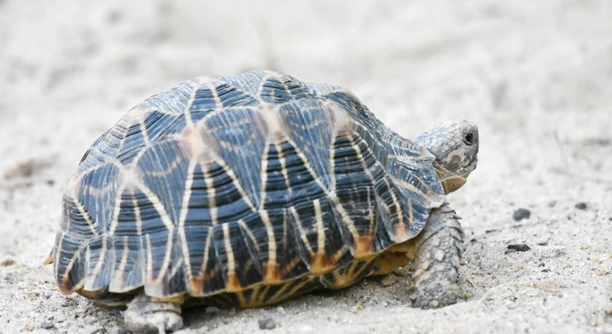
When setting up a habitat for your Indian Star Tortoise, choosing the right substrate is crucial for their comfort and health. A suitable substrate can replicate their natural environment, making them feel more at home.
The best substrate options for Indian Star Tortoises include a mix of materials like coconut coir, sand, and soil, offering a balance of moisture retention, drainage, and natural digging opportunities. These options ensure a safe and comfortable environment for your tortoise.
Different types of substrates offer unique benefits for your tortoise’s enclosure. Learn which one is best for your pet’s needs and how to set it up.
Coconut Coir: A Popular Choice for Tortoise Substrate
Coconut coir is one of the most commonly used substrates for Indian Star Tortoises. Made from the fibers of coconut husks, it’s lightweight, absorbent, and offers excellent moisture retention. This material helps maintain a proper humidity level in the enclosure, which is essential for your tortoise’s health. It’s also environmentally friendly, as it’s biodegradable and renewable.
Though coconut coir is an excellent option for moisture control, it’s important to ensure it’s not too wet. Excess moisture can lead to issues like mold growth or skin irritation. You can easily mix coir with other substrates for added benefits, like increased drainage or texture.
For Indian Star Tortoises, coconut coir is a good choice for creating a natural environment. It allows them to dig and burrow, encouraging natural behavior. It’s easy to clean, and with proper care, it can last for months without needing replacement. Mixing it with other materials can improve its overall effectiveness.
Sand: A Natural Element for Digging
Sand can be a beneficial substrate if used correctly.
It’s perfect for encouraging your tortoise to dig and burrow, which mimics their natural behavior in the wild. However, it’s important to select a fine, dust-free sand to avoid respiratory issues.
Soil Mix: A Balanced Substrate for Your Tortoise
A soil mix is another excellent option for Indian Star Tortoises, especially if you want to create a more natural environment. The soil provides good drainage and allows for burrowing, which is essential for tortoises. It’s recommended to mix soil with sand or coconut coir to prevent compaction and improve moisture retention.
Ensure the soil is free from pesticides or chemicals, as these can be harmful to your tortoise. A mixture of organic topsoil with some sand or coconut coir will create the right balance. You can also add some leaf litter for extra texture and enrichment.
While soil is generally safe, it’s essential to monitor moisture levels. Too much water can cause it to clump and become a breeding ground for bacteria. Also, make sure to replace it when it becomes dirty or too compacted. This combination of ingredients will keep your tortoise happy and healthy.
Reptile Carpet: A Low-Maintenance Option
Reptile carpet can be a simple, low-maintenance option for tortoise enclosures.
It’s reusable, easy to clean, and provides a stable surface for your tortoise to walk on. Unlike natural substrates, reptile carpet won’t get mixed up or create messes, making it ideal for a low-effort setup. The material is soft on their feet and easy to replace when needed. It’s not the best for burrowing but serves well for those looking for simplicity.
While reptile carpet is clean and safe, it’s important to ensure that your tortoise’s enclosure is still enriched with other elements, like rocks, hides, and climbing structures. This ensures your tortoise can still exhibit natural behaviors like exploring and resting. Keep the carpet clean to prevent bacteria buildup, and change it out when it becomes worn. It’s an easy, no-fuss option that many tortoise keepers appreciate.
Sphagnum Moss: Ideal for Humidity Control
Sphagnum moss is a great option if you’re looking to maintain consistent humidity levels in your tortoise’s enclosure. It’s absorbent and helps retain moisture, which can be beneficial in creating a balanced climate for your tortoise. It’s especially useful in drier environments.
However, you should use sphagnum moss in combination with other substrates. It’s not suitable as a sole option, as it can become too wet and compact. Using it with coconut coir or sand helps improve drainage and moisture distribution while keeping your tortoise comfortable. Replace it periodically to keep it clean.
Grass Turf: Natural Feel with Easy Maintenance
Grass turf mimics the look and feel of a natural outdoor environment.
It provides a soft surface for your tortoise to walk on while making cleanup simple. You can easily remove droppings and debris from it without needing to replace the whole substrate.
FAQ
What is the best substrate for an Indian Star Tortoise?
The best substrate depends on your tortoise’s needs, but a combination of coconut coir, sand, and soil is often ideal. Coconut coir is great for moisture retention and comfort, while sand provides a natural digging environment. A soil mix can encourage burrowing and improve humidity control. Keep the substrate dry but slightly humid for optimal health.
Can I use play sand for my tortoise’s enclosure?
Yes, you can use play sand, but it’s important to choose one that is clean and dust-free. Fine, non-calcium-based sand is the best choice. Play sand provides a great surface for digging, but it should be mixed with other materials like coconut coir or soil to prevent compaction and provide proper moisture retention.
How often should I change the substrate for my tortoise?
Substrate should be changed every few months, depending on the type used and how clean it stays. For organic materials like coconut coir and soil, you may need to replace them once they become dirty or compacted. If you’re using reptile carpet or grass turf, cleaning and spot cleaning is enough.
Is it okay to use just sand in my tortoise’s habitat?
While sand can be part of your tortoise’s substrate mix, it’s not advisable to use just sand. Sand doesn’t retain moisture well and can become too dry, which is not ideal for tortoises. It’s best used in combination with materials like coconut coir, soil, or moss to create a more balanced environment.
Can I use bark chips as a substrate?
Bark chips can be used in your tortoise’s habitat, but they should be mixed with other materials. They can help with drainage and provide texture, but they can also retain too much moisture if not properly managed. Always ensure the bark is pesticide-free and check it regularly for mold or bacterial growth.
How do I maintain proper humidity levels in my tortoise’s enclosure?
Maintaining proper humidity requires monitoring and adjusting the substrate, as well as the overall environment. Coconut coir and sphagnum moss are great for holding moisture. You can also use a humidifier or mist the enclosure occasionally to maintain the right level of humidity. Keep the area dry enough to prevent mold but moist enough for your tortoise’s comfort.
Can I use soil from my garden for my tortoise’s enclosure?
It’s not advisable to use soil directly from your garden due to potential exposure to pesticides, fertilizers, or harmful bacteria. If you decide to use garden soil, make sure to sterilize it first. It’s safer to purchase organic topsoil or create your own mixture to ensure it’s free from harmful chemicals.
Is sand safe for baby Indian Star Tortoises?
For baby tortoises, it’s best to avoid using sand as a primary substrate. Baby tortoises are more prone to ingesting substrate, which can lead to impaction. If you choose to use sand, make sure it’s mixed with other materials and monitor your baby tortoise closely to prevent any health issues.
What temperature should the substrate be for my tortoise?
The temperature of the substrate should align with your tortoise’s preferred environment. Indian Star Tortoises thrive in temperatures around 80-90°F (27-32°C). You can achieve this by using a heat mat or lamp, but always monitor the temperature to ensure it’s not too hot, which could cause stress or harm to your tortoise.
How do I spot clean the substrate?
Spot cleaning involves removing waste and debris from the substrate regularly. You can use a small scoop or shovel to remove feces and uneaten food. This should be done daily to maintain a clean environment for your tortoise. For deeper cleaning, you may need to replace the substrate periodically, depending on how dirty it becomes.
Final Thoughts
Choosing the right substrate for your Indian Star Tortoise is essential for their well-being. The substrate helps create a comfortable and healthy environment where your tortoise can thrive. Whether you prefer coconut coir, sand, soil, or other materials, each has its unique benefits. A good substrate mimics the tortoise’s natural habitat, encouraging behaviors like burrowing, digging, and foraging. It also helps with humidity and temperature control, which are important for your tortoise’s overall health.
When selecting a substrate, it’s important to consider the balance between moisture retention and drainage. Too much moisture can lead to problems like mold or bacteria, while too little moisture may make the environment too dry for your tortoise. A mix of materials like coconut coir and sand is often recommended for its balance of moisture retention and good drainage. It’s also crucial to monitor the humidity and temperature in your tortoise’s enclosure to ensure that it stays in the ideal range.
Lastly, regular maintenance is key to keeping your tortoise’s habitat clean and safe. Spot cleaning waste daily and replacing substrate when it becomes dirty or compacted will help prevent health issues. With the right combination of substrate materials and care, your tortoise can have a comfortable, enriching space to live in. Taking the time to choose and maintain the right substrate ensures your Indian Star Tortoise will thrive in its environment for years to come.

Hello,
If you enjoy the content that we create, please consider saying a "Thank You!" by leaving a tip.
Every little bit helps us continue crafting quality advice that supports the health, happiness, and well-being of pets around the world, for pets of all shapes, sizes, and species.
We really appreciate the kindness and support that you show us!