
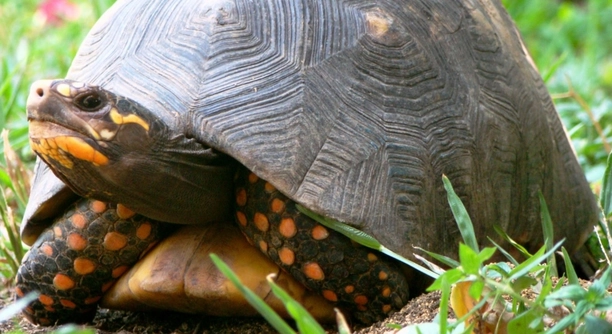
A Red-Footed Tortoise’s habitat needs the right elements for comfort and safety. The choice of wood for their enclosure plays a major role in their well-being and overall health. Understanding the best options will help ensure their comfort.
When selecting wood for a Red-Footed Tortoise enclosure, it is crucial to choose safe, non-toxic woods that won’t harm your pet. Some safe options include pine, oak, and maple. These woods are durable, easy to maintain, and provide a natural environment for your tortoise.
Choosing the right wood for your tortoise’s enclosure is essential for creating a safe and suitable habitat. Keep reading to find out which woods are ideal for your pet.
Why Wood Choice Matters for Your Tortoise
Choosing the right wood is essential for your Red-Footed Tortoise’s enclosure. The wrong wood can be harmful, leading to illness or injury. Tortoises often chew on the wood, so selecting a non-toxic, safe wood ensures their health. It also helps maintain a natural and comfortable environment, encouraging natural behaviors like climbing and hiding. Some woods are better than others, both for the tortoise and for the overall maintenance of the enclosure. The right wood choice also affects humidity levels, which is an important aspect of your tortoise’s habitat. When you choose the right kind, you are making the enclosure more inviting for your pet, allowing them to thrive.
While many types of wood can work in your tortoise’s home, safety should always come first. Pine, oak, and maple are some of the best options available. Avoid woods that may be toxic or overly resinous, as they can be dangerous.
Wood that is safe for your tortoise will create an environment where they feel comfortable, secure, and able to express their natural behaviors. With the right wood, your tortoise will be able to enjoy a safe and stimulating environment. Proper humidity and natural textures like bark and branches also promote physical activity. Consider these factors when designing your tortoise’s habitat.
Safe Woods for Your Tortoise
Not all woods are safe for your tortoise, and some can even be harmful. It’s crucial to select only non-toxic, durable types that won’t break down too quickly. Safe options like pine, oak, and maple are ideal choices for creating a healthy enclosure.
Choosing the right wood ensures your tortoise has a safe place to explore. This will keep them happy and healthy, reducing the chance of illness or injury.
Pine Wood
Pine wood is a popular option for tortoise enclosures due to its availability and affordability. However, not all pine is safe. Fresh pine can be harmful because of its high resin content, which could cause respiratory issues or irritation. Always use kiln-dried pine to avoid these risks.
Kiln-dried pine is much safer for your tortoise as it reduces the harmful resins present in the wood. It’s a softwood, which means it’s easy to manipulate for building hiding spots or climbing structures. Additionally, kiln-dried pine has a pleasant smell, which makes the enclosure more inviting. Make sure to check that it is free from any added chemicals or preservatives.
While kiln-dried pine can work, it’s still essential to monitor your tortoise’s behavior. Ensure that the wood is not breaking down or rotting, as that could lead to an unhealthy environment. Regularly check the enclosure and replace any deteriorating parts to maintain a safe habitat for your tortoise.
Oak Wood
Oak wood is another excellent option for tortoise enclosures. It’s hard and durable, meaning it lasts longer than softer woods like pine. Oak also offers a more natural look, which can enhance the overall environment for your tortoise. It is non-toxic and does not release harmful fumes.
Because oak is dense and sturdy, it can be great for building various structures within the enclosure, such as hides, ramps, and climbing platforms. Oak also provides a natural source of enrichment for tortoises that enjoy chewing on their environment. While oak does not break down easily, it’s still important to ensure it remains clean and dry. Moisture can cause the wood to become moldy, which can be dangerous.
Oak wood is also relatively resistant to pests and bacteria compared to softer woods, which is beneficial for keeping your tortoise’s habitat sanitary. By taking care of the oak and maintaining a dry environment, it can last for a long time without issues.
Maple Wood
Maple is another good choice for tortoise enclosures. It’s hard, durable, and resistant to wear. Unlike pine, it doesn’t have a strong resin that could harm your pet, making it a safer option. It’s also widely available and easy to work with.
Maple wood provides a smooth surface, which makes it a comfortable texture for tortoises to interact with. It is less likely to splinter compared to other woods, reducing the risk of injury. Since maple doesn’t absorb moisture as quickly as softer woods, it helps maintain a cleaner environment. However, it still requires regular checks.
Cedar Wood
Cedar wood should generally be avoided for tortoise enclosures. While it has a pleasant aroma, it contains oils that are toxic to reptiles. These oils can irritate their respiratory system and skin, causing harm over time. Cedar should be strictly avoided to keep your tortoise safe.
If cedar is already in your enclosure, remove it immediately and replace it with safer wood options like oak or maple. This ensures the health of your tortoise and prevents any potential harm from toxic fumes or oils. Avoid using cedar for bedding, structures, or decorations in the enclosure.
FAQ
Can I use treated wood for my tortoise enclosure?
Treated wood should be avoided for your tortoise’s enclosure. The chemicals used to treat wood, like preservatives and pesticides, can be harmful to your pet. These chemicals can leach into the environment, causing poisoning or irritation. Always choose untreated or naturally treated woods, like kiln-dried pine, to ensure the safety of your tortoise.
What are some signs that the wood in my tortoise enclosure is unsafe?
There are a few signs to watch for that indicate the wood in your tortoise’s enclosure may be unsafe. If the wood starts to break down, become moldy, or develop a strong chemical odor, it’s a clear sign that it’s no longer safe. Also, if your tortoise begins chewing on the wood more than usual or shows signs of irritation, like respiratory issues or skin rashes, it could mean that the wood is releasing harmful substances.
How often should I replace the wood in my tortoise’s enclosure?
The wood in your tortoise’s enclosure should be inspected regularly for signs of damage, mold, or wear. Depending on the type of wood used and how well it’s maintained, you may need to replace it every 6-12 months. If it begins to deteriorate faster due to humidity or your tortoise’s activity, replacement may be needed sooner.
Is it safe to use driftwood in a tortoise enclosure?
Driftwood can be used, but it needs to be carefully cleaned and disinfected before being placed in the enclosure. Sometimes, driftwood can contain salts, bacteria, or other harmful substances that could be harmful to your tortoise. It’s essential to scrub it thoroughly and let it dry out completely before adding it to the habitat.
What types of wood should I absolutely avoid?
There are several types of wood you should avoid using for a tortoise enclosure. Cedar, as mentioned earlier, contains oils that are toxic to reptiles. Other woods like walnut, cherry, and yew can also be harmful due to the toxins they release. Avoid using any wood that is resinous or that you suspect may be treated with chemicals.
Can I use wood chips or sawdust in the enclosure?
Wood chips or sawdust should be used with caution. If you choose to use them, ensure they are made from safe, non-toxic wood such as aspen. Avoid using pine or cedar shavings, as the oils in these woods can irritate your tortoise’s respiratory system. Additionally, wood chips can be hard to clean, so it’s important to replace them regularly to maintain a healthy environment.
Should I use wood with bark for my tortoise enclosure?
Wood with bark can be used, but it’s essential to make sure the bark is non-toxic and hasn’t been treated with any chemicals. Many tortoises enjoy chewing on bark, and it can provide enrichment. However, some types of bark can harbor pests or mold, so ensure it’s clean and safe before using it.
Can I use plywood for my tortoise enclosure?
Plywood is generally not the best choice for tortoise enclosures. While it can be strong and durable, it is often treated with chemicals that are harmful to reptiles. If you choose to use plywood, make sure it is untreated, and be aware that it can absorb moisture, which could lead to mold growth over time.
How can I ensure the wood is safe for my tortoise?
To ensure the wood is safe, first make sure it’s non-toxic. Avoid wood from trees like cherry, walnut, or cedar, and choose safer options like oak or maple. If you’re unsure, look for wood that’s labeled as safe for reptiles or ensure it is untreated. Always clean and inspect the wood thoroughly before using it in the enclosure.
What if my tortoise starts chewing on the wood?
Chewing on wood is a natural behavior for tortoises. If they chew on safe wood like oak, maple, or kiln-dried pine, it’s usually not a concern. However, if they start chewing on wood that may contain harmful chemicals or toxins, you should remove it immediately. Providing alternative chew toys, like safe branches or stones, can also help satisfy their chewing instincts.
Final Thoughts
Choosing the right wood for a red-footed tortoise enclosure is an important decision for the well-being of your pet. It’s essential to avoid any wood that might release harmful chemicals or toxins. Safe woods like oak, maple, and pine are commonly recommended for tortoise habitats. These types of wood are generally non-toxic and provide a solid foundation for your enclosure. Make sure to always verify that the wood is untreated, as treated wood may contain chemicals that can be harmful to your tortoise. Regularly checking for mold, wear, or deterioration in the wood will help keep your enclosure safe and comfortable for your tortoise.
It’s also important to consider the durability and comfort of the wood. Some types of wood are more resistant to moisture and wear than others, ensuring a longer lifespan in the enclosure. However, no matter how durable the wood is, it will still require regular cleaning and maintenance. By inspecting the wood for signs of wear or damage, you can catch any potential issues before they become a problem for your pet. Ensuring your tortoise has a safe and clean environment will help reduce health risks and improve its overall well-being.
Ultimately, the safety of your red-footed tortoise should always come first when selecting wood for its habitat. Choosing non-toxic, untreated woods and maintaining the enclosure properly will create a healthy living space for your tortoise. Regular checks and replacements as needed will ensure that the environment stays in optimal condition. By taking these precautions, you’ll be able to provide a comfortable and safe space for your pet to thrive.

Hello,
If you enjoy the content that we create, please consider saying a "Thank You!" by leaving a tip.
Every little bit helps us continue crafting quality advice that supports the health, happiness, and well-being of pets around the world, for pets of all shapes, sizes, and species.
We really appreciate the kindness and support that you show us!