
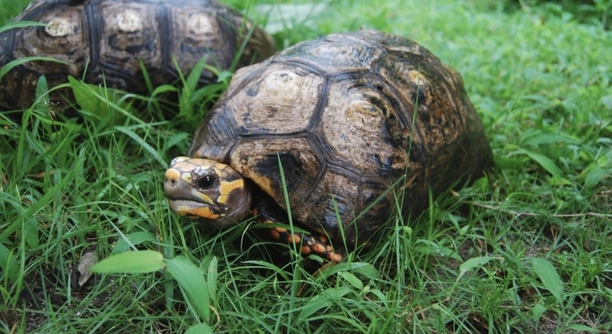
A healthy diet is essential for the overall well-being of your red-footed tortoise. Proper nutrition can help strengthen their shells and improve their health. Knowing which foods are best for them can make a noticeable difference.
The most effective foods for strengthening a red-footed tortoise’s shell include a variety of leafy greens, vegetables, fruits, and safe grasses. Providing a balanced diet rich in calcium and other essential nutrients is vital for their shell growth and health.
Feeding your red-footed tortoise the right foods is crucial for its shell health. From fresh greens to calcium-rich treats, a well-rounded diet makes a huge difference in their development. Let’s explore the best options for them.
Leafy Greens: The Foundation of a Strong Shell
Leafy greens should be the base of a red-footed tortoise’s diet. They are packed with essential nutrients that support shell strength. Greens like collard greens, dandelion leaves, and mustard greens are great choices. These foods provide calcium, which is crucial for strong shell development and overall health.
In addition to calcium, leafy greens offer other vitamins and minerals necessary for growth. Your tortoise can benefit from the high fiber content, which aids in digestion and keeps them active. It’s important to regularly rotate greens to provide a variety of nutrients.
Make sure to wash the greens thoroughly to remove any pesticides or chemicals that could harm your tortoise. You can serve them raw or slightly chopped to make eating easier. Offering these greens daily will help maintain your tortoise’s shell and general well-being.
Fruits: A Sweet Supplement
Fruits can add a delicious variety to your tortoise’s diet. They should be given in moderation to avoid too much sugar intake.
While fruits like papaya, mango, and strawberries are beneficial for hydration and vitamins, they should not replace the main greens in your tortoise’s meals. Always offer them as a treat or occasional addition to their diet.
Calcium-Rich Foods: Essential for Shell Development
Calcium is a key nutrient for maintaining a red-footed tortoise’s shell strength. Foods rich in calcium, such as calcium-fortified pellets, are an important addition to their diet. They ensure that your tortoise gets enough of this vital mineral to support its bone and shell health.
Calcium should be provided in the form of supplements or through foods like dark leafy greens and certain fruits. Be sure to sprinkle a calcium supplement on their food a couple of times a week, especially if you notice the tortoise’s shell appearing soft or weak.
Over time, consistent calcium intake will help strengthen the shell, preventing deformities or other shell-related issues. Calcium plays a crucial role in supporting the skeletal structure and maintaining good health overall. It’s a simple yet effective step to take to ensure your tortoise’s longevity.
Safe Grasses: A Natural Food Source
Grass can be a great food option for red-footed tortoises. They enjoy grazing on safe, pesticide-free grass, which provides fiber and other important nutrients.
You can offer your tortoise grasses like timothy hay or grass from a pesticide-free garden. These grasses support digestion, which keeps your tortoise active and healthy. Be sure to avoid any grass that may have been treated with chemicals, as these could be harmful.
Timothy hay is an especially good choice as it’s high in fiber and calcium. Grass also helps to simulate a more natural feeding environment for your tortoise, making it feel more at home.
Vegetables: A Key Ingredient for Strong Shells
Vegetables should be included in your tortoise’s daily diet. They provide essential vitamins and minerals that support shell strength. Vegetables like squash, bell peppers, and carrots are all good choices.
These vegetables are rich in antioxidants, beta-carotene, and other nutrients that help maintain overall health. They’re low in fat, making them an excellent addition to your tortoise’s diet. Offering a mix of vegetables will ensure they get the variety they need for proper growth.
Avoid feeding them starchy vegetables like potatoes too often, as they may disrupt digestion or cause weight gain. Stick to the more nutrient-dense options for the best results.
Flowers and Edible Weeds: A Special Treat
Many flowers and edible weeds are safe for red-footed tortoises. Dandelions, hibiscus, and clover are all excellent sources of vitamins and minerals.
Flowers provide an extra boost of antioxidants, which help fight free radicals and promote a healthy immune system. When offering these treats, be sure they are pesticide-free and clean to avoid harmful chemicals.
Flowers add variety to their meals and can help keep them interested in eating. They also give your tortoise a more natural diet, similar to what they would encounter in the wild.
FAQ
What are the best foods to feed a red-footed tortoise?
The best foods for red-footed tortoises include leafy greens like collard greens and mustard greens, fruits such as papaya and mango, vegetables like squash and bell peppers, and safe grasses or grasses like timothy hay. These foods help support their shell strength, digestion, and overall health. It’s important to offer a balanced variety to ensure they get all the essential nutrients.
Can I feed my red-footed tortoise fruit every day?
While fruits are healthy for your red-footed tortoise, they should not be fed daily. Too much fruit can lead to digestive issues or excess sugar intake. Fruits should be offered as an occasional treat, about two to three times a week. Stick to safe fruits such as strawberries, papaya, and mango.
How often should I give my tortoise calcium supplements?
Calcium supplements should be provided to your tortoise about two to three times a week. You can dust their food with a calcium powder to ensure they’re getting the right amount of this important mineral. Regular calcium intake helps maintain a strong shell and overall skeletal health.
Can I give my tortoise flowers from my garden?
Yes, you can feed your tortoise flowers from your garden, as long as they are pesticide-free and safe for consumption. Dandelions, hibiscus, and clover are all excellent options. Flowers offer beneficial antioxidants and can be a great way to add variety to your tortoise’s diet.
Is it safe to feed my tortoise lettuce?
Lettuce can be fed to your red-footed tortoise in moderation, but it should not be the main part of their diet. While romaine lettuce is acceptable, iceberg lettuce offers little nutritional value and may cause digestive issues due to its high water content. Opt for darker leafy greens for more nutrients.
What about feeding my tortoise beans or legumes?
Beans and legumes should generally be avoided in a red-footed tortoise’s diet. They can be difficult for them to digest and may cause gastrointestinal problems. Stick to leafy greens, vegetables, and fruits for a more balanced and safer diet.
Can I give my tortoise food that is high in protein?
Red-footed tortoises are primarily herbivores and do not require large amounts of protein in their diet. Too much protein can lead to shell deformities or kidney problems. Stick to plant-based foods and limit protein sources like insects or meat to rare occasions. Focus on a high-fiber, plant-based diet.
How do I know if my tortoise is getting enough nutrients?
A healthy red-footed tortoise should have a smooth, strong shell and be active with a normal appetite. If your tortoise’s shell appears soft, brittle, or deformed, it may indicate a calcium deficiency. A proper diet that includes a variety of leafy greens, fruits, and vegetables will generally provide the necessary nutrients.
Can my red-footed tortoise eat wild plants?
Yes, but only if you are certain the plants are safe. Many wild plants can be toxic to tortoises, so it’s essential to identify them before offering them. Stick to well-known, safe plants like dandelions, clover, and hibiscus. Avoid any plants that could have been sprayed with pesticides or chemicals.
Is it necessary to soak my tortoise’s food?
Soaking your red-footed tortoise’s food is not strictly necessary but can be beneficial, especially when feeding dry foods like hay or pellets. Soaking helps increase moisture content, which is especially important for tortoises in dry environments. It also supports hydration, which is vital for their overall health.
How much food should I feed my red-footed tortoise?
The amount of food to feed your red-footed tortoise depends on its size and age. Generally, an adult tortoise should be fed enough food to last them the entire day, with plenty of variety. Younger tortoises need more food to support their growth, so adjust accordingly. Always ensure there is a variety of greens, vegetables, and fruits available for them to graze on throughout the day.
Can I feed my tortoise processed food?
It is best to avoid processed foods for red-footed tortoises. These foods are often high in artificial additives, preservatives, and sugars, which are not suitable for tortoises. Stick to fresh, natural foods like leafy greens, vegetables, and fruits to ensure their diet remains healthy and balanced.
Final Thoughts
Feeding your red-footed tortoise the right foods is essential for its overall health and well-being. A balanced diet, rich in leafy greens, fruits, vegetables, and safe grasses, ensures that your tortoise receives the nutrients it needs to stay active and strong. Calcium-rich foods are particularly important for maintaining a strong shell and healthy bones, so be sure to provide them regularly. By offering a variety of foods, you can also prevent your tortoise from getting bored with its meals and keep it interested in eating.
It’s important to remember that red-footed tortoises are herbivores, so their diet should mainly consist of plant-based foods. While fruits are a tasty addition, they should be offered in moderation to avoid excess sugar. Stick to safe options like papaya, mango, and strawberries, and avoid giving them processed foods or those with pesticides. Always wash your food thoroughly to remove any chemicals that could harm your tortoise. Fresh and natural foods are the best option for providing the vitamins and minerals needed for healthy growth and shell development.
Keeping your red-footed tortoise’s diet balanced and varied can help prevent health issues in the long term. Whether it’s adding calcium supplements or offering fresh flowers, these simple steps will keep your tortoise strong and happy. Always monitor its eating habits and make adjustments to its diet if necessary. With the right foods and care, your red-footed tortoise will thrive and enjoy a long, healthy life.

Hello,
If you enjoy the content that we create, please consider saying a "Thank You!" by leaving a tip.
Every little bit helps us continue crafting quality advice that supports the health, happiness, and well-being of pets around the world, for pets of all shapes, sizes, and species.
We really appreciate the kindness and support that you show us!