
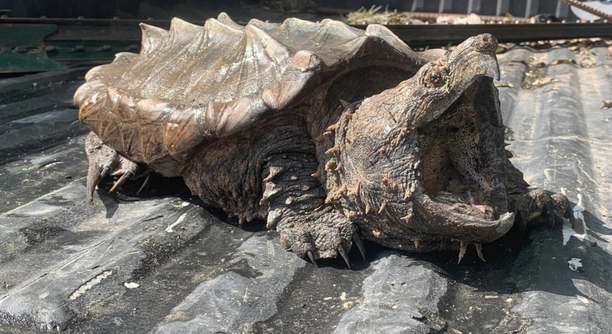
Alligator snapping turtles are fascinating creatures with specific dietary needs. Understanding the best sources of protein for them is essential for keeping them healthy and thriving in their habitat. Proper nutrition plays a key role in their growth and well-being.
The most beneficial protein sources for alligator snapping turtles include fish, amphibians, and invertebrates. These sources provide essential nutrients for their development, ensuring they maintain a strong immune system and overall health. Incorporating these proteins supports optimal growth and vitality.
Feeding these turtles the right protein-rich foods will help maintain their strength and health in captivity or the wild.
Fish as a Key Protein Source
Fish is one of the best protein sources for alligator snapping turtles. These turtles are opportunistic feeders and will naturally consume fish in the wild. High in protein and essential fatty acids, fish supports muscle development and overall health. Types like trout, catfish, and bass are excellent options. Their firm texture and nutritional content make them ideal for maintaining a healthy diet. Fish can be offered fresh or frozen to meet their needs. Be sure to provide a variety of species to ensure they get a broad range of nutrients. Fish is also rich in omega-3 fatty acids, which support joint health and brain function in these turtles.
Though fish should be a staple, it’s important to vary their diet to include other protein sources. Overreliance on fish alone might lead to imbalances. Some fish may contain high levels of thiaminase, which can degrade essential vitamins. Balancing the fish with other foods ensures better nutrition.
Offering fish alongside other protein-rich food sources ensures well-rounded nutrition for snapping turtles.
Amphibians and Invertebrates
Amphibians and invertebrates are also excellent protein sources for these turtles. Offering frogs, salamanders, snails, and worms mirrors their natural diet and provides essential vitamins and minerals.
Crustaceans as a Protein Source
Crustaceans like shrimp and crayfish are great protein sources for alligator snapping turtles. These creatures are rich in protein and provide essential minerals. Offering them whole, with shells intact, adds extra nutrients, particularly calcium, which supports shell health and overall structure. Regular inclusion of crustaceans can keep your turtle strong.
When feeding crustaceans, ensure they are fresh or properly thawed. This maintains the nutritional content. Additionally, removing any sharp parts or toxins is crucial to avoid potential health issues. Offering a variety of crustaceans will keep the diet balanced and nutritionally complete, mimicking their natural feeding habits.
Crustaceans can be a valuable addition to your turtle’s diet, providing essential nutrients that support growth and shell integrity.
Insects and Worms
Insects and worms are another important protein source. Mealworms, earthworms, and crickets are all easy to obtain and highly nutritious for alligator snapping turtles. These foods are full of protein, fats, and essential micronutrients.
Small Mammals
Small mammals like mice and rats are excellent protein sources for alligator snapping turtles. These animals provide high-quality protein and fat, supporting muscle growth and energy needs. Their natural presence in a snapping turtle’s diet makes them a familiar, nutritious option for feeding.
When offering small mammals, it’s best to use pre-killed prey to avoid injury. Ensure they are the appropriate size for your turtle to prevent choking. This will offer them the necessary nutrients while keeping their diet balanced and healthy.
Small mammals should be given occasionally as part of a varied diet.
Eggs
Eggs are another beneficial protein source for snapping turtles. Offering hard-boiled or raw eggs provides a rich dose of protein and essential fats. Eggs also supply vitamins and minerals needed for overall health.
FAQ
What is the best protein source for alligator snapping turtles?
The best protein sources for alligator snapping turtles include fish, amphibians, invertebrates, crustaceans, insects, and small mammals. Each provides a different balance of essential nutrients. Fish and amphibians are particularly high in protein, while crustaceans offer calcium for shell health. Varying their diet ensures balanced nutrition.
Can alligator snapping turtles eat chicken or beef?
While alligator snapping turtles can eat meat like chicken or beef in moderation, it should not be their primary protein source. These turtles thrive on proteins that mirror their natural diet, such as fish and amphibians. Chicken and beef lack the necessary nutrients found in more natural prey.
How often should I feed my alligator snapping turtle?
Feed your alligator snapping turtle every 2-3 days, depending on its size and age. Young turtles may need daily meals to support growth, while adults can eat less frequently. Monitor their weight and adjust feeding habits as needed to avoid overfeeding or malnutrition.
Can I feed my turtle live prey?
Live prey, such as fish, insects, or small mammals, can be offered, but it’s important to use pre-killed animals to avoid injury to your turtle. Live prey should only be used occasionally to keep feeding practices safe. Pre-killed prey ensures a balanced diet without risks.
Are there any foods I should avoid feeding my alligator snapping turtle?
Avoid feeding your alligator snapping turtle processed meats, high-fat foods, and fruits with high sugar content. Foods such as lettuce and processed foods lack the necessary nutrients for growth and health. Stick to natural protein sources and avoid feeding them toxic substances like avocado.
Can alligator snapping turtles eat vegetables?
While not a primary food source, alligator snapping turtles can eat some vegetables. Offer leafy greens, such as kale or collard greens, in small amounts. However, their diet should mainly consist of protein-rich foods like fish, amphibians, and invertebrates to ensure optimal nutrition.
How do I know if my turtle is getting enough protein?
Monitor your turtle’s behavior and overall health. If your turtle is active, growing at a steady rate, and has a healthy shell, it is likely getting enough protein. If your turtle appears lethargic or shows signs of malnutrition, adjust their diet by increasing protein intake or offering variety.
Is it safe to feed my turtle frozen food?
Frozen food can be safely offered as long as it is properly thawed before feeding. Frozen fish, shrimp, and other protein sources are often convenient and nutrient-rich. Ensure that the food is free from preservatives or additives that could harm your turtle.
What is the ideal size of prey for my turtle?
The ideal size of prey for your alligator snapping turtle is roughly the size of its head. Offering prey that is too large could lead to choking or difficulty in digestion, while prey that is too small may not provide sufficient nutrition. Proper-sized prey helps maintain a balanced diet and ensures feeding success.
Can alligator snapping turtles eat insects like crickets or mealworms?
Yes, alligator snapping turtles can eat insects like crickets and mealworms. These insects provide protein and essential fats. Offering these as part of a varied diet ensures your turtle gets a range of nutrients. However, insects should not make up the majority of their diet.
How can I make sure my turtle’s diet is balanced?
To ensure a balanced diet, feed your alligator snapping turtle a variety of protein sources, including fish, amphibians, crustaceans, and insects. Offer them occasionally alongside small mammals for added nutrients. Avoid excessive reliance on any single food type to prevent nutritional imbalances.
Should I supplement my turtle’s diet with vitamins or minerals?
Supplementing your turtle’s diet with vitamins or minerals is typically not necessary if it is already receiving a varied and balanced diet. However, calcium supplements can help support shell health if your turtle’s diet lacks sufficient calcium, especially if not feeding crustaceans regularly. Consult a vet for guidance.
What is the best way to feed my alligator snapping turtle?
Feed your alligator snapping turtle in a clean, separate space where it can comfortably consume its food. Make sure the food is cut into manageable pieces. Monitor their feeding time to ensure they eat the entire meal and adjust portion sizes based on their needs.
How can I tell if my alligator snapping turtle is healthy?
A healthy alligator snapping turtle will have a strong, intact shell and clear eyes. It will actively hunt for food and move around its environment. If your turtle is lethargic, has a soft or damaged shell, or is not eating, it may require a checkup to rule out health issues.
Final Thoughts
Alligator snapping turtles are powerful and fascinating creatures with specific dietary needs. Providing a balanced diet that closely mirrors their natural food sources is essential for their health and well-being. A diet rich in protein from fish, crustaceans, and small mammals is key to supporting their growth, shell health, and overall energy levels. Including a variety of food types ensures they get all the necessary nutrients, from protein and fats to vitamins and minerals.
Feeding your alligator snapping turtle should be a careful and considered process. Offering different types of protein, such as insects, fish, and amphibians, will keep them active and healthy. While their diet may seem simple, maintaining balance is important, so it’s wise to avoid overfeeding or offering foods that could lead to malnutrition. Occasionally supplementing their diet with calcium, particularly if you’re not offering crustaceans regularly, will further support their shell health. Being mindful of the size of the prey is also crucial to ensure proper digestion and safety.
Overall, alligator snapping turtles thrive on a diet that is as varied as their natural diet. Regularly assessing their health and adjusting their food intake will help maintain their vitality and longevity. A well-fed turtle is a happy turtle, and providing the right foods is a significant step toward ensuring a long, healthy life for your reptile companion.

Hello,
If you enjoy the content that we create, please consider saying a "Thank You!" by leaving a tip.
Every little bit helps us continue crafting quality advice that supports the health, happiness, and well-being of pets around the world, for pets of all shapes, sizes, and species.
We really appreciate the kindness and support that you show us!