
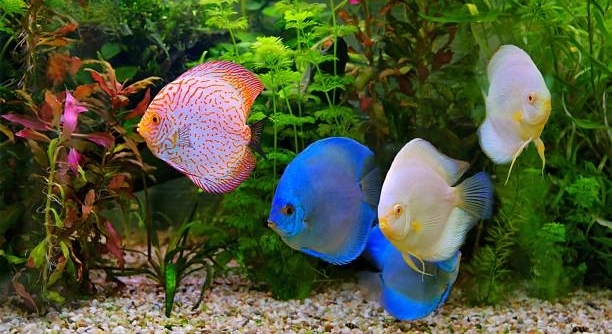
Raising discus fry requires attention and care to ensure healthy growth. These delicate fish need specific conditions to thrive during their early stages. Proper management can help reduce stress and improve survival rates for young discus.
Successful raising of discus fry depends on maintaining stable water quality, providing appropriate nutrition, and managing tank environment carefully. Consistent monitoring and timely interventions are essential to promote healthy development and prevent common diseases in fry.
Following these best practices will help you support your discus fry effectively and create a healthy environment for their growth. The guidelines offer practical steps for both beginners and experienced aquarists.
Stable Water Conditions Are Crucial
Maintaining stable water conditions is essential when raising discus fry. Sudden changes in temperature, pH, or water hardness can stress the young fish and slow their development. The ideal temperature range is between 82°F and 86°F, with a pH around 6.0 to 6.5. Frequent water changes are necessary to keep ammonia and nitrate levels low, but these should be done carefully to avoid shocking the fry. Using a sponge filter helps maintain water quality without creating strong currents that can disturb the fry. Consistency in water parameters reduces the risk of disease and promotes healthy growth. Testing water regularly with reliable kits allows you to monitor conditions closely. Ensuring proper filtration and avoiding overcrowding further supports a stable environment. All these steps help create a calm and safe habitat where discus fry can thrive.
Stable water reduces stress, supports growth, and lowers mortality rates in discus fry. Consistent care leads to better health outcomes.
Creating a stable water environment requires patience and careful observation. Avoid sudden changes in water parameters, and perform small, frequent water changes to maintain cleanliness without stressing the fry. Using natural driftwood or peat can help maintain slightly acidic conditions. Adjusting temperature gradually and monitoring for any signs of distress can prevent setbacks. Keeping the tank clean while minimizing disturbances balances the need for hygiene with fry comfort. Proper aeration without strong currents keeps oxygen levels adequate without stressing the fish. These combined efforts form the foundation for raising healthy discus fry and ensuring they develop into strong adult fish.
Proper Nutrition Supports Growth
Feeding discus fry requires careful selection of foods to ensure they receive all necessary nutrients. Initially, fry depend on their parents’ mucus for nutrition, but after a few days, they must be introduced to high-quality, protein-rich foods. Start with freshly hatched brine shrimp, which are easily digestible and contain essential nutrients. As fry grow, include finely crushed flakes or pellets designed for young fish. Offering a variety of foods helps meet their dietary needs and promotes healthy development. Avoid overfeeding, as leftover food can pollute the tank and harm water quality. Feeding small amounts multiple times a day ensures the fry receive enough energy without overwhelming the system.
Balanced nutrition aids in proper growth and prevents common health issues in discus fry.
It is important to transition fry gradually from live foods to prepared diets to prevent digestive problems. Providing foods rich in vitamins and minerals supports immune function and coloration development. Regularly cleaning uneaten food reduces the risk of water contamination. Monitoring fry feeding behavior helps identify if adjustments are needed in diet or feeding frequency. Maintaining this feeding routine helps discus fry reach their growth potential while maintaining water quality in their environment.
Tank Setup and Environment
The tank setup for discus fry should minimize stress and mimic their natural habitat. Use a bare-bottom tank or fine substrate to make cleaning easier. Keep plants and hiding spots for security, but avoid overcrowding the space.
A proper tank environment supports healthy growth and reduces mortality. Maintain a tank size of at least 20 gallons for a small group of fry. Use gentle filtration to avoid strong currents that could harm delicate fry. Soft, slightly acidic water conditions replicate their native Amazon environment. Keeping lighting low or providing shaded areas helps reduce stress and encourages natural behavior. Frequent monitoring of tank parameters ensures a stable environment.
Regular cleaning and water changes are essential in maintaining tank health. Avoid using harsh chemicals or strong water flow. Plants like Amazon sword or java fern offer natural shelter and help improve water quality. Providing a calm and secure space helps discus fry develop without unnecessary pressure, increasing their chances of survival and growth.
Disease Prevention and Treatment
Preventing disease in discus fry starts with maintaining excellent water quality and reducing stress factors. Quarantine new fish and equipment before adding them to the main tank. Early detection is vital for effective treatment.
Regular observation of fry behavior and appearance helps identify potential health issues early. Look for signs such as lethargy, faded colors, or abnormal swimming. Maintaining stable water parameters reduces the risk of common infections like fungal and bacterial diseases. Using appropriate medications, if necessary, should be done cautiously to avoid harming the fry. Avoid overcrowding and provide a clean environment to minimize disease outbreaks. Proper nutrition also supports the immune system, making fry more resilient.
When treatment is needed, use products designed for delicate fish and follow dosage instructions carefully. Remove infected individuals if possible to prevent spreading. Consistency in tank maintenance and feeding schedules strengthens the fry’s health and ability to resist illness, ensuring better growth and development.
Monitoring Growth and Development
Tracking the growth of discus fry is important to ensure they are developing properly. Regularly measure their size and observe behavior for signs of healthy progress. Early intervention can prevent growth problems.
Growth can be uneven, so separating slower fry may help them get enough food and reduce competition. Consistent feeding and stable water conditions support steady development.
Maintaining Cleanliness
Keeping the tank clean is essential to prevent disease and promote healthy growth. Remove uneaten food and waste daily to maintain water quality.
A clean environment reduces stress and helps fry thrive by minimizing harmful bacteria and toxins.
Proper Tank Lighting
Use moderate lighting to create a calm environment for discus fry. Bright or direct light can cause stress and hinder development.
Natural or low-intensity lighting mimics their habitat and supports normal behavior.
Social Behavior of Fry
Discus fry display social behaviors that impact their growth and survival. Group living provides security but can lead to competition.
Understanding their social needs helps manage tank dynamics and reduces stress.
FAQ
How often should I change the water when raising discus fry?
Water changes should be done frequently but carefully to avoid shocking the fry. Generally, changing 20-30% of the water twice a week is a good practice. If the tank is heavily stocked, more frequent water changes might be necessary to maintain water quality. Always use dechlorinated water and match the temperature and pH to the tank to avoid stressing the fry.
What is the best food to start feeding discus fry?
Newly hatched brine shrimp are the best first food for discus fry. They are small, nutritious, and easy to digest, providing essential proteins and fats for growth. After a week or so, you can gradually introduce finely crushed pellets or flakes made for fry. Variety in diet supports healthy development and immune strength.
Can I use a sponge filter for discus fry tanks?
Yes, sponge filters are ideal for discus fry tanks. They provide gentle filtration without creating strong currents that can disturb the fry. Sponge filters also promote beneficial bacteria growth, which helps keep water quality high. Make sure to clean the sponge gently during maintenance to preserve the bacteria.
How do I prevent diseases in discus fry?
Prevent disease by maintaining stable water parameters, performing regular water changes, and avoiding overcrowding. Quarantine any new fish or plants before introducing them to the tank. Keep the tank clean by removing uneaten food and waste daily. Feeding high-quality food and avoiding sudden changes in the environment also reduce disease risks.
Is it necessary to separate slower-growing fry?
Separating slower-growing fry can be beneficial. It reduces competition for food and space, allowing weaker fry to grow without stress. Place them in a separate tank with similar water conditions and feeding routines. This practice helps increase the survival rate of all fry by preventing bullying and ensuring adequate nutrition.
What temperature is best for discus fry?
Maintain the tank temperature between 82°F and 86°F (28°C to 30°C). This range encourages growth and digestion while preventing stress. Use a reliable aquarium heater with a thermostat to keep the temperature stable. Sudden temperature fluctuations should be avoided as they can weaken the fry’s immune system.
How can I tell if discus fry are healthy?
Healthy discus fry swim actively and have bright, consistent coloring. They should respond quickly to feeding and show normal swimming patterns. Signs of illness include lethargy, loss of color, clamped fins, or erratic swimming. Regular observation is important to catch problems early and take action.
When can discus fry be moved to a larger tank?
Discus fry can be moved once they reach about one inch in size and are strong enough to handle a new environment. Gradually acclimate them to the new tank by slowly adjusting the water parameters. A larger tank provides more space for growth and reduces the risk of overcrowding.
How often should discus fry be fed?
Feed discus fry small amounts multiple times per day, ideally three to five times. Frequent feedings provide the energy needed for rapid growth. Avoid overfeeding, which can degrade water quality. Monitor feeding closely to adjust the amount and frequency based on fry activity and appetite.
What tank size is recommended for raising discus fry?
A tank size of at least 20 gallons is recommended for a small group of discus fry. This size allows enough space for movement and reduces waste concentration. Larger tanks offer more stable water parameters and room for growth, making maintenance easier and improving survival rates.
Are plants necessary in a discus fry tank?
Plants are not strictly necessary but can be very helpful. They provide hiding spots that reduce stress and improve water quality by absorbing nitrates. Choose hardy plants that thrive in warm, slightly acidic water. Avoid dense planting that restricts swimming space.
Can I keep adult discus with fry?
Keeping adult discus with fry is generally not recommended. Adults may outcompete fry for food or show aggression. If kept together, ensure there is plenty of space and hiding spots, but it is safer to raise fry separately until they grow larger and stronger.
What should I do if the fry stop eating?
If fry stop eating, check water parameters immediately. Stress from poor water quality, temperature changes, or illness can reduce appetite. Observe for signs of disease and consider quarantining affected fry. Adjust feeding amounts and frequency to encourage eating, and ensure food is appropriate and fresh.
How important is pH control in raising discus fry?
pH control is very important. Discus fry thrive in slightly acidic water, with a pH between 6.0 and 6.5. Sudden changes or a pH outside this range can cause stress and increase susceptibility to disease. Regular testing and gradual adjustments help maintain ideal conditions.
Can I use tap water for discus fry tanks?
Tap water can be used if properly treated. Always use a water conditioner to remove chlorine, chloramines, and heavy metals. Testing the water for hardness and pH is essential to ensure it fits discus fry requirements. Some tap water may require adjustment to achieve the right parameters.
How do I handle tank maintenance without stressing the fry?
Perform small, frequent water changes instead of large ones to avoid shocking fry. Use gentle cleaning methods and avoid disturbing the substrate or decorations too much. Turn off strong filters during maintenance if needed and reintroduce them gradually. Keeping changes minimal reduces stress and supports fry health.
This FAQ covers many common concerns to help provide the best care for discus fry. Following these practical guidelines supports healthy growth and improves survival chances in the early, vulnerable stages.
Final Thoughts
Raising discus fry requires patience, attention, and consistency. Their early stages are delicate, and small changes in water quality, temperature, or feeding can have a significant impact on their health. Keeping the environment stable and clean is essential. Regular water changes and monitoring help prevent common problems such as poor growth and disease. Using proper filtration and gentle water flow supports the fry’s well-being without causing unnecessary stress.
Feeding discus fry the right food in appropriate amounts is crucial for their development. Newly hatched brine shrimp provide essential nutrients, and gradually introducing other foods helps build a balanced diet. Overfeeding should be avoided, as excess food can degrade water quality quickly. Monitoring how the fry respond to feeding allows for adjustments to support their growth. Separating slower-growing fry when necessary can also improve their chances of survival by reducing competition.
Overall, successful raising of discus fry depends on careful observation and timely adjustments. Maintaining stable water parameters, providing suitable food, and ensuring a clean environment create the conditions needed for healthy development. The process can be demanding but rewarding, as it supports the growth of strong, vibrant discus fish. Consistent care and attention help increase survival rates and lead to a thriving aquarium.

Hello,
If you enjoy the content that we create, please consider saying a "Thank You!" by leaving a tip.
Every little bit helps us continue crafting quality advice that supports the health, happiness, and well-being of pets around the world, for pets of all shapes, sizes, and species.
We really appreciate the kindness and support that you show us!