
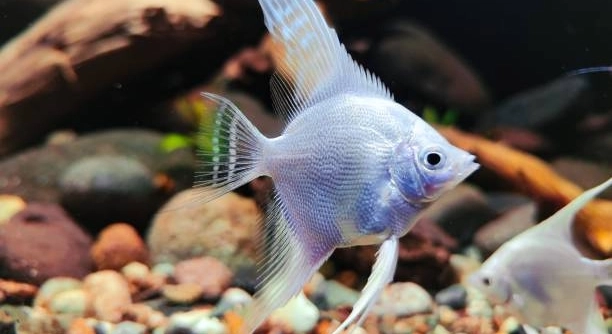
Are your angelfish not looking as lively as they used to, or is your tank harder to manage than expected lately?
Maintaining a healthy angelfish tank requires stable water conditions, proper filtration, regular cleaning, and a balanced diet. Paying attention to tank mates, temperature, and tank size also helps prevent stress, disease, and aggressive behavior.
With these best practices, you can build a cleaner, safer space that supports your angelfish’s overall health and longevity in the tank.
Keep the Water Clean and Stable
Angelfish are sensitive to changes in their environment, so clean and stable water conditions are essential. Test the water regularly for ammonia, nitrites, and nitrates. Keep pH levels between 6.5 and 7.5. Use a reliable filter and perform weekly water changes of about 25%. Avoid overfeeding, as leftover food can decay and lower water quality. Dechlorinate tap water before adding it to the tank. Make sure the tank is fully cycled before introducing angelfish. A cycled tank helps maintain a healthy balance of beneficial bacteria that break down waste and support a clean habitat.
Daily checks help catch early signs of trouble. Look for cloudiness, unusual odors, or sluggish behavior from your fish. These can indicate poor water quality or a sudden shift in conditions.
Consistency matters. If the water is kept clean and parameters remain steady, your angelfish will be less prone to stress and health problems.
Provide a Balanced Diet
A healthy diet keeps your angelfish active and supports long-term health. Feed a mix of high-quality flakes or pellets and supplement with frozen or live food.
A balanced diet should include protein-rich options like bloodworms or brine shrimp, which can be offered a few times a week. Variety helps meet nutritional needs and keeps your fish interested in feeding. Feed in small amounts two to three times a day, only what they can finish in a few minutes. Avoid overfeeding, as it not only harms their health but also pollutes the tank. Observe how they eat—loss of appetite can signal illness. Occasionally, include vegetables like blanched spinach to provide added nutrients. Make sure uneaten food is removed quickly to prevent buildup. A consistent and varied diet will lead to brighter colors, improved energy, and stronger immune function, making your angelfish more resilient in their environment.
Maintain the Right Tank Temperature
Keep the tank between 76°F and 82°F to support your angelfish’s health. Sudden temperature changes can cause stress or illness, so use a heater and thermometer to keep it steady throughout the day and night.
Stable warmth helps regulate your angelfish’s metabolism and immune system. If the water gets too cold, they may become sluggish or stop eating. Too hot, and they may breathe faster or show signs of stress. Place the heater near a filter to help distribute heat evenly. In larger tanks, consider using more than one heater to prevent cold spots. Avoid placing the tank near windows or heat sources, which can cause fluctuations. Check the temperature daily and adjust the heater if needed. During colder months, watch for drafts that could affect the tank. Keeping the temperature consistent plays a key role in keeping your angelfish comfortable and active throughout the year.
When the tank temperature stays within range, angelfish behave more normally and interact better. You’ll notice steady swimming, healthy appetites, and active movement across the tank. Temperature stress can weaken their immune system, making them more likely to develop issues like fin rot or ich. If you notice odd behavior, check the heater and thermometer first. Digital thermometers provide quicker readings and help you react faster. Be patient when adjusting the heater—change it slowly to avoid shocking your fish. Once the tank stabilizes, stick with regular checks, especially after water changes or equipment upgrades. This habit can prevent temperature-related issues and improve overall tank stability over time.
Avoid Overcrowding the Tank
Angelfish need space to swim and establish their territory. A crowded tank can lead to stress, aggression, and water problems. Aim for no more than one adult angelfish per 10 gallons of water for a balanced setup.
Overcrowding increases waste buildup and lowers oxygen levels. When there are too many fish, the filter works harder, and the water quality drops faster. This can lead to more frequent cleanings and a higher risk of disease. Angelfish are semi-aggressive and may chase others if the tank feels cramped. Giving them enough space reduces fighting and injury. Tall tanks are better than wide ones since angelfish like to swim vertically. Choose tank mates carefully, opting for peaceful species that won’t nip fins or cause tension. Adding too many fish at once can also disturb the balance—introduce new tank mates slowly and monitor how the angelfish react before expanding your setup further.
Add Suitable Tank Mates
Choose peaceful fish that won’t nip at your angelfish’s fins. Good tank mates include corydoras, platies, or certain types of tetras. Avoid aggressive or overly active species that may cause stress or compete during feeding time.
Keep an eye on behavior after adding new fish. If there’s any chasing, nipping, or signs of stress, it may be necessary to separate them. Monitor feeding to make sure all fish get enough food without fighting or crowding each other.
Decorate with Plants and Hiding Spaces
Live or artificial plants give angelfish places to explore and hide, which reduces stress. Tall plants mimic their natural habitat and make them feel secure. Add driftwood or caves to offer more shelter and create visual breaks in the tank. Spread decorations evenly to avoid crowded zones.
Use Proper Lighting
Soft lighting helps angelfish stay calm. Bright, harsh light can make them nervous or stressed. Use adjustable LED lights and give them a consistent day-night cycle to maintain balance and reduce tension in the tank.
FAQ
How often should I clean my angelfish tank?
Regular tank maintenance is crucial for a healthy environment. Perform partial water changes every week, replacing 25-30% of the water. Clean the filter media and gravel during water changes to prevent waste buildup. You may need to clean the glass or decorations as needed. If you notice algae buildup, consider adding algae-eating species to help with maintenance.
What size tank is best for angelfish?
A minimum of 20 gallons is recommended for a pair of angelfish. Larger tanks provide more space for swimming and better water quality. A bigger tank also allows for more stable temperature and pH levels, which helps reduce stress. If you plan to add tank mates, increase the tank size to accommodate them as well.
Do angelfish need a heater?
Yes, angelfish need a heater to maintain a stable water temperature between 76°F and 82°F. Since they are tropical fish, they thrive in warm water. A reliable heater ensures that the temperature remains consistent, which is essential for their health. A thermometer is also important for monitoring fluctuations in temperature.
Can angelfish live with other fish?
Angelfish can live with other peaceful fish, but compatibility is key. Avoid aggressive species or fish that are too small, as angelfish might view them as food. Fish like tetras, corydoras, and guppies tend to work well as tank mates. Make sure there’s enough space for all fish to avoid territorial behavior.
How do I know if my angelfish is stressed?
Signs of stress in angelfish include rapid swimming, hiding, loss of appetite, faded colors, or aggression. If the fish is showing these symptoms, check water parameters, temperature, and tank mates. Overcrowding, poor water quality, or sudden changes in the environment can all cause stress. Address the issue promptly to prevent further problems.
Why is my angelfish not eating?
Loss of appetite can be caused by stress, poor water quality, or illness. Check if the water parameters are within the ideal range and whether there are any signs of aggression from tank mates. If the fish continues to refuse food, it may be time to consult a vet or fish specialist.
What should I feed my angelfish?
Angelfish need a varied diet, including high-quality flakes or pellets and occasional live or frozen foods like bloodworms, brine shrimp, or daphnia. You can also feed them vegetable matter like blanched spinach or zucchini. Avoid overfeeding to prevent water contamination, and remove any uneaten food after a few minutes.
How do I breed angelfish?
To breed angelfish, start by providing a spacious tank with a flat surface, like a rock or slate, where they can lay eggs. Maintain clean water, stable temperature, and low light. Introduce a breeding pair, which will likely pair up on their own. The female will lay eggs, and the male will fertilize them. Keep an eye on the eggs and remove any unhatched or fungus-covered ones.
Can angelfish live with other angelfish?
Yes, angelfish can live together if given enough space. However, you may see some territorial behavior, especially when breeding. To reduce aggression, keep angelfish in larger tanks with plenty of hiding spots. When adding multiple angelfish, ensure the tank is large enough to support them all without overcrowding.
How do I prevent disease in my angelfish tank?
Prevent disease by maintaining proper water quality, avoiding overcrowding, and keeping the tank clean. Quarantine new fish before adding them to your main tank to prevent introducing illnesses. Keep the temperature stable and provide a balanced diet. Regular monitoring of tank conditions and fish behavior helps catch problems early.
Why are my angelfish’s fins frayed?
Frayed fins can be a sign of injury or fin rot, often caused by poor water quality or aggressive tank mates. Check the water parameters and address any issues with the filtration system. If the fins appear to be rotting, you may need to treat the fish with a medication designed for fin rot.
Final Thoughts
Maintaining a healthy angelfish tank requires attention to detail and consistent care. It is essential to ensure that water quality, temperature, and tank size are appropriate for the angelfish to thrive. Regular monitoring of water parameters, such as pH, ammonia, nitrites, and nitrates, helps prevent issues before they escalate. Keeping the tank clean and performing regular water changes reduces the risk of disease and promotes a stable environment for your fish.
Choosing the right tank mates for your angelfish is also important. Peaceful fish that do not compete for food or space are ideal. Be mindful of your fish’s behavior and monitor them closely, especially after introducing new tank mates. If aggression or stress occurs, it may be necessary to make adjustments to your setup. A well-balanced aquarium with adequate hiding spots and plants will help keep your angelfish calm and comfortable.
With patience and proper care, angelfish can live long, healthy lives in your aquarium. They are beautiful and fascinating creatures that add life to any tank. Keeping the right conditions, providing a varied diet, and staying proactive in maintaining the tank will ensure that your angelfish continue to flourish. By staying on top of their needs and making adjustments as necessary, you can enjoy your angelfish for many years to come.

Hello,
If you enjoy the content that we create, please consider saying a "Thank You!" by leaving a tip.
Every little bit helps us continue crafting quality advice that supports the health, happiness, and well-being of pets around the world, for pets of all shapes, sizes, and species.
We really appreciate the kindness and support that you show us!