
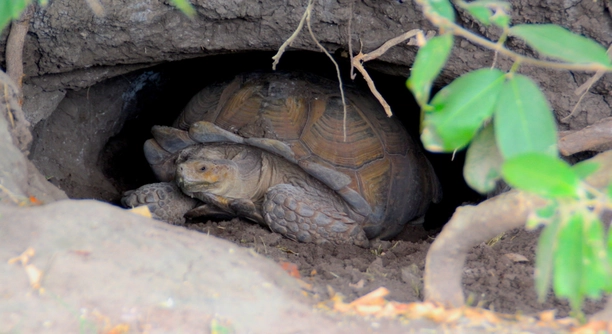
If you own a sulcata tortoise and live in a humid climate, you might wonder how to create the perfect environment for your pet. These tortoises, native to dry, hot regions, have specific needs that can be challenging to meet in wetter surroundings.
The best way to care for a sulcata tortoise in a humid climate is to manage humidity levels carefully. Maintaining a balance between dryness and moisture is crucial to prevent health issues like shell rot or respiratory problems. Proper housing, bedding, and ventilation are key factors.
There are simple steps you can take to keep your tortoise healthy and comfortable, even in a humid climate. We will guide you through the essential practices to ensure your tortoise thrives in its environment.
Creating the Right Habitat
To keep your sulcata tortoise healthy in a humid climate, it’s important to recreate the environment it thrives in. These tortoises are accustomed to dry, hot areas with minimal moisture, so balancing humidity is crucial. If their habitat is too damp, it can lead to respiratory issues, fungal infections, or shell rot. You’ll need to provide a dry space that is still safe and comfortable. Start with a spacious enclosure that allows your tortoise to move around freely, with room for warmth and shelter. A shallow water dish is enough for them to drink from without risking excessive humidity.
In addition to a dry space, make sure your tortoise has a cool, shaded area to retreat to. This helps them regulate their body temperature while avoiding excessive heat. Ensure that the enclosure offers a good balance of heat and humidity, so your pet doesn’t feel too uncomfortable in extreme conditions.
Using substrates like hay or grass can help manage moisture. These natural materials will keep your tortoise comfortable without promoting excessive moisture. Additionally, be sure to check humidity levels regularly and keep the enclosure well-ventilated. This will reduce the risk of health problems that can arise from too much moisture.
Temperature Control
Temperature is just as important as humidity. Your sulcata tortoise requires a warm environment to thrive, but it must not get too hot. To maintain the right temperature, you can use heat lamps or ceramic heat emitters. A temperature gradient is essential, meaning one side of the enclosure should be warmer, while the other side should be cooler. This allows the tortoise to move between different areas based on its needs. Keep the warm side of the enclosure at around 90°F, and the cooler side should be in the range of 75°F.
Maintaining these temperatures will prevent heat stress and allow your tortoise to regulate its body temperature naturally.
Proper Ventilation
Ventilation is essential for a sulcata tortoise’s enclosure. Without proper airflow, moisture can build up, causing health issues like respiratory infections. You should provide ventilation on both sides of the enclosure to allow for air circulation. Make sure any gaps or vents are small enough to prevent escapes but large enough to let fresh air flow through.
The best way to keep air circulating is to use mesh or wire screens for the top and sides of the enclosure. This helps moisture escape while preventing excessive humidity. It’s also a good idea to add a fan in the room, especially if you live in an area with constant moisture. The fan will help maintain air movement, ensuring the tortoise’s space remains fresh and comfortable.
If you notice any signs of mold or mildew developing in the enclosure, increase ventilation and check humidity levels. This will keep the environment safe and help prevent potential health problems for your tortoise.
Substrate Choices
Choosing the right substrate for your sulcata tortoise is a key part of maintaining a healthy habitat. Avoid using materials that retain too much moisture, as they can increase the humidity in the enclosure. Sand, soil, or a combination of both works best, providing a dry, solid surface for the tortoise to walk on.
When selecting soil, make sure it’s natural and free from chemicals or pesticides. Coarse sand is another good option, as it doesn’t absorb moisture, keeping the environment drier. You can also use a mix of both for added texture and comfort. Keep the substrate layer at least two to three inches thick to help regulate humidity and give the tortoise a space to dig, which is a natural behavior.
If you’re concerned about the humidity level, change the substrate regularly to avoid mold or bacterial growth. The right substrate can help maintain a healthy and stable environment for your tortoise.
Humidity Control
Managing humidity is critical in a humid climate. Too much moisture can cause health problems, while too little can dry out your tortoise’s skin and respiratory system. Use a hygrometer to keep track of the humidity levels, aiming for around 40-50%.
One way to maintain balanced humidity is to use a water dish large enough for your tortoise to drink from but shallow enough to avoid pooling water. Avoid spraying the enclosure with water, as it can lead to excessive moisture. Keeping humidity under control will keep your tortoise healthy and comfortable.
Lighting
Proper lighting is vital for your sulcata tortoise’s health. UVB light helps in the production of vitamin D3, which is crucial for calcium absorption and overall well-being. You should provide a UVB lamp, ensuring your tortoise gets 10-12 hours of light each day.
Make sure to place the UVB light at the correct distance to prevent overexposure. Keeping the light too close can cause burns, while placing it too far can reduce its effectiveness. Regularly replace the bulbs as UVB output decreases over time, even if the light still works.
Regular Health Checks
Health checks are essential for your sulcata tortoise. Keep an eye on their shell, eyes, and overall behavior. If you notice signs of illness, such as labored breathing or abnormal shell growth, it’s best to consult a vet. Regular observation can prevent minor issues from becoming major concerns.
FAQ
How can I keep my sulcata tortoise’s environment from getting too humid?
To prevent the enclosure from becoming too humid, ensure proper ventilation. Use mesh screens for the sides and top, and consider adding a fan to keep the air circulating. Avoid using too much water in the enclosure, and monitor humidity levels with a hygrometer. If humidity is consistently high, adjust your enclosure setup by adding more ventilation and reducing moisture sources.
What temperature should I keep my sulcata tortoise’s habitat?
Sulcata tortoises need a temperature range of 75-90°F. The warm side of their enclosure should be around 90°F, while the cool side should be closer to 75°F. This allows them to regulate their body temperature by moving between the warm and cool areas. A heat lamp can help maintain these temperatures, but avoid making the environment too hot, as they can suffer from heat stress.
Is it safe to let my sulcata tortoise roam outside in a humid climate?
While sulcata tortoises can enjoy time outdoors, it’s important to consider the humidity levels. In humid climates, it’s best to keep your tortoise in a controlled environment, especially if you notice signs of illness or stress from the moisture. If you choose to let them roam outside, make sure they have access to a dry, shaded area and monitor them closely for any signs of discomfort.
What should I do if my sulcata tortoise shows signs of shell rot?
If your tortoise shows signs of shell rot, such as soft or discolored spots on the shell, it’s important to act quickly. Start by adjusting the humidity levels in the enclosure and improve ventilation. You should clean the affected area with mild soap and water, and then consult a vet to get the proper treatment. In severe cases, your vet may suggest topical antibiotics or other treatments to help prevent further damage.
Can I use moss or other damp materials in my sulcata tortoise’s enclosure?
Moss and other damp materials are not ideal for sulcata tortoises in a humid climate. They retain moisture and can increase the overall humidity in the enclosure. Instead, use substrates like hay, grass, or a mixture of sand and soil, which help keep the environment dry. This will prevent moisture buildup that can lead to health issues like shell rot or respiratory infections.
How do I prevent my sulcata tortoise from becoming dehydrated?
To prevent dehydration, always provide a shallow water dish in the enclosure. Make sure your tortoise has access to fresh water at all times. Additionally, you can offer water-rich foods like leafy greens to help keep your tortoise hydrated. Monitor their behavior—if they appear lethargic or are not eating, dehydration could be an issue, and you may need to seek veterinary help.
What’s the best way to handle my sulcata tortoise in a humid climate?
Handling should be done with care to avoid stressing your tortoise. When you pick up your sulcata, support its entire body, especially the legs and shell. Avoid excessive handling in humid conditions, as it can lead to overheating or moisture buildup on their skin. Always wash your hands after handling to prevent transferring harmful bacteria into their enclosure.
How often should I clean my sulcata tortoise’s enclosure?
Cleaning should be done regularly to keep the habitat healthy. Remove any leftover food or waste daily to prevent bacteria buildup. Clean the entire enclosure at least once a week, replacing the substrate and disinfecting surfaces. Be sure to check for any signs of mold or mildew, especially in a humid environment, and address it immediately.
Can I use a regular light bulb for my sulcata tortoise’s UVB light?
No, regular light bulbs do not provide UVB light. You need to use a specific UVB bulb designed for reptiles to ensure your sulcata tortoise gets the necessary UV radiation. UVB is essential for the production of vitamin D3, which helps your tortoise absorb calcium and maintain a healthy shell and bones. Replace the UVB bulb regularly as its effectiveness decreases over time.
How can I tell if my sulcata tortoise is too cold?
If your tortoise is too cold, it may become sluggish or stop eating. You might also notice it spending more time in its warm area, trying to regulate its body temperature. If the tortoise feels cold to the touch or has a slow response time, it may not be getting enough warmth. Adjust the heat in the enclosure to ensure it stays within the ideal range of 75-90°F.
Can I use an outdoor pond for my sulcata tortoise in a humid climate?
Outdoor ponds can be tricky for sulcata tortoises, especially in a humid climate. If the pond area isn’t properly ventilated, the humidity could increase to unhealthy levels. If you want to provide access to water, a shallow dish is sufficient. Make sure the water is clean, and the tortoise can drink from it without risk of drowning or becoming too wet.
What do I do if my sulcata tortoise refuses to eat?
If your tortoise stops eating, first check the temperature and humidity levels in the enclosure. Improper conditions can cause them to lose their appetite. Also, ensure you’re offering a variety of fresh foods, as sulcata tortoises are herbivores and enjoy a diet rich in fiber. If the problem persists, consult a veterinarian to rule out health issues.
Final Thoughts
Taking care of a sulcata tortoise in a humid climate requires careful attention to their environment. These tortoises are naturally from dry, hot regions, and they can struggle to adapt to moist surroundings. The key is to maintain a balance—too much moisture can lead to serious health issues like respiratory infections and shell rot, while too little can cause dehydration. By adjusting the humidity and temperature in their habitat, you can help them thrive even in a more humid climate. Make sure to provide a comfortable, dry area with proper ventilation to prevent excess moisture buildup.
Proper substrate is another important factor in maintaining a healthy habitat. Choose materials that do not absorb too much water, like hay, grass, or a mix of sand and soil. These materials help create a dry environment and allow your tortoise to engage in natural behaviors, such as digging. Regular cleaning is also essential to keep the enclosure free of bacteria or mold that could develop in a humid setting. Remember, a healthy and well-maintained space can prevent many common health problems, ensuring your tortoise remains comfortable and active.
Finally, it’s important to regularly monitor your tortoise’s health. Keep an eye on their behavior, shell condition, and appetite. If something seems off, it’s always a good idea to consult a vet to catch any issues early. Ensuring proper lighting and providing a suitable temperature range will also support their overall well-being. Sulcata tortoises can live long and healthy lives with the right care, so take the time to set up their habitat properly and make adjustments as needed to keep them happy in a humid environment.

Hello,
If you enjoy the content that we create, please consider saying a "Thank You!" by leaving a tip.
Every little bit helps us continue crafting quality advice that supports the health, happiness, and well-being of pets around the world, for pets of all shapes, sizes, and species.
We really appreciate the kindness and support that you show us!