
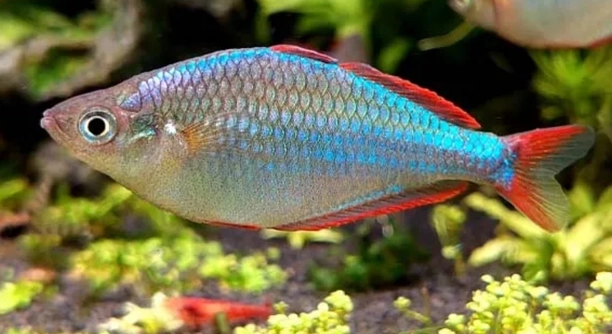
Feeding rainbow fish fry can seem challenging, especially when you want to ensure they grow healthy and strong. Knowing the right foods and feeding techniques is essential for their development.
The best practices for feeding rainbow fish fry include offering high-quality, nutritious foods like infusoria, baby brine shrimp, and finely crushed flake foods. Maintaining clean water and proper feeding schedules are also vital for their health and growth.
These simple steps will help your fry thrive and grow into vibrant, colorful adults. Knowing the right foods and techniques can make all the difference in raising happy and healthy rainbow fish.
Choosing the Right Food for Rainbow Fish Fry
When it comes to feeding rainbow fish fry, the first step is selecting the right food. Their tiny size means they need food that’s small enough for them to consume. Start with infusoria, a tiny organism found in aquatic environments. It’s perfect for fry, as it provides essential nutrients during the early stages of development. As they grow, you can transition to other foods like baby brine shrimp, which are rich in protein and help with muscle development. Finely crushed flake foods also work well but should be offered in moderation. These foods mimic what rainbow fish would eat in the wild, giving them the nutrition they need to grow strong and healthy.
Quality matters when feeding fry. It’s important to ensure the food you provide is fresh and free from harmful additives. Rotting food can quickly pollute the water, leading to health issues for the fry. To avoid this, always remove any uneaten food promptly.
Overfeeding can lead to water quality problems, so it’s important to keep track of the amount of food you offer. Rainbow fish fry are small, but they eat often. It’s a good idea to feed them small amounts multiple times a day. As they grow, you can increase the amount of food, but always make sure to avoid waste.
Maintaining Proper Feeding Schedules
Rainbow fish fry thrive with regular feeding schedules. Consistency is key to their growth. Feed them several times a day, ensuring they receive enough nutrients to keep up with their fast-growing needs. Early on, feed them small portions, as they are not capable of consuming large amounts at once.
A proper feeding schedule should be established early to promote healthy development. Gradually increase their food intake as they grow, but be mindful not to overfeed. Overfeeding can cause water quality issues, which can lead to diseases in the fry.
Having a set routine helps ensure the fry are getting the right amount of food at the right time. Once they are able to eat larger foods, you can reduce the frequency of feedings. However, always stay on top of their health to ensure they are eating enough without compromising water quality.
Monitoring Water Quality
Maintaining clean water is crucial for the health of your rainbow fish fry. The water should be free from harmful toxins, and the temperature must be kept stable. Regular water changes help prevent the buildup of waste, which can affect the fry’s growth.
Test the water regularly for ammonia, nitrites, and nitrates. These can quickly build up in a tank with young fry, causing stress or illness. A good filtration system can help keep the water clear, but don’t rely solely on it. Performing frequent partial water changes ensures that the fry are swimming in clean, safe water. Keep an eye on the temperature, as it directly affects their metabolism and overall health.
Over time, you may notice that the fry are producing more waste, so be prepared to adjust your water change routine. Keeping the water pristine is vital for preventing disease and ensuring your fry grow strong and vibrant.
Avoiding Overcrowding
Overcrowding can lead to stress and stunted growth for rainbow fish fry. It’s important to make sure there is enough space for each fry to swim freely. If the tank is too crowded, the fry may not get enough food or oxygen, which can lead to health problems.
It’s tempting to add as many fry as possible to a tank, but overcrowding can be detrimental to their development. Ensure your tank is large enough to accommodate their growth, and make adjustments as necessary. A general guideline is to have at least 1 gallon of water for every inch of fish, but consider providing even more space. Fry need room to grow and explore, which helps them develop naturally.
Keeping the fry in smaller, well-maintained groups can also help reduce stress and prevent competition for resources. A peaceful environment will ensure they thrive and grow into healthy adults.
Providing Proper Lighting
Rainbow fish fry need a consistent light cycle to thrive. Provide them with around 12 hours of light each day, followed by 12 hours of darkness. This helps regulate their circadian rhythm and supports their overall health. Avoid exposing them to harsh light, as it can stress them out.
Use soft, gentle lighting for the tank. Too much brightness can cause stress, while too little can interfere with their growth. A light that simulates natural conditions will help maintain a calm and healthy environment for your fry. Be mindful of the light’s intensity and avoid sudden changes.
Using the Right Tank Decorations
Decorations in the tank provide hiding spots for fry, offering a sense of security. Use soft plants or gentle rocks to create a calm environment. Avoid sharp objects, as they can harm the delicate fry. Proper tank decorations also make fry feel more comfortable.
The tank should have enough cover to mimic the natural habitat of rainbow fish. This encourages natural behavior and reduces stress. Plants can also help maintain water quality by absorbing excess nutrients. A well-decorated tank offers both functional and aesthetic benefits for your growing fry.
FAQ
What size tank is best for rainbow fish fry?
A tank of at least 10 gallons is ideal for rainbow fish fry. While fry are small, they grow quickly and will need space to develop. A larger tank ensures the water quality remains stable, which is crucial for their health. Smaller tanks can lead to rapid build-up of waste, making it harder to maintain good water conditions. Plus, having more space reduces the risk of overcrowding, allowing fry to grow and swim freely. If you’re planning to raise many fry, consider even larger tanks to accommodate their needs.
How often should I feed rainbow fish fry?
Rainbow fish fry need to be fed several times a day. In the early stages, feed them small portions of food 3-4 times daily. As they grow, you can reduce the frequency slightly. Be sure to remove any uneaten food promptly to avoid contamination in the tank. Overfeeding can lead to poor water quality, which can harm the fry. It’s important to find a balance between providing enough food for their growth and maintaining a clean tank. Keep an eye on how much they consume and adjust feeding times as needed.
What should I feed rainbow fish fry?
Rainbow fish fry require foods that are small enough for them to eat easily. In the beginning, infusoria (microscopic organisms) works well for their tiny mouths. You can culture infusoria at home or purchase it. As they grow, you can introduce baby brine shrimp or powdered flake foods. These are high in protein and essential for their development. Always choose high-quality food to ensure the fry are getting the nutrients they need for healthy growth. Avoid overfeeding, as leftover food can pollute the water and affect the fry’s health.
How can I maintain proper water quality for rainbow fish fry?
Maintaining proper water quality is crucial for the health of rainbow fish fry. Perform regular partial water changes, around 25-30% every week, to ensure the water stays clean. Use a gentle filtration system to prevent the fry from being sucked into the filter. Test the water frequently for ammonia, nitrites, and nitrates. Ammonia and nitrites should be kept at 0 ppm, while nitrates should be below 20 ppm. Keeping the water temperature stable between 75°F and 80°F (24°C and 27°C) also supports their metabolism and overall well-being.
How do I prevent diseases in rainbow fish fry?
The best way to prevent diseases in rainbow fish fry is to maintain good water quality and avoid overcrowding. Stress is a major factor that can lead to illness. By keeping the environment stable and providing the right conditions, you’re reducing the risk of infections. If you notice any signs of illness, like faded colors or abnormal swimming, isolate the affected fry immediately to prevent spreading. It’s also a good idea to quarantine any new fish or plants you add to the tank, as they may carry diseases that could infect your fry.
When should I move rainbow fish fry to a larger tank?
As rainbow fish fry grow, they will eventually outgrow their initial tank. When they reach about 1 inch in length, it’s time to move them to a larger tank. At this stage, they need more space to swim and develop properly. This is also a good time to introduce them to other tank mates, but make sure the new tank has enough hiding spots to reduce stress. Make sure the new tank is well-established, with stable water parameters, before transferring the fry. This transition helps prevent overcrowding and ensures they continue growing healthily.
What temperature should I keep the water for rainbow fish fry?
Rainbow fish fry thrive in water that is between 75°F and 80°F (24°C to 27°C). The temperature should be stable, as fluctuations can cause stress and make the fry more susceptible to disease. Use an aquarium heater with a thermometer to monitor the water temperature and keep it within the optimal range. If the water temperature is too low, the fry may not grow properly. If it’s too high, it can cause oxygen depletion and stress. Keep a close eye on the temperature, especially when making water changes, to prevent sudden changes that can harm the fry.
Can I keep rainbow fish fry with other species?
Rainbow fish fry can generally be kept with other peaceful species that won’t harass them. However, it’s important to wait until they are a little larger before introducing them to tank mates. Smaller fry are vulnerable and might be eaten by more aggressive or larger fish. Be sure to choose tank mates that are similar in size and temperament to the fry. Some species, like small tetras or peaceful shrimp, can make good companions for rainbow fish fry. Always monitor the behavior closely to ensure the fry are not being stressed or harmed.
How do I know if my rainbow fish fry are healthy?
Healthy rainbow fish fry will be active and show vibrant colors. They should swim freely and explore their environment. If you notice that the fry are lethargic, have faded colors, or are swimming erratically, it may indicate a problem with water quality, food, or health. Healthy fry should also be eating regularly and growing at a steady rate. Keep track of their growth and development to make sure they’re progressing as expected. If you see any signs of illness, act quickly to isolate affected fry and check water conditions to address the issue.
How can I encourage rainbow fish fry to grow faster?
To encourage faster growth in rainbow fish fry, focus on providing a nutritious, varied diet. Feed them high-quality foods such as baby brine shrimp, infusoria, and finely crushed flake foods. These provide the necessary proteins and vitamins needed for healthy growth. Additionally, ensure that the water quality is excellent by performing regular water changes and monitoring temperature and pH levels. Fry grow best in a stress-free environment, so avoid overcrowding and provide hiding spots to make them feel secure. Consistent care, along with proper feeding and water conditions, will support their growth.
Final Thoughts
Raising rainbow fish fry can be a rewarding experience, but it requires attention to detail and consistent care. By providing the right food, maintaining a clean tank, and offering a stable environment, you can help ensure your fry grow healthy and strong. Feeding them multiple times a day with appropriate food like infusoria, baby brine shrimp, and finely crushed flakes is crucial for their development. As they grow, adjusting their diet to include more protein-rich foods will support their continued growth into vibrant adult fish.
Water quality is another key factor in raising rainbow fish fry. Regular water changes, a good filtration system, and monitoring water parameters like ammonia, nitrites, and nitrates are essential. Fry are particularly sensitive to poor water conditions, so keeping the tank clean and maintaining a stable temperature will prevent stress and health issues. Overcrowding is something to watch out for, as it can lead to competition for food and space, causing unnecessary stress. Providing enough room for each fry to swim freely will help them thrive.
Lastly, patience is important. Fish fry grow at their own pace, and it may take some time before you see them reaching their full size and colors. During this time, continue to monitor their health and make adjustments as needed. Regularly check for signs of illness, and be sure to isolate any sick fry immediately to prevent spreading disease. With proper care, your rainbow fish fry will develop into healthy, colorful fish that will bring beauty to your aquarium.

Hello,
If you enjoy the content that we create, please consider saying a "Thank You!" by leaving a tip.
Every little bit helps us continue crafting quality advice that supports the health, happiness, and well-being of pets around the world, for pets of all shapes, sizes, and species.
We really appreciate the kindness and support that you show us!