
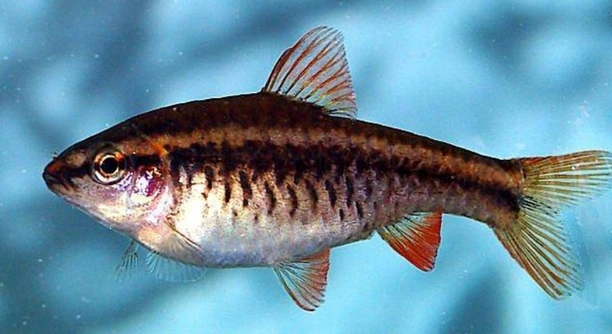
Feeding cherry barb fry requires careful attention to their nutritional needs and environment. These tiny fish grow quickly, and providing the right care is essential to their development. Ensuring they thrive will help maintain a healthy aquarium.
The best practices for feeding cherry barb fry include providing finely crushed high-quality fry food, maintaining water quality, and offering frequent feedings. Gradually introduce live foods as they grow to encourage natural development. Proper care and feeding lead to healthy, thriving fry.
Understanding these practices ensures your cherry barb fry receive the proper care, allowing them to grow strong and healthy in your aquarium.
The Importance of Water Quality for Fry Health
Maintaining excellent water quality is vital for the health of cherry barb fry. The fry are highly sensitive to changes in water parameters, such as temperature, pH, and ammonia levels. Poor water quality can lead to stunted growth, diseases, and even death. Regular water changes are essential to keep ammonia and nitrite levels in check. Additionally, maintaining a consistent temperature between 75°F and 80°F ensures that the fry remain comfortable and healthy. Adding a gentle filter will help circulate the water, but make sure it’s not too strong to avoid stressing the fry.
When setting up an aquarium for fry, remember to use a sponge filter or a similar filtration system. This helps keep the water clean while providing enough oxygen without disturbing the delicate fry. Monitoring water quality at least twice a week will give you a clear idea of when to make necessary adjustments. Clean water promotes healthy development and supports the fry’s immune system.
Maintaining good water quality is non-negotiable for the survival and growth of your cherry barb fry. Keeping water clean prevents common health issues and ensures your fry grow into vibrant adults.
Proper Feeding Techniques
Feeding cherry barb fry properly is essential for their growth. Start by offering specially formulated fry food that’s easy for their small mouths to consume. Initially, you can feed them powdered or finely crushed fish flakes. This gives them the nutrients they need for early growth stages. As they grow, gradually introduce live foods like brine shrimp or infusoria to improve their diet and mimic their natural food sources.
It’s important to feed the fry small amounts several times a day. Overfeeding can lead to water quality issues, and uneaten food can pollute the water quickly. Always remove any excess food to prevent the buildup of waste. Watch your fry closely to ensure they are eating well and growing steadily.
Offering a variety of food types helps your cherry barb fry develop properly. The goal is to provide a balanced diet to support their growth without compromising the water quality. Proper feeding habits contribute to strong, healthy fry.
Using Live Foods to Enhance Growth
Live foods play an important role in enhancing the growth of cherry barb fry. They offer essential nutrients and encourage natural hunting behavior. Adding live foods like brine shrimp, daphnia, or microworms to their diet helps speed up their development and gives them more energy.
Brine shrimp is an excellent option for feeding fry. It provides protein and other nutrients needed for growth. You can either hatch your own brine shrimp or buy them pre-hatched. Daphnia, also known as water fleas, offers a great source of roughage, supporting healthy digestion. It’s important to feed live foods in small amounts to prevent waste buildup, which could harm the water quality.
As the fry grow, their appetite for live foods increases. Rotating different live food types ensures a balanced diet and supports strong development. Live foods help ensure that fry thrive and grow at a healthy rate, ready to transition to adult foods later.
Proper Tank Setup for Fry
Setting up a proper tank is crucial to the health of cherry barb fry. A dedicated fry tank should be used to avoid adult fish from competing for food or stressing out the fry. Ensure the tank is clean, well-filtered, and has a soft substrate to help keep the environment safe.
Install a sponge filter to keep the water clean while maintaining gentle water flow. Cherry barb fry are tiny, and a strong current could easily overwhelm them. Provide plenty of hiding spots using plants or small decorations. These will give the fry a sense of security, reducing stress and promoting healthy growth. Make sure the tank has a lid or cover to prevent accidental escapes.
The tank should be monitored daily to check water conditions and ensure it’s free from any potential stressors. A stable, secure environment will foster the fry’s development and encourage them to grow into healthy adult cherry barbs.
Monitoring Fry Growth
It’s important to monitor the growth of cherry barb fry regularly. Keep track of their size and development to ensure they are feeding well and growing at a healthy rate. If any fry appear smaller or weaker, investigate possible causes like water quality or feeding issues.
Check on the fry every few days to ensure they’re gaining size and strength. A steady, noticeable growth rate indicates they’re receiving the right care. Keep an eye on any signs of stress, such as fading colors or abnormal swimming. These could be signs of environmental or dietary issues that need addressing.
Fry growth should be consistent and healthy to ensure they develop properly into adult fish. Monitoring their progress helps you make any necessary adjustments to their care routine to maintain their health.
Maintaining Consistent Temperature
Maintaining a stable temperature in the fry tank is essential for their well-being. Cherry barb fry thrive in a warm environment, with temperatures between 75°F and 80°F. Sudden temperature fluctuations can stress the fry and stunt their growth. It’s important to keep the tank’s temperature consistent to avoid any issues.
A reliable aquarium heater can help maintain the ideal temperature range. Be sure to check the temperature regularly using a thermometer. If you notice any fluctuations, adjust the heater or move the tank to a more stable location. Proper temperature control encourages healthy growth and minimizes stress.
Providing Enough Space for Fry
Cherry barb fry need ample space to grow and develop. Overcrowding can lead to stress, which in turn affects their health and growth. It’s important to ensure that the tank has enough room for the fry to move freely. Adding too many fry to a small tank can result in stunted growth or diseases.
Monitor the number of fry in the tank and make sure they’re not competing too much for space. If you see that the tank is becoming crowded, consider moving some of them to another tank to allow the others to grow more comfortably.
FAQ
What is the best food for cherry barb fry?
Cherry barb fry benefit from high-quality, finely crushed fry food. Start with powdered or finely crushed fish flakes, which are small enough for their tiny mouths to consume. As the fry grow, introduce live foods such as brine shrimp or microworms to help enhance their development and mimic their natural diet. Live foods provide essential nutrients and encourage natural foraging behavior, helping the fry grow strong and healthy.
How often should I feed cherry barb fry?
Feed your cherry barb fry small amounts of food multiple times a day, ideally three to four times. Overfeeding can lead to water quality issues, as uneaten food will break down and pollute the tank. Make sure to remove any leftover food after a few hours to keep the environment clean. As the fry grow, you can gradually reduce the frequency of feedings, but it’s important to continue providing small portions regularly. Maintaining a consistent feeding schedule supports steady growth and helps avoid stress from hunger or overfeeding.
How long does it take for cherry barb fry to grow?
Cherry barb fry typically grow quickly in the right conditions. In about 4 to 6 weeks, they will start to show noticeable signs of development and growth. Within 3 months, they should be large enough to be considered juvenile fish. However, their growth rate depends on water quality, diet, and temperature. Fry in warmer water with a nutritious diet grow faster, while those in poor conditions may take longer to reach maturity. Keep an eye on their size to ensure they’re growing at a healthy rate and adjust their care as necessary.
Can I keep cherry barb fry with other fish?
Cherry barb fry should be kept in a separate tank from adult fish, especially during the early stages of development. Adult cherry barbs, as well as other larger or more aggressive species, may see the fry as food. Once the fry are large enough and capable of defending themselves, they can be slowly introduced to a community tank with peaceful species. Until then, it’s best to keep them in a dedicated fry tank to ensure they have the space and protection they need to grow without competition for food or territory.
What temperature should the water be for cherry barb fry?
The ideal temperature for cherry barb fry is between 75°F and 80°F (24°C – 27°C). Maintaining a stable temperature within this range promotes healthy development and reduces stress. Sudden temperature fluctuations can cause the fry to become stressed, weakening their immune systems and stunting their growth. Use an aquarium heater with a reliable thermometer to keep the temperature steady. Regularly check the temperature to ensure consistency. Keeping the water temperature within this range also helps support the fry’s natural metabolic processes, which is crucial for their growth and health.
How do I maintain water quality for cherry barb fry?
Maintaining excellent water quality is essential for the health of cherry barb fry. Regular water changes are necessary to keep ammonia and nitrite levels low. Aim to change 25-30% of the water every week to prevent the build-up of toxins. Use a sponge filter to help clean the water while ensuring that the flow isn’t too strong for the fry. Monitor water parameters such as pH, ammonia, nitrite, and nitrate levels regularly. Water should be soft to slightly acidic, with a pH between 6.5 and 7.5. Keeping the water clean and stable is vital to the fry’s growth and overall health.
When should I move my cherry barb fry to a bigger tank?
Once your cherry barb fry have reached about 1 inch in size, they can be moved to a larger tank. At this stage, they are less vulnerable to being eaten by other fish and will have more space to grow. Before transferring them, ensure that the new tank is properly cycled and has a gentle filter to avoid stressing the fry. A larger tank gives them more room to swim, which promotes better health. However, avoid overcrowding the tank as this could lead to stress and water quality problems.
How can I tell if my cherry barb fry are healthy?
Healthy cherry barb fry are active, have vibrant colors, and show normal swimming behavior. They should swim freely and not appear lethargic or weak. Healthy fry should have a rounded belly and no visible signs of injury or disease. If the fry are swimming erratically, appear discolored, or have sunken bellies, these could be signs of stress or malnutrition. Poor water quality, improper feeding, and temperature fluctuations can all lead to unhealthy fry. Regularly monitoring their behavior, size, and appearance will help you catch any health issues early.
Can I breed cherry barbs at home?
Yes, cherry barbs are relatively easy to breed at home. They are egg layers and will spawn when conditions are right. To breed cherry barbs, set up a separate breeding tank with slightly acidic, soft water, and a temperature between 75°F and 80°F. Provide plenty of plants or mesh spawning mats for the female to lay her eggs on. After spawning, remove the adult fish to prevent them from eating the eggs. The eggs will hatch in about 24-48 hours, and the fry can be fed small amounts of powdered fry food or infusoria.
Do cherry barb fry need special lighting?
Cherry barb fry do not need special lighting, but providing a light cycle similar to natural day and night patterns can help keep them healthy. A 12-hour light cycle is ideal, with the lights on during the day and off at night. Too much light can stress the fry, while too little light can cause issues with their feeding patterns. Make sure the lighting in the fry tank is not too intense. A soft, gentle light helps create a calm environment and encourages healthy growth. Keep the tank in a place where the temperature remains stable to avoid sudden changes.
What should I do if my cherry barb fry stop eating?
If your cherry barb fry stop eating, it may indicate stress or poor water quality. First, check the water parameters to ensure the temperature, pH, ammonia, and nitrite levels are within the optimal range. If the water quality is fine, consider if the fry are being fed properly—make sure the food is fresh and appropriately sized for them. You can try offering a variety of foods, including live foods like brine shrimp or microworms. If the issue persists, isolate any sick fry and monitor them closely to rule out disease.
Final Thoughts
Caring for cherry barb fry can be a rewarding experience, but it requires attention to detail and consistency. Providing a stable and clean environment, along with the proper nutrition, is key to helping them grow healthy. A dedicated tank with gentle filtration and regular water changes will ensure they have the best chance at thriving. Maintaining water quality, temperature, and light conditions also plays an essential role in their development. By keeping these factors in check, you’ll be setting up a solid foundation for your fry to grow into strong and vibrant adults.
While the process may seem daunting at first, with time and patience, you’ll begin to understand your fry’s specific needs. Whether it’s adjusting their diet as they grow or ensuring their tank is free from harmful toxins, small efforts go a long way in preventing problems. Cherry barb fry are relatively hardy, but they do require proper care to ensure they thrive. Don’t be discouraged if things don’t always go as planned; learning through experience is part of the process.
In the end, successful care of cherry barb fry involves a balance of good habits, keen observation, and regular maintenance. When you see your fry grow from tiny, vulnerable babies to strong, adult fish, it will be clear that your efforts paid off. Stick to the basics, observe how they react to changes, and adjust as needed. With the right approach, you can raise healthy and happy cherry barbs that will bring life and color to your aquarium for years to come.

Hello,
If you enjoy the content that we create, please consider saying a "Thank You!" by leaving a tip.
Every little bit helps us continue crafting quality advice that supports the health, happiness, and well-being of pets around the world, for pets of all shapes, sizes, and species.
We really appreciate the kindness and support that you show us!