
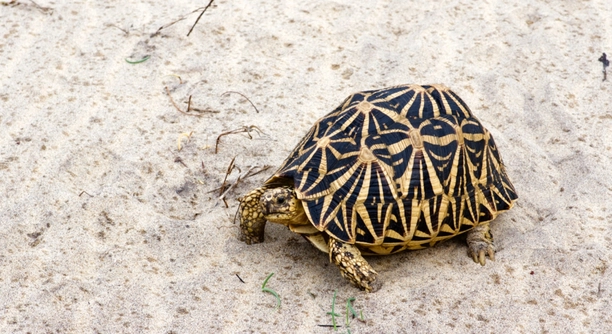
Cleaning the enclosure of an Indian Star Tortoise is crucial for their health and well-being. Maintaining a clean environment not only helps in preventing diseases but also ensures they live a comfortable life in captivity.
To effectively clean your Indian Star Tortoise enclosure, remove waste and uneaten food daily. Use non-toxic cleaning products and disinfect the entire enclosure weekly. Replace bedding and substrate regularly to maintain a hygienic habitat for your tortoise.
Proper cleaning will contribute to your tortoise’s overall health. By following these best practices, you can ensure their enclosure is a safe and pleasant place to live.
Daily Cleaning Routine
To maintain a clean and healthy environment for your Indian Star Tortoise, start with a daily cleaning routine. Begin by removing any uneaten food, waste, or soiled bedding. These can quickly lead to bacterial growth, which can cause health problems for your tortoise. Wipe down surfaces with a damp cloth to remove debris, ensuring all areas in the enclosure are dry before placing your tortoise back inside. A clean environment prevents the spread of illness and helps your tortoise feel comfortable and safe in its space.
If you notice any particularly dirty spots, focus on those areas with extra care. Keeping your tortoise’s habitat clean will minimize the chances of illness and help you spot any potential issues before they become bigger problems.
Regular cleaning also helps with monitoring your tortoise’s behavior. Any changes in their waste patterns or appetite can be early signs of health concerns. By staying on top of daily cleaning, you’ll create a space that supports your tortoise’s overall well-being.
Weekly Deep Cleaning
A weekly deep cleaning is essential for maintaining a fully hygienic tortoise enclosure. This involves removing and replacing bedding and substrate to ensure there is no buildup of harmful bacteria or mold. After emptying the enclosure, wash it thoroughly using a safe disinfectant. Avoid using harsh chemicals, as they can harm your tortoise.
In addition to cleaning the enclosure, check for any damage to the habitat, such as cracks or loose parts. Make sure all equipment, including heat lamps and water bowls, is working correctly. This inspection ensures a safe and secure environment for your tortoise.
Regular deep cleanings also help with preventing the buildup of parasites that can affect your tortoise’s health. While deep cleaning may take more time than the daily routine, it’s vital to maintain long-term health. This habit not only keeps the enclosure clean but also prevents the spread of potential health risks.
Proper Substrate Selection
Choosing the right substrate is crucial for your tortoise’s health. Opt for materials like coconut coir or cypress mulch. These options are natural, absorbent, and safe for your tortoise. Avoid using cedar or pine shavings, as their oils can be harmful to your pet.
The substrate helps maintain humidity levels, making it easier for your tortoise to stay hydrated. It also provides a natural environment where your tortoise can burrow and dig, mimicking its behavior in the wild. Be sure to replace the substrate regularly to prevent bacteria and mold growth.
Proper substrate management contributes to both the cleanliness and comfort of your tortoise’s home. It also aids in temperature control, helping you maintain the right environment for your tortoise. Changing the substrate on a regular basis is a small task that can make a big difference in your tortoise’s well-being.
Water and Food Bowls
Ensure that your tortoise’s food and water bowls are cleaned daily. Food can spoil quickly and attract pests, so it’s essential to wash the bowls after each meal. Use warm water and mild soap, then rinse thoroughly to remove any residue.
The water bowl should be large enough for your tortoise to drink comfortably and soak if needed. Changing the water daily prevents bacterial buildup and keeps your tortoise hydrated. Make sure the bowl is shallow enough to prevent accidents, as tortoises may have difficulty getting out of deep water.
Regular cleaning of food and water bowls helps prevent contamination and ensures your tortoise has access to fresh, clean resources. It’s also a simple step that keeps their enclosure hygienic and free of harmful bacteria, improving their overall health.
Cleaning the Heat Lamp and UVB Light
Regularly clean the heat lamp and UVB light to ensure they are functioning properly. Dust and grime can accumulate, reducing their effectiveness. Turn off the lights before cleaning, and wipe them gently with a soft cloth.
A dirty heat lamp can cause uneven heat distribution, which may lead to your tortoise becoming too cold or overheated. UVB lights need to be free from debris to provide the necessary UV radiation for your tortoise’s calcium absorption.
Proper care of the lighting ensures your tortoise is getting the proper exposure to heat and UVB, contributing to its overall health. Clean the lights on a weekly basis, or more often if necessary, to maintain their effectiveness.
Spot Clean for Waste
Spot cleaning is an essential daily task. Use a small scoop or tongs to remove any waste, such as feces, urine, or uneaten food. This prevents bacterial growth and keeps the enclosure fresh.
Quickly cleaning up waste also helps maintain the environment your tortoise feels comfortable in. It reduces odors and ensures your tortoise’s living space is hygienic and free of harmful contaminants.
Keeping the enclosure tidy on a daily basis promotes a healthier living environment and minimizes the risk of your tortoise developing any health issues caused by waste buildup.
FAQ
How often should I clean my Indian Star Tortoise enclosure?
You should clean the enclosure daily by removing waste and uneaten food. A more thorough deep cleaning, including changing the substrate and disinfecting surfaces, should be done once a week. Regular cleaning ensures the enclosure remains free from bacteria and harmful pathogens.
Can I use regular household cleaning products to clean the enclosure?
No, avoid using household cleaning products like bleach or ammonia, as they can be toxic to your tortoise. Instead, opt for non-toxic cleaners, mild soap, or a vinegar-water solution. Make sure to thoroughly rinse any cleaning agents from surfaces to avoid residue.
What type of substrate is best for my Indian Star Tortoise?
Coconut coir, cypress mulch, and aspen shavings are all good options. They provide a natural environment and help regulate humidity. Avoid using cedar or pine, as their oils can be harmful. Make sure to replace the substrate regularly to prevent bacteria buildup.
How often should I change the substrate?
Substrate should be replaced every 1 to 2 weeks, depending on the amount of waste or uneaten food present. This ensures that the enclosure remains clean and prevents any buildup of mold or harmful bacteria. Spot cleaning the substrate daily helps prolong the need for full replacement.
Is it necessary to disinfect the tortoise’s enclosure?
Yes, disinfecting the enclosure weekly is important to eliminate bacteria and parasites that might affect your tortoise. Use a pet-safe disinfectant and rinse the enclosure thoroughly before adding fresh substrate or returning your tortoise. This keeps the living space hygienic and safe.
How do I clean the tortoise’s water and food bowls?
Clean the food and water bowls daily. Remove any leftover food and waste, wash them with warm water and mild soap, and rinse them thoroughly to remove all soap residue. This prevents bacterial growth and ensures your tortoise has clean, fresh resources.
Can I use sand as substrate for my Indian Star Tortoise?
While some people use sand, it is not the best option for Indian Star Tortoises. Sand can cause impaction if ingested, especially if the tortoise is not eating properly. Stick to safer substrates like coconut coir, which provides a more natural and safe environment.
What is the best temperature for my Indian Star Tortoise’s enclosure?
The temperature should range between 80-85°F (27-29°C) during the day and can drop slightly at night. A basking spot should be around 90-95°F (32-35°C) for warmth. Maintaining the right temperature helps your tortoise regulate its body functions and supports digestion.
Do I need a UVB light for my Indian Star Tortoise?
Yes, UVB lighting is essential for your tortoise’s health. It helps them metabolize calcium, which is crucial for shell growth and bone health. Place the UVB light above the basking area, and make sure it is replaced every 6 months to ensure proper functionality.
How do I clean the heat lamp and UVB light?
To clean the heat lamp and UVB light, use a soft cloth or paper towel to wipe off any dust or grime. Be sure to turn off the lights and let them cool down before cleaning. This ensures that the lamps work efficiently and provide the right level of heat and UVB.
Is it safe to use a water dish in my tortoise’s enclosure?
Yes, it is important to provide a shallow water dish for your tortoise. Make sure the water is clean and fresh, and change it daily to prevent bacteria growth. The dish should be shallow enough for your tortoise to drink from and soak if desired, without posing a drowning risk.
How do I spot clean the enclosure?
Spot cleaning involves removing waste, uneaten food, or any soiled substrate on a daily basis. Use tongs or gloves to remove the waste quickly and discard it. Spot cleaning helps keep the enclosure fresh and reduces the chance of odors or bacterial growth.
Should I worry about odors in my tortoise’s enclosure?
A slight odor is normal, but if the smell is strong or unpleasant, it may indicate that the enclosure needs a more thorough cleaning. Ensure daily spot cleaning and weekly deep cleanings are done regularly to prevent odor buildup. Fresh substrate also helps control smells.
Can I add plants to my tortoise’s enclosure?
Yes, adding safe plants can help create a more natural environment. Some good options for tortoise enclosures are dandelions, hibiscus, and clover. However, avoid plants that are toxic to tortoises. Always ensure the plants are pesticide-free before adding them to the enclosure.
How do I keep my tortoise’s enclosure humid enough?
Maintain humidity by spraying the enclosure with water, especially if you’re using dry substrates like coconut coir. Tortoises from warmer climates need a moderate level of humidity to stay healthy. However, make sure the enclosure isn’t too wet, as excessive moisture can lead to mold growth.
Do I need to give my tortoise a bath?
Occasional baths can help your tortoise stay hydrated, especially if it is not drinking enough water. Place your tortoise in shallow, warm water for 10-15 minutes. Always supervise to ensure it doesn’t accidentally drown. Bathing is not a substitute for fresh water in the enclosure.
How can I prevent my tortoise from getting sick?
Maintain a clean and healthy environment by sticking to a regular cleaning schedule. Ensure proper lighting, temperature, and humidity levels. Providing a balanced diet and avoiding overcrowding will also help keep your tortoise healthy. Regularly check for signs of illness, such as changes in behavior or appetite.
Final Thoughts
Cleaning and maintaining your Indian Star Tortoise’s enclosure is essential for its health and well-being. A clean environment prevents the growth of harmful bacteria and ensures that your tortoise lives in a safe and comfortable space. Regular cleaning and proper care help prevent many common health issues, such as respiratory infections or shell rot, which can arise from an unhygienic habitat. By staying on top of cleaning tasks and maintaining the correct temperature and humidity levels, you can create an environment that promotes a long, healthy life for your tortoise.
It’s also important to remember that your Indian Star Tortoise is a living creature with specific needs. Beyond the physical aspects of cleaning the enclosure, it’s vital to observe your tortoise regularly for signs of stress, illness, or discomfort. Providing the right diet, access to fresh water, and a safe environment is just as crucial as maintaining cleanliness. Keep an eye on their behavior and adjust the enclosure if necessary to ensure they are thriving. The more you understand your tortoise’s needs, the better equipped you’ll be to provide them with a proper and enjoyable home.
Overall, a little effort goes a long way in creating the best habitat for your Indian Star Tortoise. Cleaning the enclosure regularly and following proper care guidelines ensures that your tortoise stays healthy and comfortable. While it might take some time to establish a consistent routine, the results are well worth it. Your tortoise will appreciate a clean, safe space, and you’ll enjoy watching it grow and flourish.

Hello,
If you enjoy the content that we create, please consider saying a "Thank You!" by leaving a tip.
Every little bit helps us continue crafting quality advice that supports the health, happiness, and well-being of pets around the world, for pets of all shapes, sizes, and species.
We really appreciate the kindness and support that you show us!