
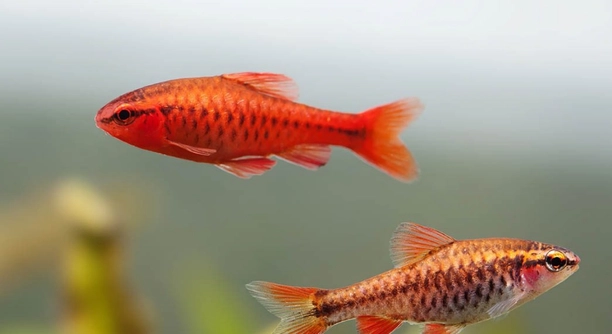
Breeding cherry barbs can be a rewarding experience, but it requires attention to detail and a solid understanding of their care. Ensuring their health and well-being is essential for successful breeding, making knowledge of best practices crucial.
To breed cherry barbs successfully, maintain optimal water conditions, provide a proper diet, and create an appropriate breeding environment. Focus on ensuring the water temperature is consistent and stable, and use gentle filtration to prevent stress and encourage healthy breeding.
By following these practices, you can create a thriving environment for your cherry barbs. Their health and successful breeding depend on your attention to their needs.
Proper Tank Setup for Cherry Barb Breeding
Creating the ideal environment for breeding is essential. A 20 to 30-gallon tank is suitable for breeding cherry barbs. Make sure to add plenty of plants, as they offer hiding spots for both adults and fry. You can also use a fine mesh net or breeding box to separate the parents from the fry, preventing them from eating the eggs.
In addition to plants, provide gentle filtration and a stable water temperature between 75-80°F. The water should be soft to slightly acidic, with a pH range of 6.5 to 7.0. Keep the water clean and perform regular water changes to ensure healthy conditions for the barbs.
Adding a light current in the tank can help simulate the natural environment for cherry barbs. This will encourage them to breed, as they typically spawn in slow-moving waters. Proper tank setup is vital to creating the right conditions that will allow your cherry barbs to thrive and breed successfully.
Feeding Cherry Barbs for Breeding
Feeding your cherry barbs a high-quality, varied diet supports healthy breeding. A mix of live foods such as brine shrimp and daphnia is ideal for stimulating breeding behavior. You can also offer high-quality flakes or pellets as supplementary food.
Well-fed barbs are more likely to breed successfully, as they are healthy and strong. Offering a balanced diet ensures the adults have the energy to spawn, and it helps the fry grow strong from the start. Avoid overfeeding, as this can lead to water quality issues.
Breeding Conditions for Cherry Barbs
Cherry barbs need specific breeding conditions to spawn successfully. Keep the water temperature between 75-80°F, and ensure the water is soft to slightly acidic, with a pH between 6.5 and 7.0. These conditions mimic their natural environment, encouraging them to breed.
Providing a breeding tank with gentle filtration and lots of plants helps the barbs feel secure. Adding a spawning mop or mesh net will allow the eggs to be collected easily. Cherry barbs typically spawn in the morning, so it’s best to monitor the tank during this time.
To encourage breeding, you can increase the water temperature slightly, as higher temperatures trigger spawning behavior. However, avoid drastic temperature changes as they may stress the fish. Monitoring water quality and maintaining proper conditions will support a smooth breeding process.
Egg Care and Hatching
After spawning, cherry barb eggs need to be carefully monitored. Remove the parents from the tank to prevent them from eating the eggs. The eggs typically hatch in 24 to 48 hours, depending on the temperature and water conditions.
The fry will remain in the egg sac for a few days before becoming free-swimming. During this time, ensure the water temperature stays stable at 75-80°F to promote healthy growth. Cherry barb fry are very small and require proper care to survive their early stages. Feed them infusoria or newly hatched brine shrimp once they are free-swimming.
It is essential to maintain clean water during this period. Regular water changes will ensure that harmful waste does not accumulate, which can harm the fry. Keeping a close eye on the water parameters and fry development ensures healthy growth into adulthood.
Preventing Common Breeding Issues
Overcrowding can lead to stress, which may prevent cherry barbs from breeding successfully. Ensure there is enough space for the fish to swim freely. Avoid adding too many fish to the tank, as this can negatively impact breeding behavior.
In addition, poor water quality is another common issue. If the water is not regularly changed, it can lead to increased waste levels, affecting the fish’s health and ability to breed. Keep the tank clean, and monitor ammonia, nitrite, and nitrate levels to avoid any spikes.
Handling the Fry
Once the fry start swimming, it’s crucial to separate them from the adults. This can be done by placing them in a separate rearing tank. Cherry barb fry are very small, so it’s essential to provide them with food that matches their size. Newly hatched brine shrimp or infusoria are perfect for the early stages.
As they grow, gradually introduce them to crushed flakes or small pellets. Keep a close watch on water quality in the rearing tank, as fry are sensitive to poor water conditions. Regular water changes will help maintain a healthy environment.
Monitoring Water Quality
Maintaining excellent water quality is vital for both adult and fry cherry barbs. Regular water changes and checking water parameters such as pH, hardness, and temperature are necessary to avoid stress and ensure healthy breeding.
FAQ
What size tank is best for breeding cherry barbs?
A 20 to 30-gallon tank is ideal for breeding cherry barbs. This size provides enough space for both the adults and the fry. It also allows for the addition of plants, which create hiding spots and mimic their natural habitat. A tank this size also allows for proper filtration and water circulation, which are essential for maintaining water quality during the breeding process.
Do cherry barbs need special care for breeding?
Cherry barbs don’t require overly complex care, but they do thrive under certain conditions. Keeping the water temperature stable between 75-80°F, with a pH of 6.5-7.0, and ensuring the water is soft will create an optimal breeding environment. Proper nutrition and minimal stress also play an important role in encouraging spawning.
How often should I feed my cherry barbs during breeding?
Feed your cherry barbs 2-3 times a day during breeding. A varied diet including high-quality flakes, live food, and frozen food like brine shrimp and daphnia is important. Live foods, in particular, help trigger breeding behavior. Overfeeding can cause water quality issues, so be mindful of how much food is given.
Do I need to separate the male and female cherry barbs for breeding?
It’s not necessary to separate the males and females before breeding, but you can increase the chances of spawning by introducing them to a breeding tank with proper conditions. Provide plenty of plants or a spawning mop to encourage egg-laying. Once the eggs are laid, the adults should be removed to prevent them from eating the eggs or fry.
How do I know when my cherry barbs are ready to breed?
You’ll know cherry barbs are ready to breed when the males display brighter colors, especially during the breeding season. The males will also become more active and chase the females around the tank. Female cherry barbs will appear fuller as they develop eggs. It’s during this time that you should provide ideal conditions to encourage spawning.
What should I do if my cherry barbs aren’t breeding?
If your cherry barbs aren’t breeding, consider adjusting their environment. Ensure the water temperature is within the optimal range of 75-80°F. Check the water parameters and make sure they are soft and slightly acidic. You may also want to try changing their diet, introducing live foods, or providing a more private environment for the breeding process.
Can cherry barbs breed with other species?
Cherry barbs typically do not breed with other species. They are a species-specific breeder, meaning they will only breed with other cherry barbs. Attempting to crossbreed them with other species may result in failed breeding or unhealthy offspring. Keeping them in a species-only tank helps prevent confusion during the breeding process.
How long does it take for cherry barb eggs to hatch?
Cherry barb eggs typically hatch within 24 to 48 hours. The time it takes for the eggs to hatch can depend on water temperature and quality. Warmer water speeds up the process, while cooler temperatures may cause a slight delay. It’s important to keep the water clean and stable to ensure the eggs develop properly.
What should I feed the fry once they hatch?
Once the fry hatch, they are very small and need tiny food. You can feed them infusoria or newly hatched brine shrimp, which are perfect for their size. As they grow, you can start introducing finely crushed flakes or micro-pellets. Keep the feeding area clean and provide small, frequent meals to ensure they grow strong.
How can I avoid overbreeding cherry barbs?
Overbreeding can stress your cherry barbs and affect their health. To prevent overbreeding, limit the number of times you allow them to spawn each year. You can also control the breeding process by removing the adults after they spawn and providing a break between breeding cycles. This will help maintain the health of your fish.
Final Thoughts
Breeding cherry barbs can be a rewarding experience if the right conditions are provided. By creating an environment that mimics their natural habitat, you can encourage these small, colorful fish to breed successfully. Ensuring the right water temperature, pH levels, and adding plants for shelter will help foster a stress-free environment where the barbs can thrive. It’s also important to provide a nutritious diet, as this will not only support the health of the adults but also contribute to the development of strong, healthy fry.
Maintaining good water quality throughout the breeding process is essential. Regular water changes and monitoring water parameters such as ammonia, nitrite, and nitrate levels can prevent problems from arising. Additionally, separating the adults from the fry after they’ve laid eggs will protect the eggs and young fish. Careful attention to water temperature, cleanliness, and proper feeding will ensure the best chances for successful breeding and healthy fry growth.
With patience and proper care, breeding cherry barbs can be a fulfilling and enjoyable activity. It may take some trial and error to get the conditions just right, but once you find the balance, the process becomes smoother. Whether you’re a beginner or more experienced, understanding the needs of your fish and maintaining their health is key to a successful breeding experience.

Hello,
If you enjoy the content that we create, please consider saying a "Thank You!" by leaving a tip.
Every little bit helps us continue crafting quality advice that supports the health, happiness, and well-being of pets around the world, for pets of all shapes, sizes, and species.
We really appreciate the kindness and support that you show us!