
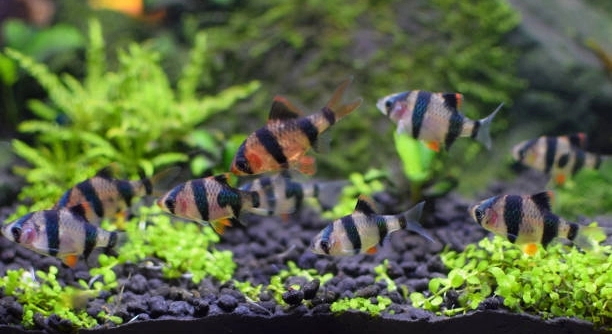
Do you ever find yourself trying to create a balanced tank but unsure which plants are best for your active tiger barbs?
The best plants to use with tiger barbs are hardy, fast-growing species like Java fern, Anubias, Amazon sword, and hornwort. These plants can withstand nipping and add structure, helping maintain a healthy and engaging aquarium environment.
Adding the right plants can improve water quality, reduce stress in your fish, and bring out more natural behaviors in your tiger barbs.
Java Fern: A Reliable Option for Active Fish
Java fern is one of the best choices for a tank with tiger barbs. It has thick, sturdy leaves that can tolerate light nibbling and fast movement in the water. This plant doesn’t need to be buried in substrate, making it easy to attach to driftwood or rocks. Its low light requirements also make it simple to care for, even if you’re just starting with live plants. Since it grows slowly, it won’t take over your tank too quickly. The dense foliage creates a great hiding space for fish and helps reduce aggressive behavior. Java fern also supports better water quality by absorbing nitrates. It adds a natural look to your tank while staying strong against the occasional bite.
Its durability, ease of care, and ability to grow in various setups make it a popular plant for active fish like tiger barbs.
When using Java fern, avoid burying the rhizome. Attach it to décor using thread or aquarium-safe glue for healthy growth.
Hornwort: Fast-Growing and Low-Maintenance
Hornwort is a floating or anchored plant that thrives in a tiger barb tank. It grows quickly, which helps outcompete algae and absorbs excess nutrients in the water.
This plant’s fine, bushy texture gives tiger barbs plenty of cover and room to swim through. Its fast growth also makes it ideal for tanks where fish tend to nibble. Even if parts break off, hornwort regenerates easily, making it a forgiving choice. It doesn’t require special lighting or substrate and can adapt to a wide range of water conditions. Floating it at the top provides shade and reduces stress for mid-swimming fish. Anchoring it at the bottom adds greenery and keeps the tank looking full. Hornwort does shed some needles, so light vacuuming may be needed during water changes. Still, its benefits in improving water quality and supporting natural fish behavior outweigh the small maintenance effort. It’s a great plant for keeping a tiger barb tank clean, lively, and stress-free.
Anubias: Hardy and Low-Light Friendly
Anubias is a sturdy plant with thick leaves that can handle occasional pecking. It doesn’t need much light and grows slowly, making it low-maintenance and easy to manage in most aquariums.
This plant can be attached to wood or rocks, which is helpful in tanks with fish that dig or disturb the substrate. Its broad leaves offer good cover and resting areas, which can help reduce stress in tiger barbs. Anubias doesn’t grow too fast, so it won’t overcrowd your tank. It can thrive in low-light conditions, making it suitable for tanks without fancy lighting setups. When attaching it, be sure not to bury the rhizome—this will prevent it from rotting.
While it’s not a fast grower, Anubias adds a calm, natural touch to the aquarium. It’s resistant to nibbling and can last a long time with little care. Occasional algae buildup may appear on the leaves, but gentle wiping during maintenance can keep the plant healthy.
Amazon Sword: Great for Background Planting
Amazon sword is a tall, leafy plant that works well in the background of a tiger barb tank. Its broad leaves offer good hiding spaces, especially helpful for reducing stress in semi-aggressive fish.
This plant prefers to be rooted in a nutrient-rich substrate and does best with moderate lighting. It grows large over time, making it great for filling space and creating natural-looking zones in the tank. Amazon sword also absorbs nutrients quickly, helping improve water quality. It’s best used in the back or corners of the aquarium to avoid blocking light or swimming areas. Though it may attract some nibbling from curious tiger barbs, its fast growth helps it recover easily. Regular trimming helps it stay full and healthy. It pairs well with shorter plants like Anubias or Java fern to create balance. With the right care, Amazon sword can become a strong and attractive feature in your tank.
Water Wisteria: Light, Fast, and Flexible
Water wisteria grows quickly and helps reduce nitrates in the tank. Its delicate leaves offer shade and make swimming more interesting for tiger barbs. You can float it or plant it, depending on your tank’s setup and what look you prefer.
It thrives in moderate lighting and can handle different water conditions. Since it grows fast, regular trimming is needed to keep it from taking over. If any part breaks off, it can be replanted easily.
Vallisneria: Tall and Flowing
Vallisneria is a grass-like plant that grows long, ribbon-shaped leaves. It’s great for creating a background wall that gives tiger barbs space to weave through. This plant spreads by runners, so it can quickly fill in areas if the conditions are right. It doesn’t need much care and grows well in most substrates. Vallisneria prefers moderate lighting and benefits from root tabs if your tank lacks nutrients. While tiger barbs might nip at the ends, the plant usually holds up well and keeps growing. Trim the tops occasionally to prevent them from blocking light for other plants.
Bacopa: Simple and Sturdy
Bacopa has thick stems and small leaves that stay intact even with some nibbling. It’s easy to grow and does well in both low and moderate lighting. This plant also adds a calm, green touch to your setup.
FAQ
Can tiger barbs live in a planted tank?
Yes, tiger barbs can live in a planted tank. In fact, live plants can make their environment more comfortable. Plants give them places to explore, hide, and rest. They also help reduce aggression by breaking up open swimming areas. Just be sure to choose hardy plants that can tolerate some nipping or movement. Tiger barbs are active fish, so delicate plants might not last long. With the right plants and layout, a planted tank can be a great match for tiger barbs and help support a healthy tank setup.
Do tiger barbs eat live plants?
Tiger barbs don’t usually eat plants, but they may nip at soft or delicate leaves. This behavior is more about curiosity or boredom than hunger. Some plants with fine textures or weak stems can get damaged easily. That’s why it’s better to choose plants with tougher leaves like Java fern or Anubias. Fast-growing plants like hornwort can also handle occasional nibbling without being ruined. Adding variety to their diet and giving them space to explore may reduce their interest in plants over time.
What plants should I avoid with tiger barbs?
Avoid using delicate or slow-recovering plants like Cabomba, guppy grass, or some mosses. These can break apart easily or get damaged by constant movement. Floating plants with fragile roots may also struggle. Tiger barbs are very active swimmers, and their quick turns or playful chasing can disturb plants that aren’t well-anchored or resilient. If you still want to try these types of plants, use them in protected corners or attached to hard décor. But for the best results, stick with hardy and flexible species.
How do I keep plants from floating up?
To stop plants from floating, make sure they’re firmly planted in the substrate or attached to rocks or driftwood. For rooted plants like Amazon sword or Vallisneria, press the roots down well and consider adding plant weights or stones around the base. For plants like Java fern or Anubias, avoid burying the rhizome—just tie or glue them to solid surfaces. If a plant keeps floating, check if fish are pulling at it or if the roots are too short to anchor well. Give it time to settle and grow stronger roots.
Do plants improve water quality in a tiger barb tank?
Yes, live plants help improve water quality. They absorb ammonia, nitrates, and carbon dioxide while adding oxygen to the water. Fast-growing plants like hornwort or water wisteria are especially good at this. They help control algae by using up extra nutrients, keeping the tank clearer. Plants also reduce stress by creating shaded spots and break lines of sight between fish. Healthier plants often mean healthier fish. While they don’t replace filters or regular maintenance, plants are a natural and helpful part of keeping the tank stable and clean.
How much light do these plants need?
Most of the plants listed—like Anubias, Java fern, and Bacopa—do well in low to moderate lighting. Amazon sword, Vallisneria, and water wisteria may need a bit more light to thrive, but still don’t require high-intensity setups. Using a simple LED light designed for planted tanks is usually enough. Make sure to keep the lights on for 8–10 hours a day. Too much light can lead to algae, while too little may cause slow growth or leaf loss. Adjust based on the needs of the specific plants you choose.
Will tiger barbs dig up my plants?
Tiger barbs don’t usually dig, but they’re very active and may disturb plants that aren’t anchored well. Fast swimming and group chasing can knock loose plants with weak roots. To prevent this, choose species that attach to hardscape (like Java fern) or have strong root systems (like Amazon sword). Make sure rooted plants are buried deep enough, and consider placing heavier gravel or stones around the base for added support. Once plants are settled and rooted, they’re less likely to get moved by fish activity.
Do I need CO₂ for planted tanks with tiger barbs?
You don’t need CO₂ for the hardy plants mentioned in this article. Java fern, Anubias, Bacopa, and hornwort all grow well without it. However, if you want faster growth or plan to add more demanding plants later, a low-level CO₂ setup can help. Just be sure it’s stable, as large CO₂ swings can stress fish. Stick with simple setups if you’re focusing mainly on the health of your fish and low-maintenance plant care. For most tiger barb tanks, good lighting and occasional fertilization are enough.
Can I use fake plants instead?
You can use fake plants, but they don’t offer the same benefits as live ones. Plastic or silk plants provide hiding spaces and structure, which can still help reduce stress in tiger barbs. However, they don’t improve water quality or oxygen levels. Some fake plants have sharp edges that could injure fast-moving fish. If you choose artificial plants, go for soft, aquarium-safe ones. Mixing a few real plants with fake ones can give you the best of both—less maintenance and some natural benefits.
Final Thoughts
Choosing the right plants for a tiger barb tank helps create a balanced and healthy environment. Tiger barbs are active and curious, so the plants you choose need to handle their movement and occasional nibbling. Hardy, low-maintenance plants like Java fern, Anubias, hornwort, and Vallisneria work well because they can handle this kind of activity. These plants also provide shelter, improve water quality, and make the tank look more natural. Even if you’re new to keeping live plants, many of these options are easy to care for and don’t need extra equipment or special lighting.
Keeping tiger barbs with the right plants can also help reduce stress and aggression. When there are more hiding spots and swimming paths, the fish tend to behave more calmly. Fast-growing plants like water wisteria or hornwort can keep up with a busy tank and help prevent algae by using up extra nutrients. Rooted plants like Amazon sword or Bacopa give structure and cover, especially if you plant them along the back and sides. Just remember to secure plants properly, trim them when needed, and avoid delicate ones that break apart easily. Taking a little time to set things up the right way can make a big difference in how your tank looks and functions.
Live plants do more than just make the tank look nice—they play a role in creating a stable ecosystem. They help absorb waste, add oxygen, and give the fish something to interact with. While fake plants can be used, they don’t provide the same benefits. With a little care and planning, you can keep a planted tank that works well for both the plants and the fish. Whether you prefer simple, low-light plants or want to experiment with more options over time, there’s plenty of room to adjust as you go. In the end, combining the right plants with good maintenance can lead to a tank that’s easy to manage and enjoyable to watch.

Hello,
If you enjoy the content that we create, please consider saying a "Thank You!" by leaving a tip.
Every little bit helps us continue crafting quality advice that supports the health, happiness, and well-being of pets around the world, for pets of all shapes, sizes, and species.
We really appreciate the kindness and support that you show us!