
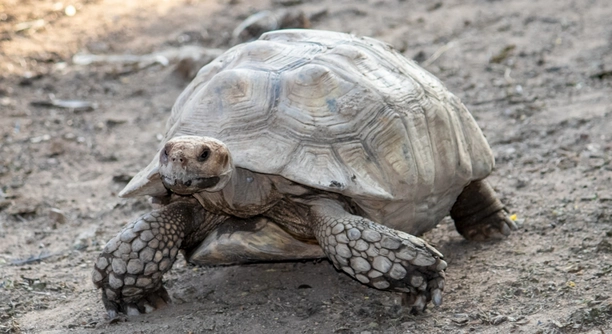
Many tortoise owners enjoy creating an enriching environment for their pets. A key element in this is selecting the right plants for their enclosures. The plants you choose can provide both aesthetic and functional benefits.
The best plants for a tortoise enclosure are those that are safe, non-toxic, and offer nutritional value. Consider incorporating plants like dandelions, clover, and grasses, which are beneficial for tortoises and can also enhance their habitat.
Selecting the right plants can help keep your tortoise healthy and create a natural, appealing enclosure for them.
Choosing Non-Toxic Plants
When selecting plants for your tortoise’s enclosure, safety should always come first. Many plants are toxic to tortoises and can cause serious health issues. It’s essential to research each plant carefully before introducing it. Safe, non-toxic plants not only ensure your tortoise’s safety but also contribute to a healthy habitat. Some plants even provide essential nutrients for your tortoise’s diet. For example, dandelions are rich in vitamins and minerals that tortoises need. Similarly, clover offers a mix of fiber and calcium.
Opting for non-toxic plants also means less worry about potential accidents. Many common garden plants, such as lilies or ivy, are harmful to tortoises. If in doubt, look for plants commonly recommended for tortoise habitats. This helps avoid any confusion, and it’s one less thing to worry about. Always avoid plants with sharp or toxic parts. By focusing on safe plants, you ensure that your tortoise has a secure and comfortable space.
The Benefits of Eating Plants
Plants provide more than just a visual appeal to the tortoise’s enclosure. Many plants are also a crucial part of their diet. They can aid in digestion, support hydration, and contribute to overall health.
A variety of plants can help mimic the natural environment for tortoises. Offering plants like dandelions and clover, which are high in fiber and vitamins, supports healthy digestion. Grasses also help maintain a balanced diet. Tortoises benefit from the diversity and nutrition that these plants offer. Additionally, eating plants that resemble their natural diet helps them feel more comfortable in their enclosures.
When picking plants, consider how they’ll benefit your tortoise’s overall wellbeing. By making the right selections, you can create an environment that promotes a long, healthy life.
Safe Plants for Tortoises
Dandelions, clover, and grasses are among the safest and most beneficial plants for tortoises. They offer nutrition without risk. These plants are commonly found in tortoise habitats and are easy to grow. Avoid any plants that are unknown or seem too ornamental, as they may pose a risk.
Dandelions are a favorite among tortoises. They provide essential nutrients such as calcium and fiber, which are crucial for bone health and digestion. Clover, rich in vitamins, is another great option that your tortoise will enjoy. The variety these plants offer makes them a great addition to your tortoise’s diet.
It’s important to check that the plants are free of pesticides or chemicals. Growing these plants in your garden ensures that they’re fresh and safe for your tortoise. By focusing on these safe options, you create a nutritious and natural environment for your pet.
Avoiding Harmful Plants
Many commonly found plants are toxic to tortoises and should be avoided. Examples include azaleas, oleander, and foxglove, all of which can cause severe health issues. Even small amounts of these plants can be dangerous to your pet’s well-being.
These plants are often overlooked, as they may appear harmless. However, they contain chemicals that can cause digestive upset, lethargy, and even death if ingested. To ensure the safety of your tortoise, be sure to research the toxicity of plants before adding them to the enclosure. When in doubt, it’s better to avoid them entirely.
The safest approach is to stick to plants known to be non-toxic and beneficial for tortoises. Always remember to double-check plant safety, especially if you’re sourcing them from a garden center.
Growing Your Own Plants
Growing plants for your tortoise at home can be rewarding. You control what goes into them, ensuring they’re pesticide-free. Many plants, like clover and grasses, thrive in various climates and are easy to care for, making them great choices for your pet’s enclosure.
By growing your own plants, you can create a sustainable food source for your tortoise. These plants also help maintain humidity and a natural environment in their habitat. Planting them in containers or directly in the enclosure is a simple way to offer a fresh and safe diet.
Homegrown plants also give you the flexibility to harvest them as needed. This ensures your tortoise has access to nutritious foods throughout the year. Plus, it reduces costs compared to buying store-bought plants. Growing plants for your tortoise is not only beneficial for them but also for you.
Incorporating Variety
Adding different types of plants provides your tortoise with a well-rounded diet. A variety of plants encourages natural foraging behavior. It also helps balance nutrients, such as fiber and vitamins, contributing to better health.
Plants like dandelions and clover are good staples, but including other safe options, such as plantain and hibiscus, offers additional variety. Planting a diverse range in the enclosure gives your tortoise the freedom to choose and explore. This also mimics their natural feeding habits, allowing them to enjoy a broader spectrum of flavors and textures.
Regular Maintenance
Caring for the plants in your tortoise’s enclosure requires regular attention. Check for signs of damage, pests, or mold to ensure the plants remain healthy and safe. Removing dead leaves or overgrowth helps maintain the plants’ health.
Proper maintenance also includes trimming plants that may have grown too large. This keeps the enclosure tidy and prevents overcrowding. Regular watering and proper drainage are essential for keeping plants alive and thriving in the enclosure.
FAQ
What plants are safe for tortoises?
Safe plants for tortoises include dandelions, clover, hibiscus, and grasses. These plants are not only non-toxic but also provide essential nutrients. Dandelions, for example, are rich in calcium, fiber, and vitamins, making them great for digestion and bone health. Clover offers a mix of vitamins and minerals, while grasses provide necessary fiber. Always check for pesticides or chemicals on plants before placing them in the enclosure.
Can I grow my own plants for my tortoise?
Yes, growing your own plants is a great option for tortoise owners. It ensures the plants are pesticide-free and fresh. Plants like clover, grasses, and dandelions are easy to grow and maintain. Growing them also helps reduce costs and gives you control over the quality of the food you provide. You can plant them in containers or directly in the tortoise’s enclosure. It’s an easy and sustainable way to supply fresh food year-round.
How can I tell if a plant is toxic to my tortoise?
To determine if a plant is toxic, always research it before adding it to your tortoise’s enclosure. Some common toxic plants include oleander, azalea, and foxglove. These plants contain harmful chemicals that can cause digestive problems, lethargy, or even death if ingested. Stick to plants known to be safe for tortoises. If unsure, avoid it altogether.
How often should I replace the plants in my tortoise’s enclosure?
Plants in the enclosure should be replaced or refreshed every few months, depending on how fast they grow. Some plants may need more frequent replacements if they become damaged or eaten too quickly. Keep an eye on the plants and replace them when they start to look unhealthy or have been over-consumed. Fresh plants provide better nutrition for your tortoise and maintain a clean environment.
What plants should I avoid in my tortoise’s enclosure?
Avoid plants such as azaleas, oleander, and ivy, as these are toxic to tortoises. Other harmful plants include foxglove, daffodils, and some lilies. These plants contain toxins that can cause a range of health issues in tortoises. Always check for toxicity before placing any new plants in the enclosure.
Can tortoises eat fruits or vegetables?
Tortoises can eat some fruits and vegetables in moderation, but they should make up only a small portion of their diet. Too much fruit can lead to diarrhea due to its high sugar content. Safe vegetables like collard greens, kale, and squash are good options. Always avoid high-oxalate vegetables like spinach, as they can interfere with calcium absorption.
How do I keep plants healthy in my tortoise’s enclosure?
To keep plants healthy, ensure they get enough light, water, and proper drainage. Some plants may need extra care, such as trimming or repotting as they grow. Make sure to remove any dead or rotting parts to prevent mold or pests. Regularly check the plants for signs of damage or overgrowth and trim them back as needed. Keeping the plants healthy helps maintain a clean environment for your tortoise.
Can tortoises eat flowers?
Yes, tortoises can eat certain flowers, but you need to ensure they are non-toxic. Flowers such as hibiscus, dandelions, and pansies are safe for tortoises. Avoid flowers from plants that may have been treated with pesticides or chemicals. Always verify that the flowers are safe and free of any harmful substances.
How do I make sure my tortoise has enough food?
A well-balanced diet for your tortoise includes a variety of safe plants, grasses, and leafy greens. Be sure to provide fresh food daily and remove any uneaten portions to prevent mold. You can also supplement their diet with safe fruits and vegetables. Monitor their intake and make adjustments as needed to ensure they’re getting proper nutrition. Offering a variety of foods encourages natural foraging and keeps your tortoise healthy.
Can tortoises eat cactus plants?
Some species of tortoises can safely eat cactus pads, especially prickly pear cacti. However, you should remove the thorns before feeding them to your tortoise. Cactus provides hydration and some essential nutrients, but it should not be the main food source. Offer cactus as a supplement rather than a primary food.
Do I need to grow plants indoors for my tortoise?
You don’t necessarily need to grow plants indoors unless your climate doesn’t support outdoor plant growth. In such cases, indoor plants can provide fresh, safe food for your tortoise year-round. Use grow lights to ensure the plants get enough light if they are indoors. If you live in a warm climate, growing plants outdoors is often a more convenient and cost-effective option.
How do I know if my tortoise is eating enough?
You can tell if your tortoise is eating enough by monitoring their weight and activity level. If they are consistently active and not losing weight, they are likely getting enough food. If you notice any changes in behavior, such as lethargy or weight loss, you may need to adjust their diet or ensure they are getting the right type of plants and nutrients.
Can I feed my tortoise the same plants every day?
While some plants can be fed daily, offering a variety of plants is important for ensuring a balanced diet. A mix of grasses, dandelions, clover, and safe vegetables provides a range of nutrients. Eating the same plants every day can lead to nutritional imbalances, so variety is key.
How do I make sure my tortoise’s enclosure is safe?
Ensure your tortoise’s enclosure is free from toxic plants, chemicals, and sharp objects. Provide enough space for them to roam and forage. A proper substrate, like grass or hay, will allow them to dig and feel comfortable. Ensure the environment is well-lit and has temperature gradients to keep your tortoise healthy.
Final Thoughts
Creating a suitable environment for your tortoise is essential for their overall health and well-being. The plants you place in their enclosure can play a significant role in providing them with the right nutrients. By selecting safe, non-toxic plants like dandelions, hibiscus, and clover, you ensure that your tortoise can enjoy natural food while avoiding harmful chemicals. Keeping their enclosure fresh and clean with a variety of plants not only supports their diet but also encourages natural behaviors like foraging, which is important for their mental and physical health.
When selecting plants for your tortoise’s enclosure, it is crucial to consider the types of plants they are naturally accustomed to in the wild. Some species of tortoises may have different dietary needs, so it’s important to understand which plants are most suitable for the specific type of tortoise you have. Additionally, growing your own plants can be a great way to provide fresh and pesticide-free food for your pet. Growing dandelions, clover, and grasses in a small garden or containers gives you control over the plants’ quality and availability. This ensures that your tortoise is always fed fresh, healthy plants.
It’s also essential to stay informed about the types of plants that should be avoided. Some plants, such as oleander, azalea, and foxglove, can be toxic to tortoises and should never be placed in their enclosure. Always double-check that any new plant you introduce is safe for your tortoise, and remove any plants that may have been treated with harmful pesticides. Regularly inspect the plants in the enclosure to ensure they remain healthy and free of mold or pests. By taking these precautions, you can create a safe, nourishing environment for your tortoise to thrive.

Hello,
If you enjoy the content that we create, please consider saying a "Thank You!" by leaving a tip.
Every little bit helps us continue crafting quality advice that supports the health, happiness, and well-being of pets around the world, for pets of all shapes, sizes, and species.
We really appreciate the kindness and support that you show us!