
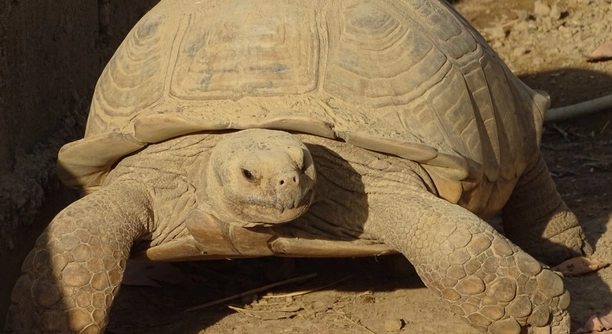
Creating the ideal environment for your sulcata tortoise means paying attention to many factors, one of which is the plants you provide. These plants should be safe, nutritious, and beneficial to their habitat. Choosing the right plants will help mimic their natural surroundings and promote their health.
The best plants for a sulcata tortoise habitat are those that are safe to eat and provide necessary nutrients. Some of the top options include grasses, leafy greens, and other desert plants that suit their herbivorous diet and active lifestyle.
Selecting appropriate plants not only supports your tortoise’s diet but also helps maintain a healthy environment. We’ll explore some of the best plant options for your sulcata tortoise habitat, offering both nutritional value and a touch of nature.
1. Grasses for a Natural and Balanced Diet
Grasses are one of the best options for a sulcata tortoise’s habitat. They are natural to their diet and provide the fiber they need for proper digestion. Varieties like Bermuda grass, timothy hay, and ryegrass are easy to grow and thrive in the warm environment. These grasses mimic what they would typically find in their natural habitat. Plus, they can help keep your tortoise’s enclosure neat, as they enjoy munching on them throughout the day.
Adding grasses helps create a more comfortable and healthy environment for your tortoise. They’ll eat these grasses regularly, providing them with essential nutrients, vitamins, and minerals. Grasses like Bermuda grass are especially ideal because they also promote natural behaviors like grazing and foraging.
By including grass varieties in your habitat, you’re making it easier for your sulcata tortoise to maintain a balanced diet. These grasses are high in fiber and low in moisture, reducing the risk of health issues, such as shell deformities, which are common when a tortoise does not get the proper nutrition. When kept in a safe, controlled environment, grass varieties offer a sustainable way to keep your tortoise happy and healthy.
2. Leafy Greens for Essential Nutrients
Leafy greens are an essential part of a sulcata tortoise’s diet.
Tortoises need leafy greens like dandelion greens, collard greens, and turnip greens. These greens are rich in calcium and other vitamins necessary for their overall health. They’re a natural food source that offers a range of benefits for your pet.
3. Prickly Pear Cactus for a Fun and Safe Snack
Prickly pear cactus is safe for sulcata tortoises and offers a healthy treat. The pads and fruit are both edible and packed with nutrients.
When adding prickly pear cactus to your tortoise’s habitat, be sure to remove any spines carefully. Tortoises enjoy eating the fleshy pads, and the fruit offers a tasty addition to their diet. This cactus can also help provide hydration during hotter months due to its moisture content.
Prickly pear cactus thrives in warm environments, making it an ideal plant for your sulcata tortoise habitat. It requires minimal care and can be a sustainable food source. You can grow it in pots or directly in the enclosure. Just ensure it has enough sunlight to thrive.
4. Clover as an Easy and Healthy Ground Cover
Clover can provide a great ground cover while also being edible for your sulcata tortoise.
Clover is rich in vitamins and minerals, including calcium and iron, and is easily digestible. It’s an excellent addition to your tortoise’s habitat as it not only enhances their diet but also helps maintain a more natural environment. It grows quickly, making it a practical choice for ground cover.
Clover can be grown in many areas of the enclosure, either directly in the soil or in small patches around the habitat. It’s a low-maintenance plant that requires minimal water and light. Just make sure to remove any dead clover to prevent mold growth.
5. Hibiscus for Color and Nutrition
Hibiscus flowers are not only beautiful but also safe for your tortoise to eat. The petals offer vitamins, especially Vitamin C.
Adding hibiscus to the habitat brings both aesthetic and dietary benefits. It can be grown easily in warm climates and attracts attention with its vibrant flowers. Just ensure your tortoise eats the petals and not the leaves, which can be less desirable.
6. Alfalfa for Extra Fiber
Alfalfa is another plant to consider for your sulcata tortoise.
It provides extra fiber, promoting healthy digestion. Alfalfa also contains essential vitamins and minerals, adding variety to your tortoise’s diet. It can be grown directly in the habitat or offered as a supplement to grasses.
FAQ
What plants are safe for sulcata tortoises to eat?
Sulcata tortoises thrive on a diet of grasses, leafy greens, and certain edible flowers. Safe options include Bermuda grass, dandelion greens, turnip greens, hibiscus flowers, and prickly pear cactus. These plants provide the essential nutrients, including fiber, vitamins, and calcium, that help your tortoise stay healthy. It’s important to avoid any plants with toxic properties, such as azaleas or lilies. Always research before adding a new plant to ensure it’s safe for your pet.
Can I grow these plants in my sulcata tortoise’s enclosure?
Yes, many of these plants can be grown in your tortoise’s habitat, provided you have the right conditions. Grasses like Bermuda and ryegrass thrive in warm, sunny environments, and so do plants like clover and prickly pear cactus. You can either plant them directly in the soil or grow them in pots inside the enclosure. Make sure to place them where your tortoise can easily access them, and keep the area free from mold or dead leaves.
How often should I feed my sulcata tortoise these plants?
It’s best to provide fresh plant material daily. Grasses should be available at all times since they are a core part of your tortoise’s diet. Leafy greens, flowers, and cactus can be offered 2 to 3 times a week. The amount you offer depends on the size of your tortoise. It’s important to give them enough food to graze on throughout the day but avoid overfeeding to maintain a healthy weight.
Are there any plants I should avoid growing?
Yes, there are several plants to avoid. Some, like azaleas, lilies, and oleander, are toxic to sulcata tortoises and should never be included in their habitat. Avoid plants with high oxalate content, such as spinach, as they can cause kidney damage over time. Also, avoid any plants that have been treated with pesticides or chemicals. Always double-check that a plant is safe before adding it to your tortoise’s enclosure.
Can I feed my tortoise fruit and vegetables from my kitchen?
You can feed your sulcata tortoise some fruits and vegetables in moderation, but be careful. Tortoises have specific dietary needs, and some fruits and vegetables are too high in sugar or moisture. Offer small amounts of melon, apples, or pears as occasional treats. Vegetables like carrots, squash, and pumpkin are fine in small quantities. However, avoid iceberg lettuce, which has little nutritional value. Always focus on a fiber-rich, high-calcium diet.
Do sulcata tortoises need supplemental lighting for their plants?
Yes, sulcata tortoises need proper lighting in their habitat, especially if you are growing plants indoors. UVB lighting is important for their overall health, as it helps them process calcium and supports healthy shell growth. If your plants need sunlight to thrive, ensure that they are placed in an area where they can receive adequate light, either natural or artificial.
Can I grow plants like clover in colder climates?
Clover is a hardy plant, but it may not grow well in freezing temperatures. If you live in a colder climate, you can still grow clover indoors under controlled conditions. Use grow lights and keep the environment warm enough for it to flourish. You can also grow it outside during warmer months and offer it fresh to your tortoise, ensuring they get the benefits.
How do I care for prickly pear cactus in my tortoise’s habitat?
Prickly pear cactus is easy to grow in warm, sunny conditions. If you’re growing it in an enclosure, make sure it has well-drained soil, as it doesn’t like standing water. Be cautious of the spines; remove them before offering it to your tortoise. Once the cactus is established, you can provide the pads as a treat. Prickly pear fruit is also a great option, but only offer it in moderation due to its sugar content.
Can I grow alfalfa for my tortoise’s habitat?
Alfalfa is a great option for sulcata tortoises. It’s a high-fiber plant that can be added to their diet, especially for younger tortoises. However, be mindful not to overfeed it to adult tortoises since it’s higher in protein than they need. Alfalfa can be grown in the enclosure as ground cover or in pots. It’s a simple plant to maintain as long as it gets enough sunlight and water.
How do I maintain my tortoise’s habitat plants?
Maintaining your plants is key to ensuring they stay healthy and beneficial for your tortoise. Regularly water the plants according to their needs, but avoid overwatering as this can lead to mold growth. Trim dead or decaying leaves and replace any plants that aren’t doing well. Ensure that the plants are receiving enough light, and remove any fallen plant matter that could attract pests. Keep the enclosure clean to prevent diseases or parasites from affecting the plants or your tortoise.
Final Thoughts
Choosing the right plants for your sulcata tortoise’s habitat is an important step in creating a healthy and safe environment for your pet. The plants you provide should not only be edible and nutritious but also suited to the warm, dry conditions typical of their natural habitat. Plants like grasses, leafy greens, prickly pear cactus, and hibiscus are excellent choices. These plants offer a variety of nutrients such as fiber, calcium, and vitamins, which are crucial for maintaining your tortoise’s overall health.
It’s important to remember that some plants can be harmful to your sulcata tortoise, so it’s necessary to be cautious when adding new plants to the enclosure. Always ensure that the plants you choose are safe and non-toxic to tortoises. It’s also essential to regularly maintain the plants by trimming dead leaves, removing any pests, and ensuring they have enough sunlight to grow. A healthy mix of edible plants can help create a more natural and enriching environment, encouraging your tortoise to forage and engage in natural behaviors.
Overall, maintaining a balanced diet with the right plants will contribute to your sulcata tortoise’s long-term health and well-being. The plants mentioned here are just a few options, but there are many others that can be beneficial to your tortoise’s diet and habitat. Whether you choose to plant them directly in the enclosure or in pots, it’s important to keep the space clean and free of mold or decaying plant matter. By paying attention to your tortoise’s diet and habitat needs, you can ensure they live a happy, healthy life.

Hello,
If you enjoy the content that we create, please consider saying a "Thank You!" by leaving a tip.
Every little bit helps us continue crafting quality advice that supports the health, happiness, and well-being of pets around the world, for pets of all shapes, sizes, and species.
We really appreciate the kindness and support that you show us!