
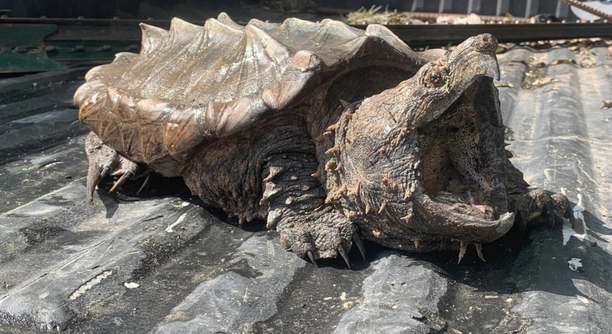
Alligator snapping turtles are fascinating creatures, and creating the perfect tank environment is essential for their health and happiness. One key element of this setup is the right plants. Plants help mimic a natural habitat for your turtle.
Adding the right plants to your alligator snapping turtle tank helps improve water quality, offer hiding spots, and provide an enriched environment. The best plants will be sturdy and able to withstand the turtle’s behavior while benefiting the ecosystem.
With the right plant choices, your turtle will feel more at home and thrive in its environment. Learn which plants can add beauty and balance to your tank.
1. Anubias Nana: The Tough and Resilient Plant
Anubias Nana is one of the best options for an alligator snapping turtle tank. This hardy plant can survive in various water conditions and doesn’t require intense light. Its thick, leathery leaves are tough enough to withstand the turtle’s behavior, such as nibbling or moving around the tank. It grows slowly, making it easy to maintain, and it thrives even in low light conditions, which is ideal for aquariums with minimal natural light.
This plant doesn’t need to be rooted in substrate, making it perfect for a turtle tank. Instead, you can attach it to rocks or driftwood.
Because of its hardiness and ability to thrive with minimal care, Anubias Nana makes an excellent addition to your turtle tank. It not only provides an attractive and natural aesthetic but also offers shelter and hiding places for your turtle, enhancing the overall environment. This plant can grow well in both high and low nutrient water, which is another bonus for turtle owners.
2. Java Fern: A Hardy and Versatile Option
Java Fern is another plant that can handle the challenges of a turtle tank.
It has thick, durable leaves that can survive the occasional nibble from your turtle. Java Fern is adaptable to various water types, making it easy to include in your tank setup. It doesn’t need soil and can grow when attached to surfaces like rocks or driftwood.
A great feature of Java Fern is its ability to grow in low light, making it ideal for a range of setups. It thrives in warm, stable water conditions, so it’s perfect for alligator snapping turtles. Plus, it’s resistant to algae, reducing the need for constant cleaning.
3. Amazon Sword: A Fast-Growing Favorite
Amazon Sword is a popular choice for a snapping turtle tank.
Its broad, vibrant green leaves provide both shelter and decoration. The plant thrives in nutrient-rich water and needs a bit of attention to flourish. You’ll want to ensure the water is consistently warm, but it can handle a range of conditions. With its large size, it offers plenty of hiding spaces for your turtle to explore.
This plant grows quickly and requires trimming every so often, but it’s worth the effort. Its roots anchor well into the substrate, adding stability to the environment. The leaves are sturdy enough to withstand some nibbling but will need extra care if your turtle is particularly active. With regular pruning, Amazon Sword adds a lush and dynamic look to your tank, while supporting water quality.
4. Hornwort: A Floating Delight
Hornwort is a great choice for a floating plant.
It grows quickly and doesn’t need to be anchored. Hornwort naturally absorbs excess nutrients in the water, helping maintain balance in the tank. It also offers plenty of places for your turtle to hide or rest.
This plant can be kept floating at the water’s surface or anchored to the substrate. It does a great job at providing oxygen to the water and helps prevent algae buildup by competing for nutrients. Hornwort is also known for its durability, resisting damage from snapping turtles. However, it may require occasional trimming as it can grow rapidly under the right conditions. With its ability to thrive in various temperatures and water conditions, Hornwort is both practical and visually pleasing for a turtle tank.
5. Water Wisteria: The Easy-to-Grow Option
Water Wisteria is a low-maintenance plant that thrives in a variety of water conditions.
It grows quickly, helping keep your tank clean by absorbing excess nutrients. This plant is also quite resilient, making it a good choice for tanks with active turtles. It can tolerate a wide range of water temperatures and light levels.
6. Marimo Moss Balls: A Simple, Effective Addition
Marimo Moss Balls are simple to add and effective at improving water quality.
These floating balls are easy to maintain, as they don’t require planting. They help absorb excess nutrients and can survive without direct sunlight. When placed in the tank, they provide a nice natural touch and help with water filtration.
7. Duckweed: A Floating Snack
Duckweed is a fast-growing, floating plant that your alligator snapping turtle will love.
It grows quickly and can cover the surface of your tank, providing shade and hiding spots for your turtle. It also serves as a natural food source, allowing your turtle to snack on it when needed.
FAQ
How do I choose the best plants for my alligator snapping turtle tank?
When selecting plants for your alligator snapping turtle tank, focus on durability and ease of maintenance. Choose plants that can withstand the turtle’s behavior, such as nibbling or moving things around. Look for plants that thrive in a range of water conditions, especially low light and fluctuating water temperatures. Some plants, like Anubias Nana and Java Fern, are hardy and can grow in low light, making them perfect for a turtle tank. Consider also the size of the plant—larger plants, like Amazon Sword, provide shelter and hiding spots for your turtle.
Can alligator snapping turtles eat live plants?
Yes, alligator snapping turtles can eat live plants. However, not all plants are equally appetizing to them. They may nibble on soft plants, but tougher ones, like Anubias Nana and Java Fern, are often left alone. It’s important to monitor their diet to ensure they’re not relying too much on plants for nutrition. Some plants may even help enrich their environment and provide natural food sources, like Duckweed. If your turtle is eating too many plants, it could be a sign it’s not getting enough of the proper protein or other foods.
What plants are best for low-light aquarium setups?
If your aquarium setup doesn’t get a lot of natural light, plants like Anubias Nana, Java Fern, and Hornwort are ideal. These plants can thrive in low light conditions, which makes them perfect for turtle tanks with minimal or no direct sunlight. Anubias Nana is particularly well-suited for low light and is very easy to care for. Java Fern also does well without intense light, making it a solid choice. Additionally, Hornwort can grow quickly in low-light conditions and provides oxygen for your tank.
Are there any plants that will help clean the water in a turtle tank?
Yes, certain plants can help keep the water clean by absorbing excess nutrients and providing filtration. Hornwort, Water Wisteria, and Marimo Moss Balls are all great options. Hornwort grows quickly, helping to absorb nutrients that would otherwise fuel algae growth. Water Wisteria is also excellent at absorbing excess nutrients, making it a natural water cleaner. Marimo Moss Balls act as natural filters, absorbing toxins and helping to maintain water quality. These plants will also contribute to the overall health of your tank ecosystem.
Can I use artificial plants in my turtle tank instead of live plants?
While artificial plants can add a decorative touch to your turtle tank, they don’t provide the same benefits as live plants. Live plants help maintain water quality, provide hiding spots, and contribute to the natural environment of your turtle. Artificial plants may look attractive but don’t offer these benefits. Additionally, live plants can offer your turtle a more stimulating and enriching environment. If you choose artificial plants, make sure they are made of safe, non-toxic materials to avoid harming your turtle.
How do I prevent my alligator snapping turtle from destroying plants in the tank?
Alligator snapping turtles can be rough on plants, so choosing more durable species is important. Plants with tough, leathery leaves, like Anubias Nana or Java Fern, are less likely to be eaten or destroyed. You can also plant them in areas where your turtle can’t easily access them, like attaching plants to rocks or driftwood. Keep in mind that some nibbling is normal, so ensure your turtle is still getting the right nutrition from other sources. You may need to replace softer plants occasionally if they get damaged.
How often should I trim plants in my turtle tank?
The frequency of trimming depends on the type of plant and its growth rate. Plants like Amazon Sword and Water Wisteria can grow quickly, so they may need to be trimmed every couple of weeks. Regular trimming is essential to keep the plants healthy and prevent them from taking over the tank. Removing dead or decaying leaves will also help maintain water quality. For slow-growing plants like Anubias Nana and Java Fern, trimming is less frequent but still important for overall health.
Can plants help with algae control in my turtle tank?
Yes, plants can help control algae growth by competing for nutrients. Plants like Hornwort and Water Wisteria grow quickly and absorb excess nutrients in the water, which would otherwise contribute to algae growth. The more plants you have in your tank, the less chance algae has to thrive. It’s important to balance the number of plants and the light exposure to avoid algae blooms. Keep an eye on the water quality and trim plants regularly to maintain a healthy balance.
What should I do if my plants are not growing well in the tank?
If your plants are not growing well, it could be due to factors like poor lighting, inadequate nutrients, or incorrect water conditions. Ensure your tank has proper light intensity for the plants you have. Some plants need more light, while others thrive in low light. Check the water’s temperature, pH, and nutrient levels to make sure they are within the optimal range for plant growth. Consider adding liquid plant fertilizers if the water is lacking essential nutrients. Regular maintenance and care will help your plants thrive.
Are there any plants that alligator snapping turtles should avoid?
Some plants are toxic or unsuitable for alligator snapping turtles. Avoid plants like water lettuce, which can be dangerous for turtles if ingested in large amounts. Additionally, some plants may have sharp edges or chemicals that can harm your turtle. Always research the plant species before adding them to the tank to ensure they are safe. Stick with hardy, well-known plants like Anubias Nana, Java Fern, and Amazon Sword that have a proven track record for being safe in turtle tanks.
Final Thoughts
Adding plants to your alligator snapping turtle tank is an excellent way to create a more natural and enriched environment. Plants not only enhance the look of the tank but also contribute to water quality by absorbing excess nutrients and providing hiding spots for your turtle. The right plants can reduce algae growth and help maintain a stable ecosystem within the tank. When choosing plants, it’s important to consider factors like durability, light requirements, and ease of care. Plants like Anubias Nana, Java Fern, and Amazon Sword are all great options due to their hardiness and ability to thrive in varying conditions.
It’s important to note that alligator snapping turtles can be rough on plants. Their active behavior may lead to occasional nibbling or uprooting of softer plants. To prevent damage, choose plants with tougher leaves, such as Anubias Nana or Java Fern, which are resistant to most nibbling. Additionally, consider the size and placement of plants in the tank. Larger plants can provide ample hiding spaces for your turtle, but smaller, floating plants like Hornwort or Duckweed can help with water filtration while offering more space in the tank. Regular maintenance, such as trimming plants and removing dead leaves, will also help keep the tank clean and the plants healthy.
In the end, the key to creating a successful plant setup in a turtle tank is balance. Choose plants that not only suit the needs of your alligator snapping turtle but also provide functional benefits like oxygenation, filtration, and shelter. You’ll also need to monitor the plants for signs of damage or overgrowth. With the right care, plants can thrive alongside your turtle and contribute to a stable, healthy aquatic environment. Whether you go with low-maintenance plants or add a few floating species, your turtle will enjoy the benefits of a well-planted tank.

Hello,
If you enjoy the content that we create, please consider saying a "Thank You!" by leaving a tip.
Every little bit helps us continue crafting quality advice that supports the health, happiness, and well-being of pets around the world, for pets of all shapes, sizes, and species.
We really appreciate the kindness and support that you show us!